 Preview
 Send
Send Share
Share
 Details

 Download
 Similars
 X-Ray
X-Ray Diaporama
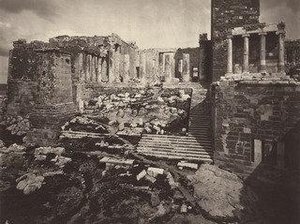
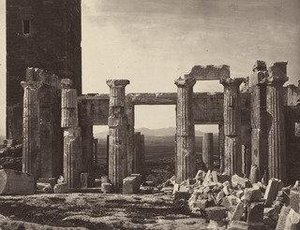
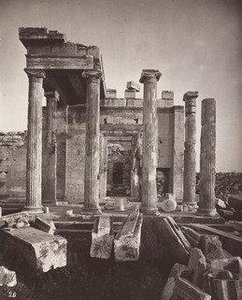
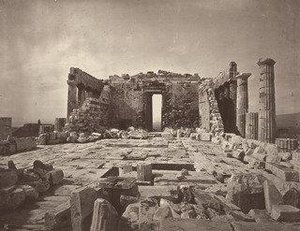
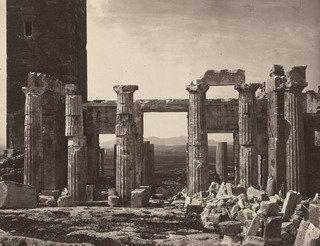
The Eastern Facade of the Propylaea
 1869
1869 18.0 x 24.0 cm
 Read More
Hand Made Oil Reproduction
Hand-painted oil on canvas in your size and frame, made to order by our artists. ( Buy Print Buy Image)




































Pick from our preset sizes that match the artwork's original proportions.

You may enter your own dimensions to fit a specific frame or space. If your selected size does not match the original image's proportions, we will either crop the artwork or extend the painting with additional hand-painted elements. A digital mockup will be sent for your approval before production begins.
Please note that the on-screen preview does not reflect the actual cropping or extension. Only the mockup will accurately show the final composition.
While custom sizes are available, we recommend selecting a dimension from the predefined list to preserve the original proportions.
After order, ArtsDot.com team will email client for instructions and provide a mockup preview
Worldwide Delivery () in 3/4 weeks instead of standard 5 weeks. (22 August). No compromise on quality.

Free Worldwide Express Shipping

High-Quality Linen Canvas

Full Shipping Insurance

Customs Tax Refund Guarantee

True Color Matching Guarantee

60-Day Return Policy (Defects Only)

100% Money-Back Guarantee

Bulk Discount Offer
 Glass option is only available in size under 110 CM

The Eastern Facade of the Propylaea
Reproduction Medium
Reproduction Size
-


Total Price
$ 263
Related Artworks








Artist Biography
A Life Interwoven with Art, Journalism, and Vision
William James Stillman, born in Schenectady, New York, in 1828, was a figure of remarkable versatility—a painter who became a pioneering photographer, a journalist embedded in the heart of political upheaval, and a diplomat navigating the complexities of international relations. His life wasn’t confined to a single discipline; rather, it was a dynamic interplay between artistic sensibility, intellectual curiosity, and a deep engagement with the world around him. Raised within the strict confines of a Seventh-day Baptist upbringing, Stillman's early exposure to religious thought instilled in him a profound sense of moral purpose that would permeate his later endeavors. His formal education at Union College provided a foundation for his diverse pursuits, but it was his subsequent artistic training under Frederic Edwin Church that initially set him on a path toward creative expression. However, this path soon diverged, leading him to England and an encounter with the Pre-Raphaelite movement—a pivotal moment that would indelibly shape his aesthetic vision.The Embrace of Pre-Raphaelitism and Early Artistic Explorations
England in the 1850s proved transformative for Stillman. Immersed in the artistic ferment surrounding figures like John Ruskin, J.M.W. Turner, Dante Gabriel Rossetti, and John Everett Millais, he became known as the “American Pre-Raphaelite.” This wasn’t merely a stylistic adoption; it was an embrace of the movement's core tenets—a rejection of academic convention in favor of meticulous detail, vibrant color, and a return to the perceived purity of art before Raphael. Stillman’s early paintings reflect this influence, demonstrating a commitment to naturalism and a romantic sensibility. Yet, even as he explored painting, his interests were broadening. A seemingly improbable assignment from Lajos Kossuth in 1852—described by some as a “fool's errand” to Hungary—marked the beginning of his journalistic career. This foray into reportage ignited a passion for witnessing and documenting events firsthand, a skill that would define much of his subsequent life. He briefly studied art further in Paris under Yvon before returning to the United States and establishing *The Crayon*, one of America’s first art magazines, which attracted contributions from prominent literary figures like Henry Wadsworth Longfellow and Charles Eliot Norton.Diplomacy, Conflict, and a Pioneer's Lens
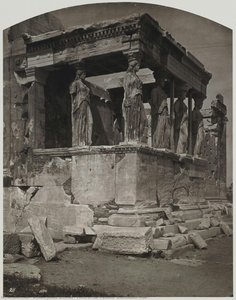
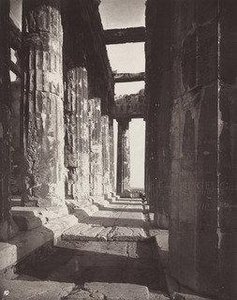
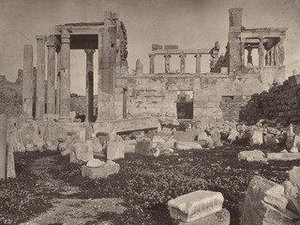
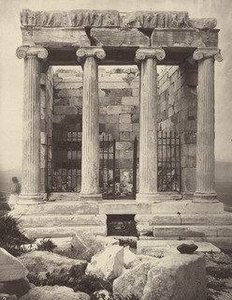
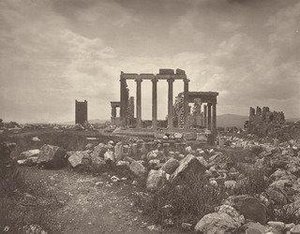
Stillman’s life took another unexpected turn with his appointment as United States Consul in Rome in 1861. This diplomatic posting provided him access to the rich artistic heritage of Italy, but it was short-lived; he resigned following a disagreement with his government. His subsequent assignment to Crete during the Cretan insurrections proved far more challenging and deeply impactful. He became an outspoken advocate for Christian rights and Cretan independence, placing himself in direct opposition to both Muslim populations and Turkish authorities. This period solidified his role as not just an observer but an active participant in the political landscape. It was also during this time that Stillman began to seriously explore photography, recognizing its potential as a tool for documentation and artistic expression. He pioneered art photography, particularly through his meticulous documentation of the Athenian Acropolis. His series of photographs, first published privately in 1870 and rephotographed in 1882 with the assistance of John Henry Haynes, were remarkable for their artistic sensibility and technical skill—a testament to his Ruskinian ideals, scientific perspective, and deep appreciation for Greek landscape and ancient ruins.A Multifaceted Legacy: Words, Images, and Mentorship
In later life, Stillman continued to blend his diverse interests. He served as editor of *Scribner's Magazine* and as a correspondent for *The Times*, reporting from Athens and Rome for extended periods. His literary output was prolific, encompassing books on the Cretan insurrection, photography, Ulysses’ journey, and Italian history—including biographies of figures like Francesco Crispi. Though he often considered himself primarily a writer, his photographic work remains arguably his most enduring legacy. He trained the young Arthur Evans, who would become a renowned archaeologist famed for his excavations at Knossos, forging a lifelong friendship and mentorship that profoundly influenced Evans’ career. Stillman's ability to seamlessly integrate artistic vision with journalistic observation and diplomatic service was unique. He died in Frimley Green, England, in 1901, leaving behind a body of work that reflects the breadth of his intellectual curiosity and unwavering commitment to documenting the world around him. His photographs are celebrated for their aesthetic quality and modern perspective, while his writings offer invaluable insights into the political and cultural landscape of the 19th century. He stands as a testament to the power of interdisciplinary exploration and the enduring impact of a life lived with passion and purpose.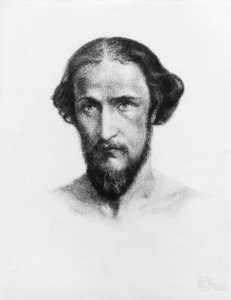
William James Stillman
1828 - 1901 , United States of America
Quick Facts
- Artistic Movement Or Style: Pre-Raphaelite
- Artists Or Movements Influenced By This Artist: ['Arthur Evans']
- Artists Who Influenced This Artist:
- Ruskin
- Turner
- Rossetti
- Millais
- Date Of Birth: 1828
- Date Of Death: 1901
- Full Name: William James Stillman
- Nationality: American
- Notable Artworks:
- Porch of the Maidens
- Western Facade Parthenon
- Interior Parthenon Gate
- Place Of Birth: Schenectady, USA