

 Preview
 Send
Send Share
Share
 Details

 Download
 Similars
 X-Ray
X-Ray Diaporama
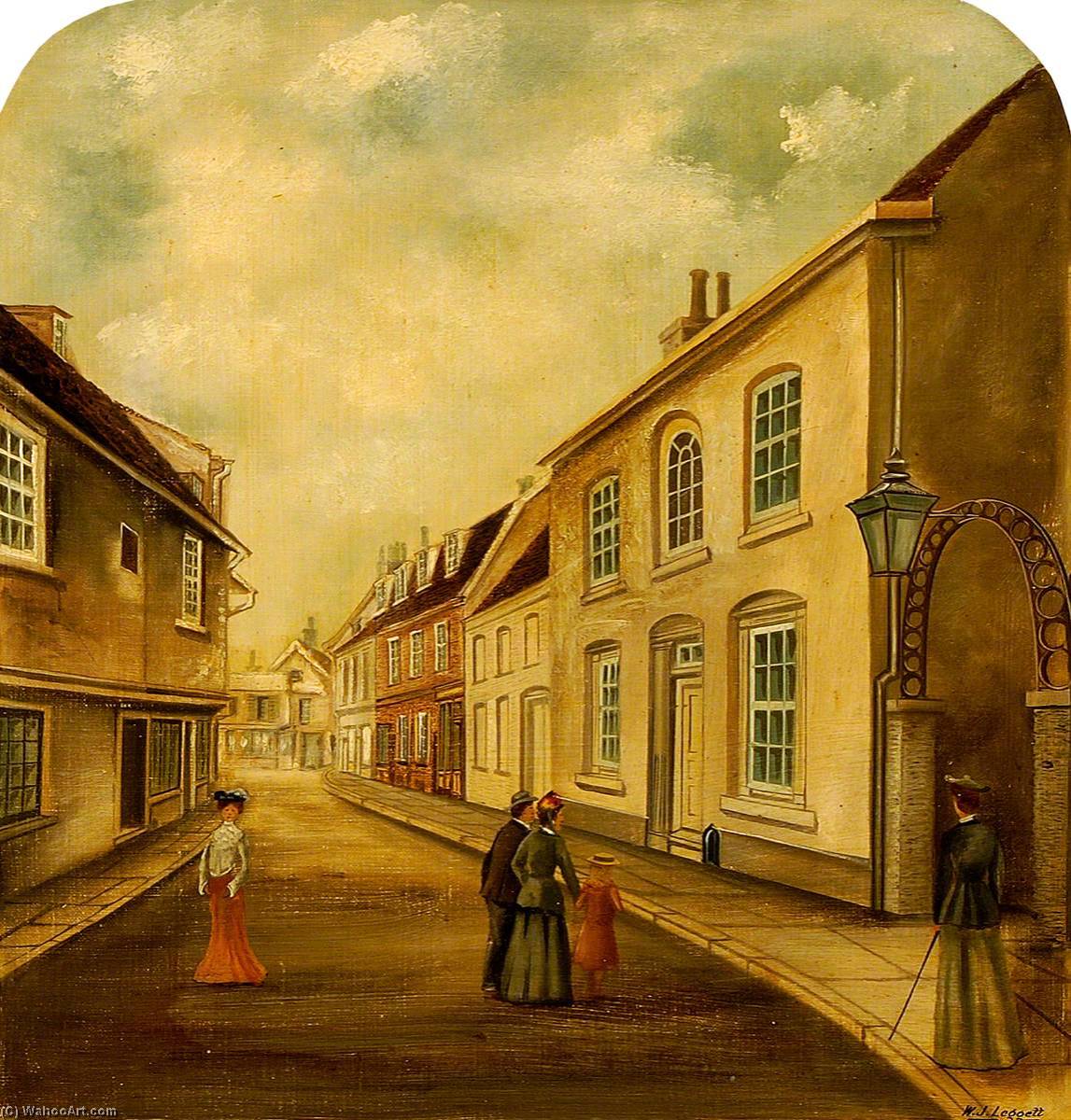
St Nicholas' Street, Ipswich
 54.0 x 51.0 cm
 Read More
Purchase a high-resolution, enhanced digital image, far superior to the online preview.
Each file is meticulously prepared by our in-house specialists using advanced tools and expert manual retouching. We ensure every image has exceptional clarity, precise color accuracy, and fine detail.
The final file is delivered via email within 72 hours, optimized for immediate use in professional, editorial, and print environments. This is the same quality trusted by top-tier design studios, publishers, and galleries.
Digital Image
Download a high-resolution file for personal display, printing, and creative projects. ( Buy Print Buy Hand Made Painting)
Included in Every Digital Image Order
Expert Digital Delivery, Guaranteed
When you choose ArtsDot.com, you're not just getting an image - you're receiving a professionally enhanced digital artwork, crafted with precision and backed by a satisfaction guarantee. Here's everything that comes with your order, automatically:

Fast Email Delivery
Your high-resolution digital image file will be emailed to you within 72 hours of ordering - ready for immediate use.

AI-Enhanced Digital File
Your artwork is professionally optimized using advanced AI tools and manual editing, ensuring maximum detail, clarity, and color accuracy.

Free Lifetime Re-Delivery
Accidentally deleted or lost your file? No worries - we'll resend it to you anytime, free of charge.

No Import Fees - Ever
Enjoy your artwork instantly with zero customs, duties, or delivery fees - digital downloads are always tax-free.

Color Accuracy Guarantee
We ensure your digital image reflects the original colors as closely as possible using professional tools and color management.

60-Day Satisfaction Guarantee
If you're not satisfied with your digital image, we'll revise it or refund 100% within 60 days - no questions asked.

100% Money-Back Guarantee
Not satisfied? Get a full refund within 60 days of receiving your digital file - no questions asked.

Bulk Order Discounts
Buy 3 images, save 10% - Buy 5, save 15% - Buy 10+, save 20%. Great for creative projects, galleries, and agencies.
Related Artworks
Artist Biography
William John Leggett: A Suffolk Streetscape in Oil
The Ipswich artist William John Leggett (1856-1936) wasn’t a name widely celebrated during his lifetime, yet his meticulous paintings of Victorian Suffolk offer an invaluable window into the daily life and architectural details of a rapidly changing England. More than just topographical records, Leggett's works—particularly his street scenes—capture a specific mood, a sense of quiet observation mingled with a keen eye for detail and a subtle understanding of light and shadow. He wasn’t striving for grand romanticism; instead, he presented the familiar rhythms of Ipswich life – the bustle of market days, the shadows lengthening on cobbled streets, the weathered faces of its inhabitants – with remarkable precision and understated charm.
Born in 1856 into a family of modest means, Leggett’s early life was shaped by the industrial landscape of Ipswich. His father worked as a maltster, and young William began his working life as a foundry labourer. However, he possessed an innate artistic sensibility, nurtured perhaps by his parents' involvement in local literary circles. He transitioned into decorative painting, eventually establishing himself as a respected artist known for his ability to render the nuances of urban environments with remarkable accuracy. His career unfolded largely within Ipswich, and it was here that he developed his signature style – detailed, realistic depictions of everyday scenes, often imbued with a melancholic beauty.
Leggett’s artistic development can be traced through his prolific output during the late 19th and early 20th centuries. He wasn't formally trained in the traditional sense; he was largely self-taught, honing his skills through diligent observation and practice. His technique is characterized by a meticulous approach to rendering surfaces – the rough texture of brickwork, the sheen of polished metal, the folds of clothing. He employed a limited palette, favoring muted earth tones and subtle gradations of color, creating a sense of atmospheric depth and realism. A key influence on his work was likely the rise of Realism in art, which emphasized depicting subjects truthfully and without idealization. However, Leggett’s style transcends mere imitation; he imbued his scenes with a distinct emotional resonance.
Key Works and Locations
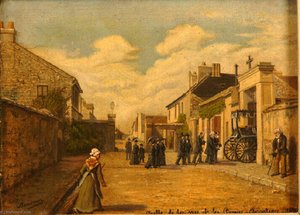
Leggett's most celebrated works depict street scenes within Ipswich, offering a remarkably detailed record of the town’s Victorian architecture and social life. “Corner, Brook Street, Old Buttermarket, Ipswich” (1906) is perhaps his most iconic painting – a vibrant snapshot of a bustling market day, complete with vendors, shoppers, and the distinctive signage of ‘Wonders of Lyon’. The inclusion of this foreign advertisement speaks volumes about Ipswich’s place within the wider British economy. “Dog's Head Street, Suffolk” (circa 1890) captures a quieter moment, showcasing the town’s historic buildings and the everyday routines of its residents. “Upper Orwell Street Shops, Ipswich” (circa 1900) provides an intimate view of the local commerce, with details like the shop fronts and the figures engaged in business transactions.
These paintings aren't simply records of physical locations; they are imbued with a sense of place. Leggett’s meticulous attention to detail—the arrangement of goods on stalls, the expressions on people’s faces, the play of light and shadow—transport the viewer back in time, offering a tangible connection to Ipswich’s Victorian past. The “Wonders of Lyon” sign, for example, is not just a commercial element; it's a symbol of global trade and the town’s role within the larger world.
The Suffolk Record
What distinguishes Leggett’s work from that of many other Victorian artists is his dedication to documenting local history. His paintings are essentially visual diaries, capturing the essence of Ipswich life at a specific moment in time. He wasn't interested in grand historical narratives; instead, he focused on the small details—the architecture, the trades, the social interactions—that collectively shaped the town’s identity. The Ipswich Museum holds several examples of his work, and they are now recognized as invaluable resources for historians and researchers seeking to understand the town’s past.
His paintings offer a unique perspective on the lives of ordinary people – shopkeepers, laborers, merchants, and housewives—who formed the backbone of Ipswich society. They provide insights into their daily routines, their social customs, and their economic activities. Leggett's work is therefore not just an artistic achievement; it’s also a crucial historical document.
Legacy and Influence
While Leggett didn't achieve widespread fame during his lifetime, his paintings have gained increasing recognition in recent years as valuable contributions to the history of Ipswich art. His meticulous realism and keen observation are particularly noteworthy, and his works offer a unique perspective on Victorian life. His legacy lies not only in his artistic skill but also in his dedication to documenting local history.
Today, Leggett’s paintings can be found in public collections and private hands, and they continue to inspire artists and historians alike. They serve as a reminder of the importance of preserving our cultural heritage and celebrating the everyday lives of those who came before us. His work stands as a testament to the power of art to capture not just images but also memories, emotions, and the spirit of a place.
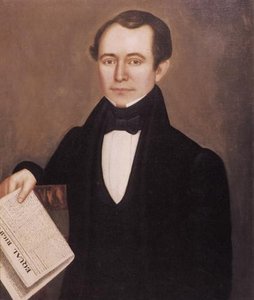
william john leggett
1856 - 1936
Quick Facts
- Artistic Movement Or Style: Street scenes
- Artists Or Movements Influenced By This Artist: ['']
- Artists Who Influenced This Artist: ['']
- Date Of Birth: 1856
- Date Of Death: 1936
- Full Name: William John Leggett
- Nationality: British
- Notable Artworks:
- Corner, Brook Street
- Dog's Head Street
- Upper Orwell Street Shops
- Place Of Birth: Ipswich, England

