 Preview
 Send
Send Share
Share
 Details

 Download
 Similars
 X-Ray
X-Ray Diaporama
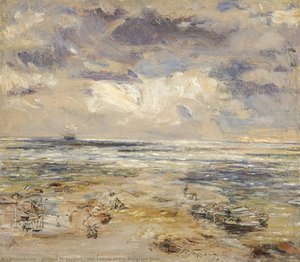
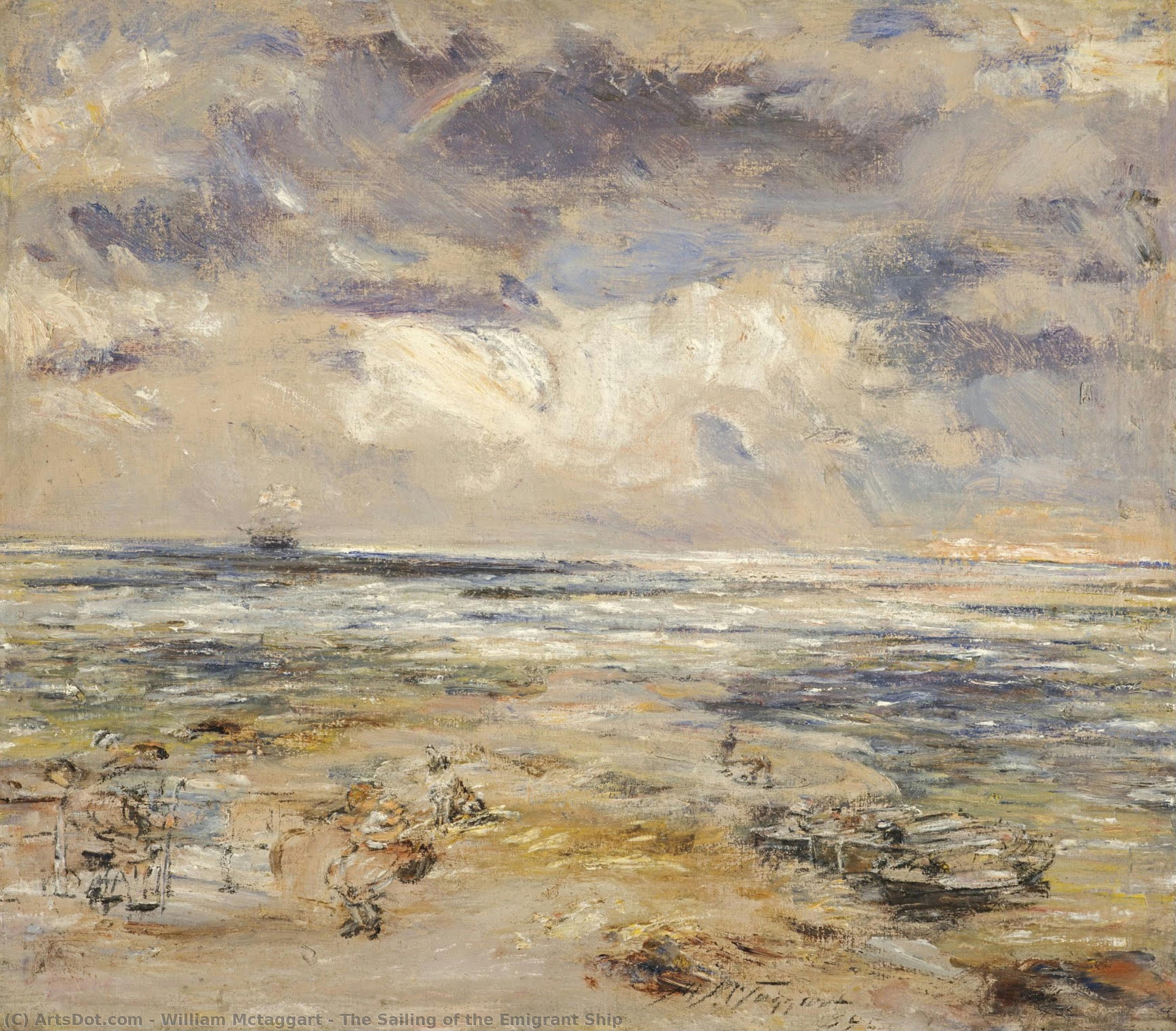
The Sailing of the Emigrant Ship


 Read More
Hand Made Oil Reproduction
Hand-painted oil on canvas in your size and frame, made to order by our artists. ( Buy Print Buy Image)




P118B $10

P118H $10

P118W $10

P438Z $10

P508JH $12

P508YH $12

P805H $10

P805Z $10

P919BZ $10

P919G $10

P919XJ $10

P959ZH $10

P968JZ $12

W106C $8

W218G $10

W218JH $8

W218Y $10

W307PJ $10

W316G $10

W316PJ $8

W316Y $10

W398PJ $8

W4111J $10

W500HY $15

W500JH $15

W692G $12

W849H $8

W940BG $15

W953PJ $8




Pick from our preset sizes that match the artwork's original proportions.

You may enter your own dimensions to fit a specific frame or space. If your selected size does not match the original image's proportions, we will either crop the artwork or extend the painting with additional hand-painted elements. A digital mockup will be sent for your approval before production begins.
Please note that the on-screen preview does not reflect the actual cropping or extension. Only the mockup will accurately show the final composition.
While custom sizes are available, we recommend selecting a dimension from the predefined list to preserve the original proportions.
After order, ArtsDot.com team will email client for instructions and provide a mockup preview
Worldwide Delivery () in 3/4 weeks instead of standard 5 weeks. (17 August). No compromise on quality.

Free Worldwide Express Shipping

High-Quality Linen Canvas

Full Shipping Insurance

Customs Tax Refund Guarantee

True Color Matching Guarantee

60-Day Return Policy (Defects Only)

100% Money-Back Guarantee

Bulk Discount Offer
 Glass option is only available in size under 110 CM

The Sailing of the Emigrant Ship
Reproduction Medium
Reproduction Size
-


Total Price
$ 263
Artwork Description
William McTaggart’s “The Sailing of the Emigrant Ship” – A Symphony of Light and Loss
William McTaggart (1835-1910) stands as a pivotal figure in late 19th century Scottish art, a painter who masterfully navigated the evolving currents of Impressionism while retaining a deeply rooted connection to his native landscape. Born on the windswept Kintyre Peninsula in Scotland – a region sculpted by the relentless Atlantic – McTaggart’s work is more than mere depiction; it's an intimate exploration of light, atmosphere, and the profound relationship between humanity and nature. His legacy lies not just in the beauty of his paintings but also in his courageous attempt to synthesize observation with feeling, a pursuit that defined much of his artistic journey.
“The Sailing of the Emigrant Ship,” painted in 1895, exemplifies this ethos perfectly. Executed in oil on canvas, McTaggart’s masterpiece captures a moment suspended between hope and despair—the anticipation of departure mingled with the palpable melancholy of leaving familiar shores. The painting isn't simply a record of a seascape; it’s an emotional landscape rendered in meticulous detail.
- Composition & Technique: McTaggart employs a pyramidal composition, drawing the viewer’s eye upwards towards the turbulent sky dominated by brooding grey clouds. His brushstrokes are loose and expressive, prioritizing tonal variation over precise representation. He achieves remarkable luminosity through layering glazes of color—primarily blues and greens—creating an ethereal quality that imbues the scene with a sense of drama.
- Historical Context: Painted during the height of Impressionism’s influence, “The Sailing of the Emigrant Ship” reflects the artistic preoccupation with capturing fleeting moments of sensory experience. However, McTaggart transcends mere stylistic imitation; he invests his work with a deeper resonance rooted in Scotland's history of emigration and hardship.
- Symbolism & Emotion: The turbulent sea symbolizes uncertainty and upheaval—the anxieties inherent in embarking on a perilous journey toward an unknown future. Yet, amidst the gloom, McTaggart introduces pockets of warmth and color—primarily reflected in the water’s surface—suggesting resilience and the enduring beauty of nature. These subtle contrasts underscore the painting's poignant exploration of human vulnerability against the backdrop of grand natural forces.
- Color Palette: McTaggart’s masterful use of color is central to conveying the emotional core of the piece. Dominant shades of grey and blue evoke feelings of sadness and isolation, mirroring the hardships faced by emigrants traversing the ocean. However, splashes of emerald green and pale yellow offer glimpses of hope and vitality—a reminder that even in darkest times, beauty persists.
- Influence & Legacy: McTaggart’s “The Sailing of the Emigrant Ship” stands as a testament to Impressionism's ability to communicate profound emotional truths. It continues to inspire artists today with its evocative depiction of light and atmosphere—a timeless meditation on human experience and the enduring power of landscape art.
Duncan Phyfe & Co., renowned for their elegant Neoclassical & Empire style furniture, recognized McTaggart’s artistic vision as a cornerstone of American cultural heritage. The painting's serene beauty contrasts sharply with the grim realities faced by those undertaking perilous voyages across the Atlantic—a poignant reminder of both artistic brilliance and human resilience.
Further research into William McTaggart reveals his unwavering dedication to capturing the essence of Scottish landscape, mirroring the Romantic movement’s fascination with sublime vistas. His meticulous observation combined with expressive brushwork cemented his place as a pioneer of Impressionistic technique—a legacy that resonates powerfully within contemporary art discourse.
The painting's enduring appeal lies in its ability to evoke empathy and contemplation—encouraging viewers to consider the emotional complexities inherent in confronting adversity while appreciating the sublime grandeur of nature. It serves as an exemplar of how art can transcend mere visual representation, communicating profound psychological insights through subtle tonal variations and evocative color palettes.
“The Sailing of the Emigrant Ship” – a captivating artwork that embodies McTaggart’s artistic philosophy and continues to inspire admiration for its masterful execution and poignant emotional depth.
Related Artworks
Artist Biography
William McTaggart: Bridging the Divide Between Landscape and Soul
William McTaggart (1835-1910) stands as a pivotal figure in late 19th and early 20th century Scottish art, a painter who masterfully navigated the evolving currents of Impressionism while retaining a deeply rooted connection to his native landscape. Born on the windswept Kintyre Peninsula in Scotland – a region sculpted by the relentless Atlantic – McTaggart’s work is more than mere depiction; it's an intimate exploration of light, atmosphere, and the profound relationship between humanity and nature. His legacy lies not just in the beauty of his paintings but also in his courageous attempt to synthesize observation with feeling, a pursuit that defined much of his artistic journey.
McTaggart’s early life was shaped by the stark realities of rural existence. He was born into a crofter family – farmers who cultivated small plots of land – and witnessed firsthand the dramatic shifts in weather and light across the rugged coastline. This formative experience instilled within him an acute sensitivity to the natural world, a quality that would later permeate his art. Initially drawn to portraiture, influenced by the guidance of Daniel MacNee in Edinburgh, McTaggart’s focus gradually shifted towards capturing the essence of the Scottish landscape. He moved away from purely representational approaches, embracing the Impressionist technique of *plein air* painting – working directly outdoors to capture fleeting moments of light and color.
His artistic development was inextricably linked to his personal life. The loss of his wife, Marjory, in 1884 profoundly impacted McTaggart’s work, leading him towards a more introspective style. Following her death, he relocated to Lasswade near Edinburgh, where he found solace and inspiration in the rolling hills of the Moorfoot Hills. This period marked a significant shift in his artistic focus, with an increased emphasis on capturing the subtle nuances of light and color across these familiar landscapes. His paintings during this time are characterized by a remarkable sense of atmosphere – a feeling of stillness and contemplation that invites the viewer to lose themselves within the scene.
McTaggart’s technique was both disciplined and intuitively expressive. He meticulously observed the effects of light on water, capturing its shimmering reflections and transient moods with remarkable skill. His brushwork is loose yet controlled, conveying a sense of movement and immediacy. He employed a vibrant palette, often utilizing complementary colors to heighten the intensity of his scenes. While undeniably influenced by Impressionism – particularly the work of Constable and Turner – McTaggart never fully embraced its detached objectivity. Instead, he infused his landscapes with an emotional depth that distinguished him from many of his contemporaries. His paintings aren’t simply representations of places; they are expressions of a deeply felt connection to the natural world.
Beyond his technical mastery, McTaggart's work holds significant historical importance. He was one of the first Scottish artists to fully embrace Impressionism, adapting it to the unique character of the Scottish landscape. His paintings helped to establish a distinctly Scottish voice within the broader European art movement. His dedication to capturing the ephemeral qualities of light and atmosphere paved the way for future generations of Scottish landscape painters. Today, William McTaggart’s work continues to resonate with viewers, offering a poignant reminder of the enduring beauty and power of the natural world.
Key Works & Artistic Style
- The Past and The Present (1860): This early work exemplifies McTaggart’s interest in depicting childhood innocence, reflecting influences from Pre-Raphaelite painters. It showcases his developing skill in capturing light and color with a delicate touch.
- Seascape at Campbeltown (c. 1870): A prime example of McTaggart’s mastery of depicting the rugged coastline of Kintyre, demonstrating his ability to capture the drama of the sea and sky with a bold use of color and brushwork.
- Harvest Field, Carnoustie (c. 1880): This painting exemplifies McTaggart’s later style, characterized by a heightened sense of atmosphere and emotional depth. The muted colors and loose brushstrokes create a feeling of quiet contemplation.
- End of the Links (1907): A stunning depiction of the coastline near Campbeltown, showcasing McTaggart’s ability to capture the subtle nuances of light and color on water and sand.
Influences & Artistic Connections
McTaggart's artistic journey was shaped by a diverse range of influences. His early exposure to portraiture under Daniel MacNee instilled in him a strong sense of observation and technical skill. The Impressionist painters, particularly Constable and Turner, provided him with a framework for capturing the fleeting effects of light and color. He also drew inspiration from Scottish landscape painters such as George Washington Henderson, whose work explored similar themes of rural life and the natural world.
His connection to the Royal Academy was significant, allowing him access to exhibitions and opportunities for professional development. However, McTaggart’s artistic vision extended beyond the confines of academic tradition. He sought to create a uniquely Scottish style – one that captured the spirit of his homeland with honesty and emotional depth.
Legacy & Historical Significance
William McTaggart's contribution to Scottish art is undeniable. He was a pioneer in adapting Impressionism to the specific characteristics of the Scottish landscape, establishing a distinctively Scottish voice within the broader European art movement. His paintings are celebrated for their atmospheric qualities, emotional depth, and technical mastery.
Beyond his artistic achievements, McTaggart’s work offers valuable insights into the relationship between humanity and nature. His paintings invite viewers to contemplate the beauty of the natural world and our place within it. He remains a beloved figure in Scottish art history, admired for his skill, sensitivity, and unwavering commitment to capturing the essence of the Scottish landscape.
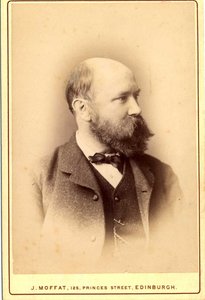
William McTaggart
1835 - 1910 , United Kingdom
Quick Facts
- Artistic Movement Or Style: Impressionism
- Artists Or Movements Influenced By This Artist: ['Scottish Impressionists']
- Artists Who Influenced This Artist:
- Constable
- Turner
- Date Of Birth: Oct 25, 1835
- Date Of Death: Apr 2, 1910
- Full Name: William McTaggart
- Nationality: Scottish
- Notable Artworks:
- The Past and The Present
- End of the Links
- Harvest Field, Carnoustie
- Place Of Birth: Kintyre Peninsula, UK
Related Articles

Shipping & Returns
APS delivers expert worldwide art shipping with museum-grade care, full tracking, and a 30-day money-back guarantee. From customs support to Priority Production, trust transparent service, secure packaging, and reliable delivery for collectors, designers, and galleries.

Beyond the Horizon: 10 Landscape Masterpieces for Your Home Decor
Journey through 10 breathtaking landscape paintings by Monet, Van Gogh & more! Explore iconic artworks, artistic techniques & find inspiration for your home decor. Museum-quality reproductions at ArtsDot.com. Discover all masterpieces on ArtsDot.com

Evocations of Place: A Historical Journey Through Landscape Art
Explore the rich history of landscape art with ArtsDot. Discover renowned artists, movements like Impressionism & Romanticism, and expert guidance for collecting timeless pieces. Find your perfect serene escape today!
Evocations of Place: A Historical Journey Through Landscape Art
Explore the rich history of landscape art with ArtsDot. Discover renowned artists, movements like Impressionism & tonalism, and expert guidance for collecting timeless pieces. Find your perfect serene escape today!

Cézanne's Masterpieces: 25 Iconic Artworks to Transform Your Space
Journey through 25 iconic artworks by Paul Cézanne – a master of Impressionism and Post-Impressionism. Explore his landscapes, still lifes, and the stories behind these timeless masterpieces. Discover museum-quality reproductions & curated decor at ArtsDot.com.