

 Preview
 Send
Send Share
Share
 Details

 Download
 Similars
 X-Ray
X-Ray Diaporama
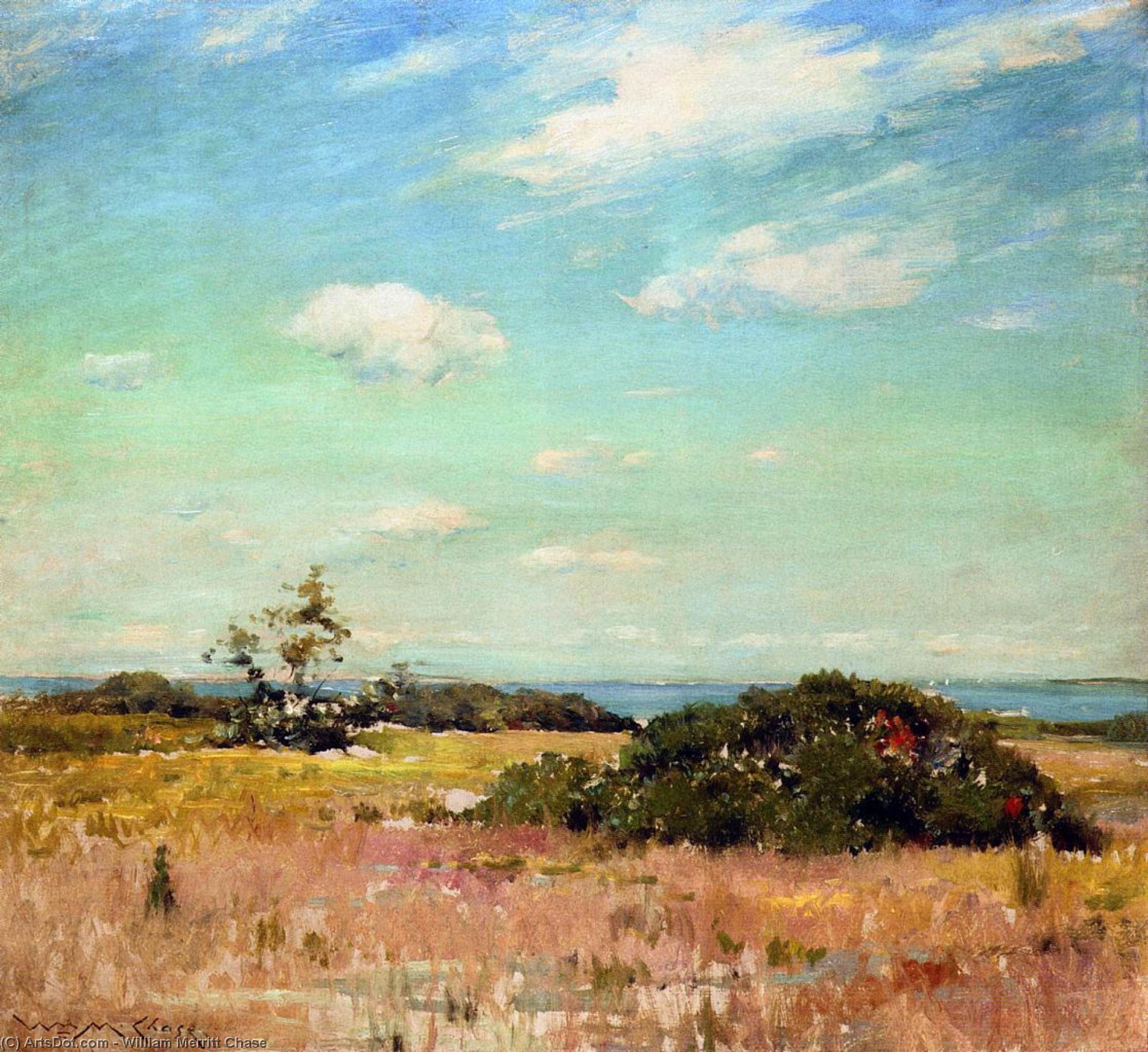
Shinnecock Hills, Long Island
 Oil On Canvas
- WallArt
- American Impressionism
 19th Century
 73.0 x 80.0 cm
 Read More
Purchase a high-resolution, enhanced digital image, far superior to the online preview.
Each file is meticulously prepared by our in-house specialists using advanced tools and expert manual retouching. We ensure every image has exceptional clarity, precise color accuracy, and fine detail.
The final file is delivered via email within 72 hours, optimized for immediate use in professional, editorial, and print environments. This is the same quality trusted by top-tier design studios, publishers, and galleries.
Digital Image
Download a high-resolution file for personal display, printing, and creative projects. ( Buy Print Buy Hand Made Painting)
Included in Every Digital Image Order
Expert Digital Delivery, Guaranteed
When you choose ArtsDot.com, you're not just getting an image - you're receiving a professionally enhanced digital artwork, crafted with precision and backed by a satisfaction guarantee. Here's everything that comes with your order, automatically:

Fast Email Delivery
Your high-resolution digital image file will be emailed to you within 72 hours of ordering - ready for immediate use.

AI-Enhanced Digital File
Your artwork is professionally optimized using advanced AI tools and manual editing, ensuring maximum detail, clarity, and color accuracy.

Free Lifetime Re-Delivery
Accidentally deleted or lost your file? No worries - we'll resend it to you anytime, free of charge.

No Import Fees - Ever
Enjoy your artwork instantly with zero customs, duties, or delivery fees - digital downloads are always tax-free.

Color Accuracy Guarantee
We ensure your digital image reflects the original colors as closely as possible using professional tools and color management.

60-Day Satisfaction Guarantee
If you're not satisfied with your digital image, we'll revise it or refund 100% within 60 days - no questions asked.

100% Money-Back Guarantee
Not satisfied? Get a full refund within 60 days of receiving your digital file - no questions asked.

Bulk Order Discounts
Buy 3 images, save 10% - Buy 5, save 15% - Buy 10+, save 20%. Great for creative projects, galleries, and agencies.
Collectible Description
A Symphony of Light on Shinnecock Hills
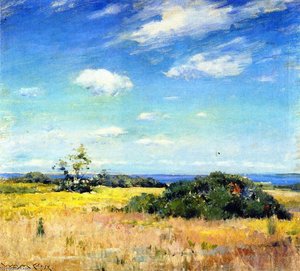
To gaze upon William Merritt Chase's depiction of Shinnecock Hills, Long Island, is to step directly into a moment suspended in time—a breath drawn from the heart of late nineteenth-century American leisure. This painting is not merely a record of a landscape; it is an evocation of light itself. The artist, a master chronicler of modern life and natural splendor, has captured that ephemeral quality of sunlight filtering across a serene countryside. One can almost feel the gentle breeze rustling through the foreground trees and hear the distant lapping of water against the shore. It speaks to a profound sense of tranquility, making it an immediate focal point for any space seeking an infusion of pastoral calm.
The Mastery of American Impressionism
Chase’s adherence to Impressionist principles is evident in every visible brushstroke. This style, which sought to capture the fleeting visual sensation rather than rigid detail, allows the viewer's eye to wander and complete the picture. The interplay between the vibrant blue expanse of the sky and the varied greens of the field creates a dazzling luminosity characteristic of Chase’s finest work. Notice how the artist handles the body of water in the background; it reflects not just the sky above, but also the subtle shifts in light that define the atmosphere. This technical brilliance transforms what might be a simple view into a complex study of color theory and atmospheric depth.
Narrative Elements and Human Connection
What elevates this piece beyond mere landscape painting are the scattered figures within the scene. These people, positioned near the water's edge and further afield among the foliage, introduce a subtle narrative layer. They suggest community, repose, and the shared pleasure of nature’s bounty. Coupled with the delicate presence of the two visible birds—one high in the corner, another grounded near the bottom right—the painting feels alive, populated by unseen moments of joy. These human touches ground the grand sweep of the landscape, inviting contemplation on the relationship between humanity and the enduring beauty of the natural world.
Bringing Coastal Serenity Home
For collectors and designers alike, this reproduction offers an unparalleled opportunity to incorporate a piece steeped in American artistic history. The combination of Chase’s celebrated technique with the timeless subject matter of Long Island's coast makes it versatile enough for grand living rooms or intimate sunlit studies. Owning this work is acquiring more than just art; it is curating a mood—a perpetual sense of peaceful escape. It serves as a visual anchor, reminding us to pause, breathe deeply, and appreciate the luminous poetry found in the everyday American landscape.
Related Artworks

Artist Biography
A Life Painted in Light: The World of William Merritt Chase
William Merritt Chase, a name synonymous with the blossoming of American Impressionism, was more than just a painter; he was a pivotal force in shaping the nation’s artistic identity at the turn of the 20th century. Born on November 1, 1849, in the humble surroundings of Williamsburg (later Nineveh), Indiana, Chase's journey from rural beginnings to becoming a celebrated artist and influential educator is a testament to his unwavering dedication and innate talent. His early life was marked by a familial relocation to Indianapolis in 1861, where he initially assisted in his father’s business ventures. However, even amidst these practical obligations, the seeds of artistic passion were sown, nurtured by studies with local instructors Barton S. Hays and Jacob Cox. This foundational training ignited a desire for further exploration, leading him briefly into naval service before ultimately gravitating towards the vibrant art scene of New York City in 1869. There, under the tutelage of Joseph Oriel Eaton at the National Academy of Design, and later Lemuell Wilmarth, a student of Jean-Léon Gérôme, Chase began to hone his skills, laying the groundwork for a career that would redefine American painting. A temporary financial setback forced a move to Saint Louis in 1870, but even this challenge proved fruitful, allowing him to establish himself within the local art community and gain recognition for his burgeoning talent.From Academic Roots to Impressionistic Brilliance
Chase’s artistic development was not a sudden leap into Impressionism, but rather a gradual evolution informed by rigorous academic training and extensive travels abroad. A crucial turning point came with his extended sojourn in Munich beginning in 1872, where he studied at the Academy of Fine Arts under Alexander von Wagner and Karl von Piloty. This period instilled in him a mastery of traditional techniques and a penchant for dramatic compositions, yet it was during a subsequent visit to Venice with fellow American artists Frank Duveneck and John Twachtman that Chase began to embrace a more liberated approach to painting. Inspired by the luminous light and vibrant colors of the Italian landscape, he started experimenting with looser brushwork and a heightened sensitivity to atmospheric effects. Upon his return to New York in 1878, Chase fully embraced Impressionistic principles, capturing fleeting moments of modern life with an energetic and captivating style. Works like Keying Up – The Court Jester (1876), exhibited to critical acclaim at the Boston Art Club and Philadelphia Centennial Exposition, showcased his ability to convey movement and personality through bold brushstrokes and a dynamic composition. He continued to explore diverse subjects—striking portraits such as Portrait of Virginia Gerson, evocative landscapes like Gowanus Bay (aka Misty Day, Gowanus Bay), and scenes depicting the vibrancy of urban life, including Alice Fernandez. Other notable works include “A Friendly Call,” “A Study in Curves,” and “Terrace at the Mall, Central Park.”The Educator: Shaping a Generation of Artists
Beyond his accomplishments as a painter, William Merritt Chase left an indelible mark on American art through his dedication to teaching. Recognizing the need for innovative art education, he founded the Chase School in New York City in 1896, which later evolved into Parsons The New School for Design. This institution became a breeding ground for artistic talent, emphasizing direct observation, technical proficiency, and creative experimentation. Unlike many of his contemporaries who favored rigid academic instruction, Chase encouraged his students to develop their individual voices and explore diverse styles. He held teaching positions at the Pennsylvania Academy of the Fine Arts, the Art Students League, and the Brooklyn Art Association, disseminating his artistic philosophy far and wide. His influence extended to numerous artists, including Wayman Elbridge Adams, who openly acknowledged Chase as a mentor. The emphasis on plein air painting—painting outdoors directly from nature—became a cornerstone of his pedagogical approach, fostering a deeper connection between students and their subjects.Legacy and Historical Significance
William Merritt Chase’s place in American art history is secure. He bridged the gap between established academic traditions and the burgeoning Impressionist movement, contributing significantly to the development of a distinctly American artistic identity. His commitment to capturing the essence of modern life—the bustling cityscapes, intimate domestic interiors, and leisurely pursuits of his time—resonated with audiences eager for a new visual language. While his later years saw a temporary eclipse in critical recognition, his work has experienced a resurgence in recent decades, solidifying his reputation as one of America’s most important and influential artists. He wasn't merely documenting scenes; he was interpreting the spirit of an evolving nation through the vibrant lens of Impressionism. His legacy extends beyond his canvases to the countless artists he inspired, ensuring that his innovative approach to painting continues to shape the landscape of American art for generations to come.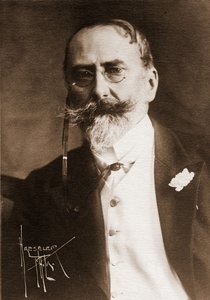
William Merritt Chase
1849 - 1916 , United States of America
Quick Facts
- Artistic Movement Or Style: Impressionism
- Artists Or Movements Influenced By This Artist: ['Wayman Elbridge Adams']
- Artists Who Influenced This Artist: ['Jean-Léon Gérôme']
- Date Of Birth: November 1, 1849
- Date Of Death: October 25, 1916
- Full Name: William Merritt Chase
- Nationality: American
- Notable Artworks:
- Keying Up – The Court Jester
- Idle Hours
- A Study in Curves
- A Friendly Call
- Alice Fernandez
- Place Of Birth: Nineveh, USA

