 Preview
 Send
Send Share
Share
 Details

 Download
 Similars
 X-Ray
X-Ray Diaporama
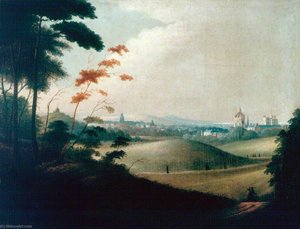
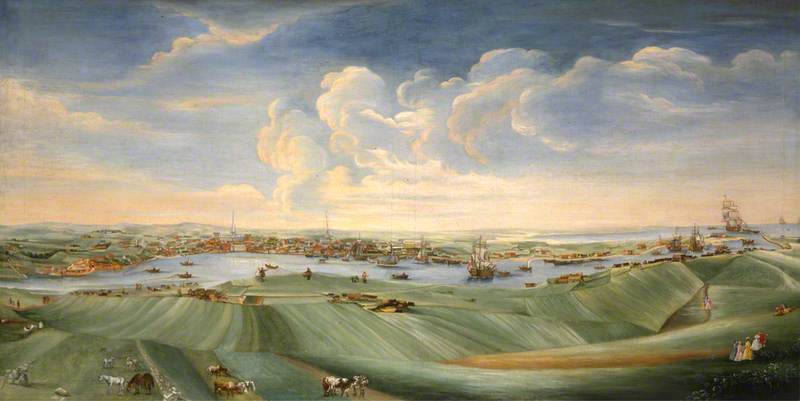
View of Aberdeen
 1756
1756 89.0 x 176.0 cm
 Read More
Hand Made Oil Reproduction
Hand-painted oil on canvas in your size and frame, made to order by our artists. ( Buy Print Buy Image)




































Pick from our preset sizes that match the artwork's original proportions.

You may enter your own dimensions to fit a specific frame or space. If your selected size does not match the original image's proportions, we will either crop the artwork or extend the painting with additional hand-painted elements. A digital mockup will be sent for your approval before production begins.
Please note that the on-screen preview does not reflect the actual cropping or extension. Only the mockup will accurately show the final composition.
While custom sizes are available, we recommend selecting a dimension from the predefined list to preserve the original proportions.
After order, ArtsDot.com team will email client for instructions and provide a mockup preview
Worldwide Delivery () in 3/4 weeks instead of standard 5 weeks. (22 August). No compromise on quality.

Free Worldwide Express Shipping

High-Quality Linen Canvas

Full Shipping Insurance

Customs Tax Refund Guarantee

True Color Matching Guarantee

60-Day Return Policy (Defects Only)

100% Money-Back Guarantee

Bulk Discount Offer
 Glass option is only available in size under 110 CM

View of Aberdeen
Reproduction Medium
Reproduction Size
-


Total Price
$ 263
Related Artworks









Artist Biography
William Mosman: A Scottish Master of the Georgian Court
William Mosman (c. 1700 – 1771) stands as a pivotal, yet often overlooked, figure in 18th-century British art. More than simply a portrait painter, he was a meticulous craftsman and keen observer of his time, capturing the elegance and social intricacies of Georgian Scotland and England with remarkable skill and sensitivity. His work offers a unique window into the lives of nobility, reflecting both the formal conventions of courtly portraiture and a burgeoning desire for more intimate and revealing representations of his subjects.
Born in Aberdeen, Mosman’s early life remains somewhat shrouded in mystery. He apprenticed as a goldsmith, inheriting a tradition of craftsmanship deeply rooted in the region. This foundational knowledge profoundly influenced his artistic approach – a meticulous attention to detail, an understanding of materials, and a mastery of technique that extended far beyond mere likeness. Around 1732, he embarked on a transformative journey to Rome, seeking formal training under Francesco Imperiali, a renowned painter known for his dramatic Baroque style. This period proved crucial, exposing him to Italian artistic principles and shaping the foundation of his later work. However, Mosman didn’t simply replicate Italian techniques; he adapted them to his own sensibilities, incorporating elements of Rococo elegance while retaining a distinctly Scottish sensibility.
The Rise of a Court Painter
Returning to Scotland in 1738, Mosman quickly established himself as a sought-after portraitist within the aristocratic circles of Aberdeen and Edinburgh. He was commissioned by prominent families, including the Duff family, and his work became increasingly refined and sophisticated. His portraits were not merely representations; they were carefully constructed narratives, revealing social status, personality, and even subtle emotional cues. He skillfully employed a range of techniques – oil painting on canvas, pastel, and engraving – to achieve varying effects, from the rich textures of opulent fabrics to the delicate nuances of facial expression.
A significant aspect of Mosman’s career involved his role as an ‘agent’ for Scottish collectors acquiring art in Rome. This position afforded him access to a wider range of artistic influences and provided valuable insights into the European art market. He was also entrusted with the task of authenticating and valuing artworks, demonstrating his expertise and establishing his reputation within the art world. His involvement with Mary, Queen of Scots, during her imprisonment at Lochleven Castle further cemented his position as a trusted artist within the Scottish court.
Technique and Style
Mosman’s style is characterized by its remarkable balance between formality and naturalism. His compositions are typically balanced and symmetrical, reflecting the conventions of courtly portraiture. However, he avoided rigidness, introducing subtle variations in pose, gesture, and expression that brought his subjects to life. He was a master of capturing texture – the sheen of silk gowns, the weight of jewels, the ruggedness of Scottish landscapes – using carefully layered glazes and meticulous detailing. His use of light and shadow created a sense of depth and drama, enhancing the visual impact of his portraits.
Mosman’s influence extended beyond portraiture. He was also involved in designing and executing decorative elements for aristocratic interiors, including furniture fittings and wall hangings. His understanding of materials and craftsmanship ensured that these pieces were not only aesthetically pleasing but also durable and functional. His work reflects a deep appreciation for beauty, elegance, and the traditions of Scottish artistry.
Legacy and Recognition
Despite his considerable talent and contributions to British art, William Mosman has often been overshadowed by more prominent contemporaries. However, recent scholarship is beginning to recognize his importance as a key figure in 18th-century portraiture. His works are now housed in prestigious collections, including the Wilberforce House Museum in York and the Aberdeen Royal Infirmary Art Collection, offering visitors a glimpse into the life and artistry of this remarkable Scottish master. Mosman’s legacy lies not only in his individual portraits but also in his embodiment of a unique artistic vision – one that seamlessly blended technical skill with social observation and emotional sensitivity.
Further research continues to shed light on aspects of Mosman's life and career, solidifying his place as a significant contributor to the rich tapestry of British art history. His work serves as a testament to the enduring power of portraiture to capture not just likeness but also the essence of human experience.
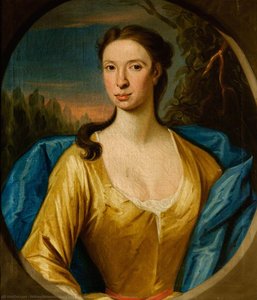
william mosman
1700 - 1771
Quick Facts
- Artistic Movement Or Style: Portraiture, Baroque
- Artists Or Movements Influenced By This Artist: ['Rococo, Georgian Era Painting']
- Artists Who Influenced This Artist: ['Francesco Imperiali']
- Date Of Birth: c.1700
- Date Of Death: 1771
- Full Name: William Mosman
- Nationality: British, Scottish
- Notable Artworks:
- View of Aberdeen
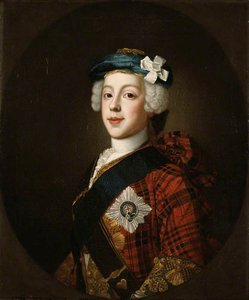
- Prince Charles Edward Stuart
- Place Of Birth: Aberdeen, Scotland