 Preview
 Send
Send Share
Share
 Details

 Download
 Similars
 X-Ray
X-Ray Diaporama
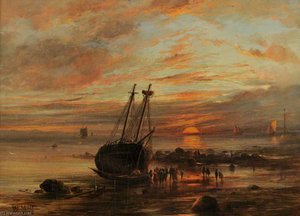
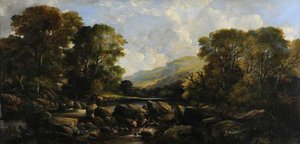
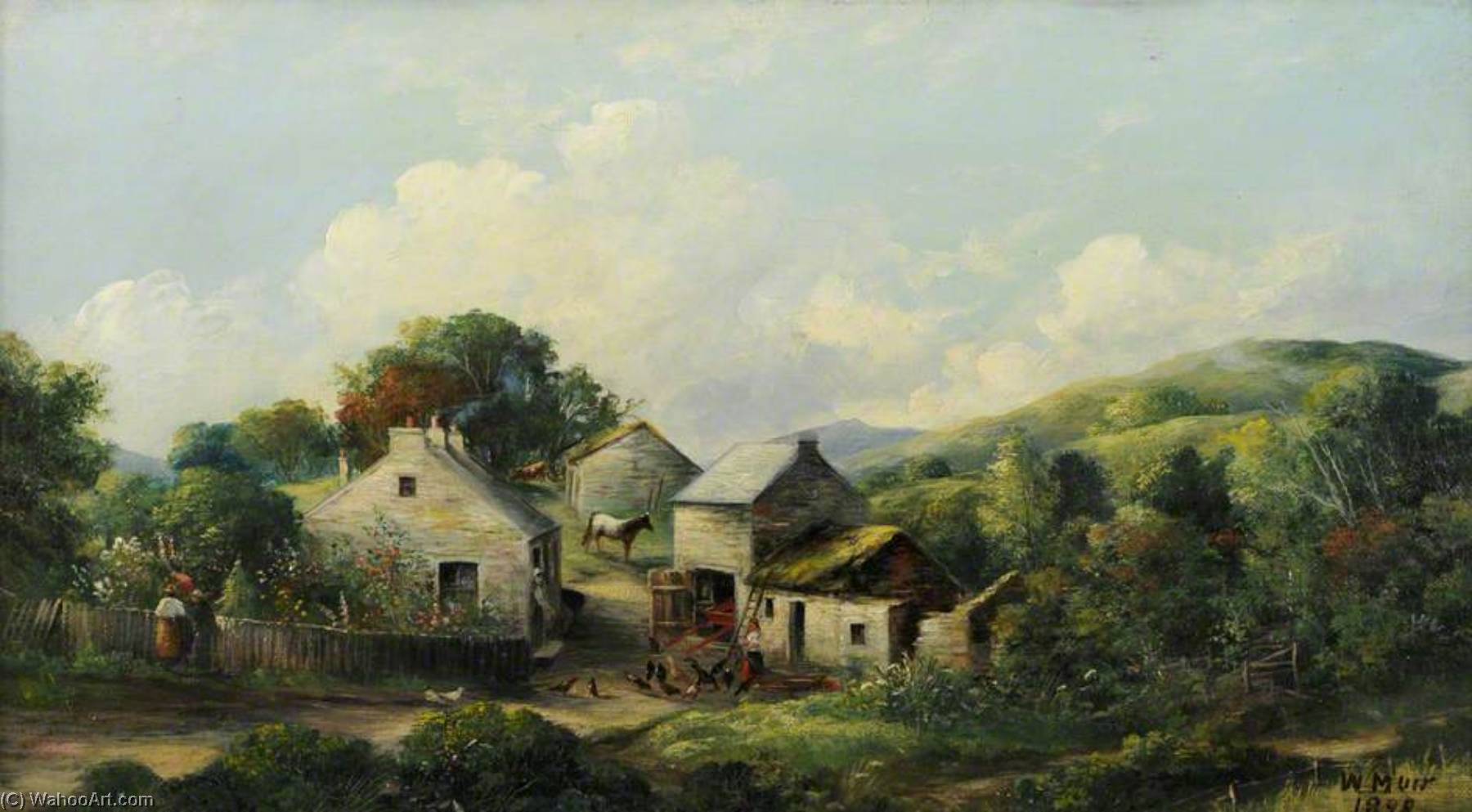
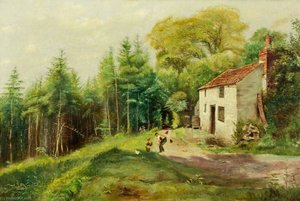
Fauldribbon
 1898
1898 24.0 x 45.0 cm
 Read More
Hand Made Oil Reproduction
Hand-painted oil on canvas in your size and frame, made to order by our artists. ( Buy Print Buy Image)




































Pick from our preset sizes that match the artwork's original proportions.

You may enter your own dimensions to fit a specific frame or space. If your selected size does not match the original image's proportions, we will either crop the artwork or extend the painting with additional hand-painted elements. A digital mockup will be sent for your approval before production begins.
Please note that the on-screen preview does not reflect the actual cropping or extension. Only the mockup will accurately show the final composition.
While custom sizes are available, we recommend selecting a dimension from the predefined list to preserve the original proportions.
After order, ArtsDot.com team will email client for instructions and provide a mockup preview
Worldwide Delivery () in 3/4 weeks instead of standard 5 weeks. (17 August). No compromise on quality.

Free Worldwide Express Shipping

High-Quality Linen Canvas

Full Shipping Insurance

Customs Tax Refund Guarantee

True Color Matching Guarantee

60-Day Return Policy (Defects Only)

100% Money-Back Guarantee

Bulk Discount Offer
 Glass option is only available in size under 110 CM

Fauldribbon
Reproduction Medium
Reproduction Size
-


Total Price
$ 263
Related Artworks





Artist Biography
The Painter of Ayrshire’s Shores: The Life and Legacy of William Muir
William Muir (1828 – 1910) remains a figure shrouded in artistic mystery, largely due to his self-taught status and the relative scarcity of biographical information. Yet, his distinctive landscapes—particularly those depicting the rugged coastline of Ayrshire and Tasmania—have secured him a place among Scotland’s most accomplished Romantic artists. His work possesses an unparalleled sensitivity to light and atmosphere, capturing the essence of coastal environments with remarkable precision and emotional depth. Born in Girvan, Ayrshire, into a family of farmers, Muir did not follow the traditional path of formal academy training. Instead, he honed his skills through intense observation and experimentation, primarily by studying the works of masters like Turner and Constable, whose techniques profoundly influenced his artistic vision.
Muir’s formative years were spent immersed in the Ayrshire landscape, a period that would define the soul of his early oeuvre. He meticulously documented the dramatic cliffs, windswept beaches, and turbulent seas surrounding Girvan and Troon. These paintings are far more than mere representations of scenery; they are imbued with a palpable sense of place—a feeling for the raw beauty and elemental power of the coast. His mastery is particularly evident in works such as “The Firth of Clyde” (1863), which showcases a Turnerian atmospheric perspective, and “Troon Harbour” (1870), which captures the bustling activity of a seaside town with a command of color and brushwork that prioritizes expressive gesture over photographic accuracy.
A Journey from Romanticism to Impressionistic Light
The trajectory of Muir’s career took an unexpected and transformative turn in 1875 when he emigrated to Tasmania. This relocation introduced him to a landscape that, while possessing a similar dramatic character to his beloved Ayrshire, offered much warmer hues and a softer, more luminous light. Inspired by this new environment, Muir began to embrace Impressionistic principles, gradually abandoning the heavier, Turnerian gloom of his youth in favor of brighter palettes and a more delicate touch. This evolution is beautifully captured in his later works, where the interplay of light on water and land becomes the central protagonist of the canvas.
His technical development can be observed through several key characteristics that define his most celebrated pieces:
- Atmospheric Precision: An ability to render the weight of mist, the spray of salt, and the shifting clarity of coastal air.
- Luminist Influence: A transition toward capturing the glow of sunlight through soft, muted colors and delicate brushstrokes.
- Emotional Resonance: The use of earth tones and deep blues to evoke a sense of serenity, tranquility, or the raw power of nature.
Enduring Significance in the Landscape Tradition
Throughout his life, Muir’s work served as a bridge between the dramatic Romanticism of the early 19th century and the burgeoning Impressionist movements. His ability to translate the ruggedness of the Scottish coast and the vibrant light of Tasmania into oil on canvas has left an indelible mark on maritime and landscape art. Even today, his paintings—such as “Bend on the Water of Girvan” and “The Silver Strand”—continue to resonate with viewers, offering a window into a vanished era of coastal life and a profound meditation on the eternal beauty of the natural world.
william muir
1828 - 1910
Quick Facts
- Artistic Movement Or Style: Romanticism
- Artists Or Movements Influenced By This Artist: ['Hudson River School']
- Artists Who Influenced This Artist:
- George Caleb Bingham
- John Constable
- Date Of Birth: 1828
- Date Of Death: 1910
- Full Name: William Muir
- Nationality: Scottish
- Notable Artworks:
- The Ayrshire Coast
- Tasmania
- Place Of Birth: Glasgow, Scotland