

 Preview
 Send
Send Share
Share
 Details

 Download
 Similars
 X-Ray
X-Ray Diaporama
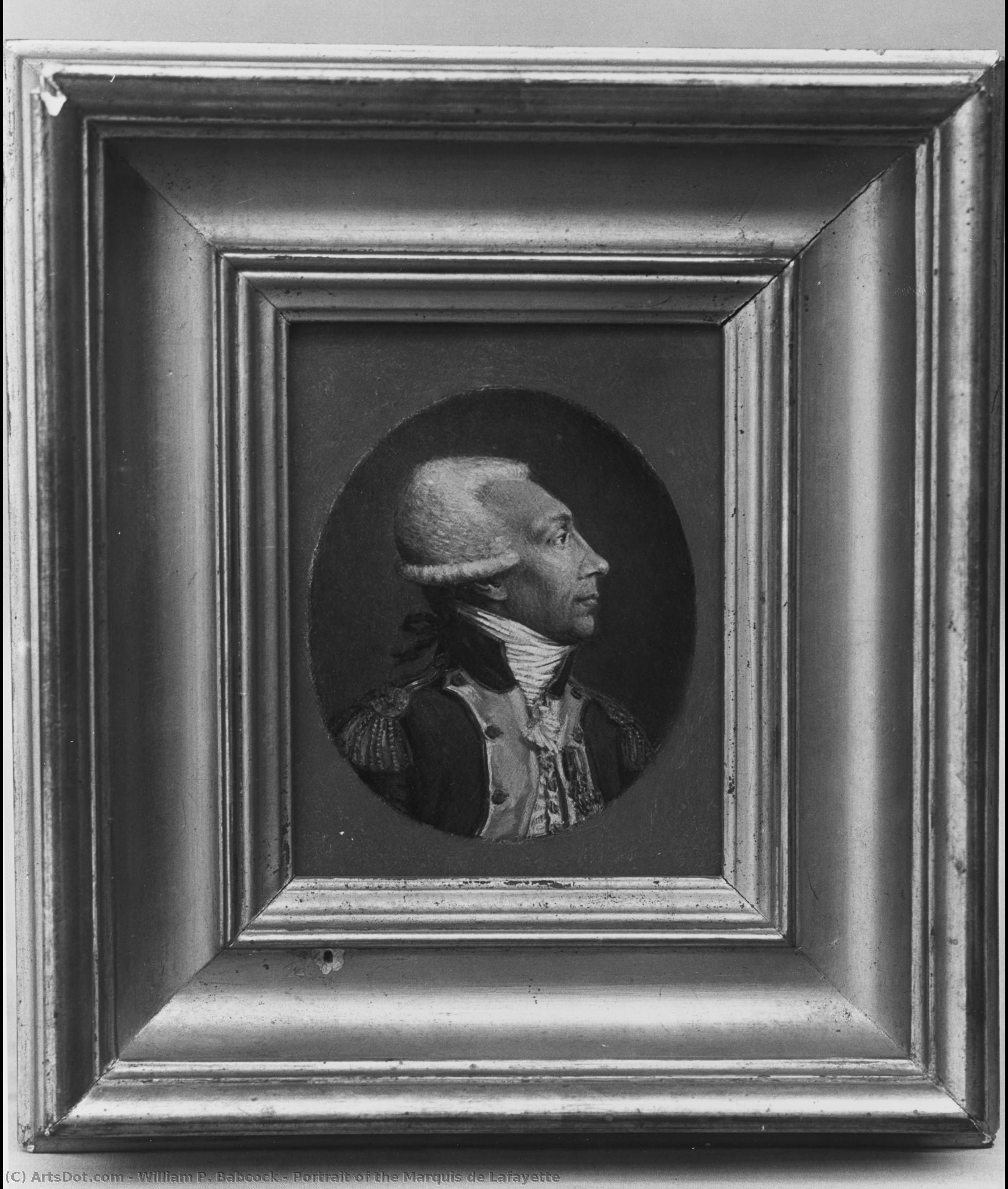
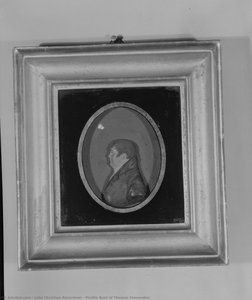
Portrait of the Marquis de Lafayette
 1850
1850 13.0 x 15.0 cm
 Read More
Purchase a high-resolution, enhanced digital image, far superior to the online preview.
Each file is meticulously prepared by our in-house specialists using advanced tools and expert manual retouching. We ensure every image has exceptional clarity, precise color accuracy, and fine detail.
The final file is delivered via email within 72 hours, optimized for immediate use in professional, editorial, and print environments. This is the same quality trusted by top-tier design studios, publishers, and galleries.
Digital Image
Download a high-resolution file for personal display, printing, and creative projects. ( Buy Print Buy Hand Made Painting)
Included in Every Digital Image Order
Expert Digital Delivery, Guaranteed
When you choose ArtsDot.com, you're not just getting an image - you're receiving a professionally enhanced digital artwork, crafted with precision and backed by a satisfaction guarantee. Here's everything that comes with your order, automatically:

Fast Email Delivery
Your high-resolution digital image file will be emailed to you within 72 hours of ordering - ready for immediate use.

AI-Enhanced Digital File
Your artwork is professionally optimized using advanced AI tools and manual editing, ensuring maximum detail, clarity, and color accuracy.

Free Lifetime Re-Delivery
Accidentally deleted or lost your file? No worries - we'll resend it to you anytime, free of charge.

No Import Fees - Ever
Enjoy your artwork instantly with zero customs, duties, or delivery fees - digital downloads are always tax-free.

Color Accuracy Guarantee
We ensure your digital image reflects the original colors as closely as possible using professional tools and color management.

60-Day Satisfaction Guarantee
If you're not satisfied with your digital image, we'll revise it or refund 100% within 60 days - no questions asked.

100% Money-Back Guarantee
Not satisfied? Get a full refund within 60 days of receiving your digital file - no questions asked.

Bulk Order Discounts
Buy 3 images, save 10% - Buy 5, save 15% - Buy 10+, save 20%. Great for creative projects, galleries, and agencies.
Related Artworks






Artist Biography
William P. Babcock: Bridging Barbizon and American Portraiture
Born in Boston in 1826, William Perkins Babcock’s artistic journey represents a fascinating confluence of European artistic movements and the burgeoning identity of American painting. Initially drawn to Paris in 1847 under the tutelage of Thomas Couture, Babcock quickly became captivated by the Barbizon School – a revolutionary movement that prioritized direct observation of nature and a rejection of the rigid academic styles dominating the Salon. This encounter proved pivotal, forging a lifelong connection with Jean-François Millet, a leading figure within the Barbizon circle, and profoundly influencing Babcock’s artistic approach.
Babcock's early training instilled in him a deep appreciation for *plein air* painting – working directly from nature. Unlike the studio-bound traditions of earlier generations, the Barbizon painters sought to capture the fleeting effects of light and atmosphere on the landscape. This commitment to observation is immediately evident in his later works, particularly his landscapes which possess a remarkable sense of immediacy and authenticity. However, Babcock’s artistic sensibilities weren't solely defined by the Barbizon School; he also absorbed elements from other European traditions, including Venetian color palettes and classical composition – a testament to his broad cultural awareness.
- Early Influences: Couture’s instruction provided a foundation in academic technique, while Millet’s work demonstrated the power of capturing the essence of rural life.
- Barbizon Principles: Babcock embraced *plein air* painting and sought to depict nature with directness and honesty.
- Cross-Cultural Synthesis: His art blended Barbizon techniques with elements of Venetian color and classical composition.
A Portraitist in the American Grain
While his landscapes are captivating, Babcock’s most enduring legacy lies in his portraiture. He quickly established himself as a skilled portraitist, capturing the dignity and character of his subjects with remarkable sensitivity. His portraits weren't merely likenesses; they were imbued with personality and emotion – reflecting the sitter’s inner life through subtle gestures, expressions, and carefully chosen details.
Babcock’s early American commissions included notable figures such as George Washington and Marquis de Lafayette, cementing his reputation within the elite circles of Boston society. These portraits demonstrate a mastery of classical technique combined with an ability to convey both formal dignity and personal warmth. His meticulous attention to detail – evident in works like “Panel of George Washington” – showcases a dedication to realism that was highly valued during this period.
- Notable Portraits: He painted portraits of prominent figures including George Washington and Marquis de Lafayette.
- Classical Technique: Babcock skillfully blended classical portraiture techniques with an understanding of American identity.
- Emotional Depth: His portraits captured the essence of his subjects, conveying their personalities and inner lives.
Life in France and a Lasting Connection
Babcock spent much of his life residing in France, primarily in Barbizon and later Bois d’Arcy, immersing himself in the artistic community he had discovered there. This period was marked by a deep friendship with Jean-François Millet, who served as a significant mentor and inspiration. Babcock's time in these villages allowed him to fully embrace the Barbizon aesthetic – painting directly from nature and capturing the beauty of the surrounding landscape.
He established a home surrounded by roses, creating an idyllic setting for his artistic practice. His collection of paintings by Barbizon artists became legendary, showcasing his deep appreciation for their work and solidifying his position as a leading authority on the movement. Babcock’s dedication to preserving and promoting the legacy of Millet and other Barbizon painters is a testament to his commitment to artistic heritage.
- Residence in France: Babcock spent most of his life in France, particularly in Barbizon and Bois d'Arcy.
- Friendship with Millet: He developed a close relationship with Jean-François Millet, who served as a mentor.
- Collection of Barbizon Paintings: Babcock amassed a significant collection of works by Barbizon artists.
Auction Records and Historical Significance
Despite his considerable talent and influence, Babcock’s work remained relatively obscure during his lifetime. However, in recent decades, his paintings have achieved increasing recognition and value on the international art market. Pieces such as “Panel of George Washington” have commanded prices ranging from $1,000 to $100,000 at auction, reflecting a growing appreciation for his unique artistic vision.
Babcock’s significance extends beyond his individual achievements. He played a crucial role in introducing the Barbizon School to American artists, fostering a new approach to landscape painting and portraiture. His work stands as a bridge between European artistic traditions and the developing identity of American art – a testament to the power of cross-cultural exchange and the enduring appeal of capturing the beauty of nature.
- Rising Market Value: Babcock’s paintings have achieved increasing recognition and value on the international art market.
- Influence on American Art: He introduced the Barbizon School to American artists, shaping a new approach to painting.
- Bridging Traditions: His work represents a synthesis of European and American artistic influences.
Further Resources
For more information about William P. Babcock, please visit these resources:
William P. Babcock
1826 - 1899 , United States of America
Quick Facts
- Artistic Movement Or Style: Barbizon school
- Artists Or Movements Influenced By This Artist: ['William Morris Hunt']
- Artists Who Influenced This Artist: ['Jean-François Millet']
- Date Of Birth: 1826
- Date Of Death: 1899
- Full Name: William P. Babcock
- Nationality: American
- Notable Artworks:
- Panel of George Washington
- Still life flowers
- Place Of Birth: Boston, USA

