

 Preview
 Send
Send Share
Share
 Details

 Download
 Similars
 X-Ray
X-Ray Diaporama
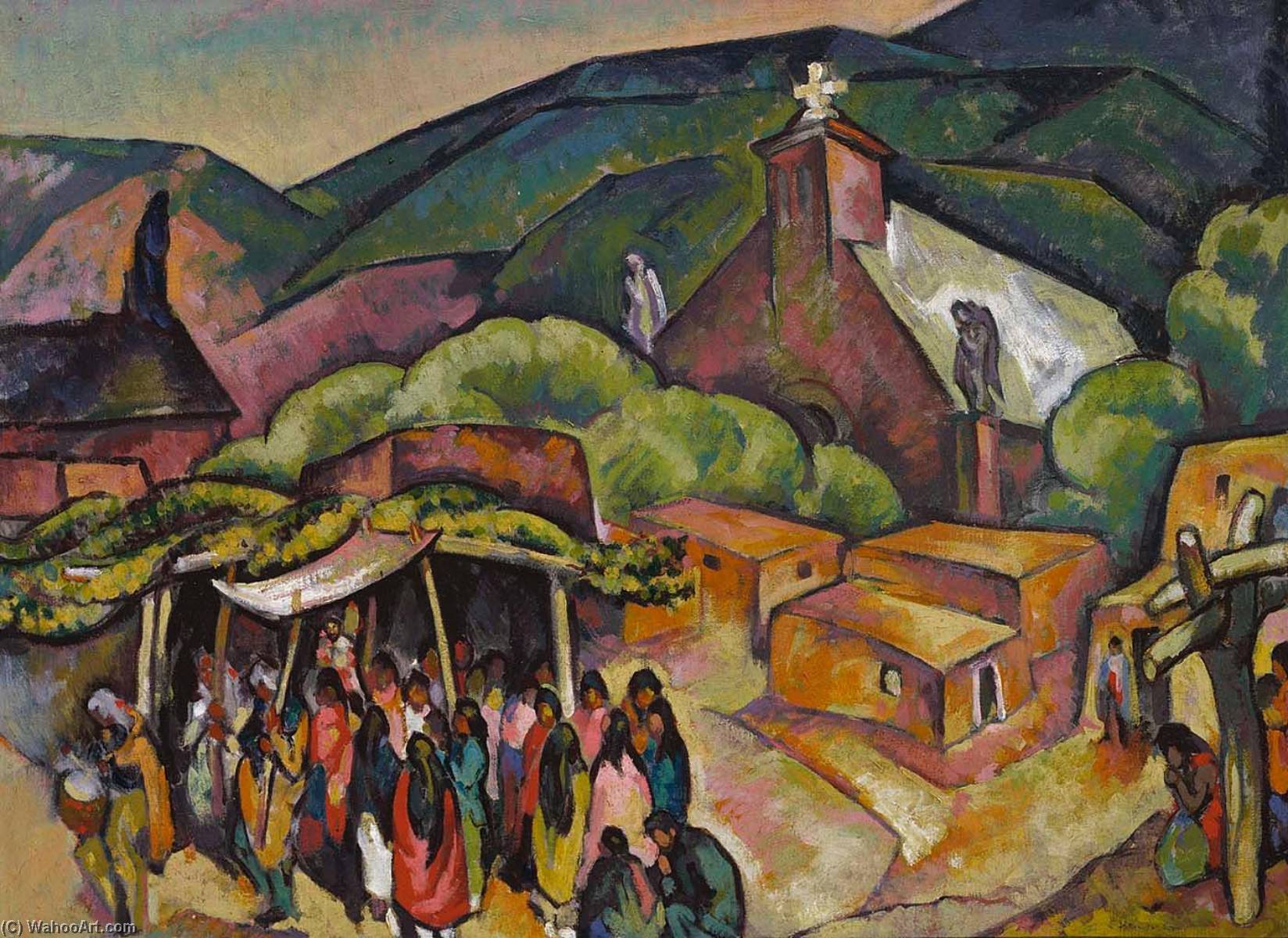
Feast Day San Juan Pueblo
 1921
1921 56.0 x 76.0 cm
 Read More
Purchase a high-resolution, enhanced digital image, far superior to the online preview.
Each file is meticulously prepared by our in-house specialists using advanced tools and expert manual retouching. We ensure every image has exceptional clarity, precise color accuracy, and fine detail.
The final file is delivered via email within 72 hours, optimized for immediate use in professional, editorial, and print environments. This is the same quality trusted by top-tier design studios, publishers, and galleries.
Digital Image
Download a high-resolution file for personal display, printing, and creative projects. ( Buy Print Buy Hand Made Painting)
Included in Every Digital Image Order
Expert Digital Delivery, Guaranteed
When you choose ArtsDot.com, you're not just getting an image - you're receiving a professionally enhanced digital artwork, crafted with precision and backed by a satisfaction guarantee. Here's everything that comes with your order, automatically:

Fast Email Delivery
Your high-resolution digital image file will be emailed to you within 72 hours of ordering - ready for immediate use.

AI-Enhanced Digital File
Your artwork is professionally optimized using advanced AI tools and manual editing, ensuring maximum detail, clarity, and color accuracy.

Free Lifetime Re-Delivery
Accidentally deleted or lost your file? No worries - we'll resend it to you anytime, free of charge.

No Import Fees - Ever
Enjoy your artwork instantly with zero customs, duties, or delivery fees - digital downloads are always tax-free.

Color Accuracy Guarantee
We ensure your digital image reflects the original colors as closely as possible using professional tools and color management.

60-Day Satisfaction Guarantee
If you're not satisfied with your digital image, we'll revise it or refund 100% within 60 days - no questions asked.

100% Money-Back Guarantee
Not satisfied? Get a full refund within 60 days of receiving your digital file - no questions asked.

Bulk Order Discounts
Buy 3 images, save 10% - Buy 5, save 15% - Buy 10+, save 20%. Great for creative projects, galleries, and agencies.
Related Artworks









Artist Biography
William Penhallow Henderson: Weaver of the Southwest
William Penhallow Henderson (1877-1943) wasn’t merely a painter; he was an architect, furniture designer, and a pivotal figure in shaping the artistic landscape of Santa Fe and the broader Southwestern United States. Born in Medford, Massachusetts, into a family deeply rooted in art – his father, William Oliver Henderson, was an amateur painter with connections to William Edward Norton – Henderson’s early life fostered a profound appreciation for visual expression. His journey took him across America, culminating in a permanent settlement in Santa Fe, New Mexico, a place that would irrevocably inform and define his artistic vision.
Henderson's formative years were marked by a restless spirit of exploration and learning. He began his formal training at the Massachusetts Normal Art School and later honed his skills at the Boston Museum of Fine Arts under Edmund Charles Tarbell. This early education provided him with a solid foundation in traditional techniques, but it was his subsequent travels – particularly to Europe – that truly ignited his artistic sensibilities. During this period, he immersed himself in the works of Old Masters like Velázquez, absorbing their mastery of light, color, and composition. Returning to America, he embraced a distinctly Impressionistic approach, characterized by loose brushwork, vibrant hues, and an emphasis on capturing fleeting moments of light and atmosphere.
However, Henderson’s artistic trajectory took a dramatic turn when he moved to Santa Fe in 1914. The stark beauty of the New Mexican landscape – its vast deserts, towering mesas, and fiery sunsets – immediately captivated him. He quickly established himself as a central figure in the burgeoning Southwestern art scene, forming the New Mexico Painters Society alongside other prominent artists like Joseph Henry Sharp and Ernest Lien. His work during this period is characterized by an almost hallucinatory intensity, reflecting the dramatic light and otherworldly quality of the region. He wasn’t simply depicting landscapes; he was attempting to capture the *feeling* of the Southwest – its heat, its silence, its sense of timelessness.
Theatrical Designs and a New Vision
Beyond his landscape paintings, Henderson made an indelible mark on the world of stage design. His imaginative and often surreal designs for productions like “Alice in Wonderland” (1915) showcased a remarkable versatility and a willingness to experiment with unconventional materials and techniques. The costumes he created – particularly ‘Two of Spades,’ a striking clown ensemble—were bold, expressive, and deeply rooted in the spirit of the story. These weren’t merely functional garments; they were visual metaphors, imbued with symbolism and emotion. His work for Alice in Wonderland demonstrated an ability to translate fantastical narratives into tangible forms, blending theatricality with artistic innovation.
This theatrical sensibility extended to his furniture designs, which often incorporated similar elements of whimsy and surrealism. He created pieces that were both functional and visually arresting, reflecting a unique aesthetic sensibility. His furniture was not just meant to be used; it was intended to be experienced – to evoke a sense of wonder and delight.
Influences and Artistic Style
Henderson’s artistic style can be described as Post-Impressionistic with strong elements of Symbolism and Expressionism. He drew inspiration from a diverse range of sources, including the works of J.M.W. Turner, Paul Gauguin, and Vincent van Gogh. His use of color was particularly striking – he employed intense, saturated hues to create dramatic effects and evoke powerful emotions. His brushwork was often loose and gestural, conveying a sense of movement and energy. He frequently used thick impasto—applying paint in heavy layers—to build up texture and depth.
Furthermore, Henderson’s work was profoundly influenced by Native American art and culture. He spent considerable time studying the traditions and symbolism of the Pueblo peoples, incorporating elements of their iconography into his paintings and designs. This engagement with indigenous cultures demonstrated a genuine respect for the artistic heritage of the Southwest and contributed to his unique visual language.
Legacy and Recognition
Despite facing challenges in securing consistent sales during his lifetime, William Penhallow Henderson’s legacy as one of the most important artists of the Southwestern art movement is now firmly established. His paintings are held in numerous museums and private collections across the United States and abroad, including the Denver Art Museum and the Smithsonian American Art Museum. His work continues to inspire artists and viewers alike, offering a glimpse into the beauty and mystery of the Southwest.
Beyond his artistic achievements, Henderson’s contributions as an architect and furniture designer further cemented his place in the cultural history of Santa Fe. His designs helped shape the aesthetic character of the city, reflecting its unique blend of artistic innovation and Southwestern traditions. William Penhallow Henderson remains a vital figure in understanding the evolution of American art and the enduring power of the Southwest’s visual landscape.
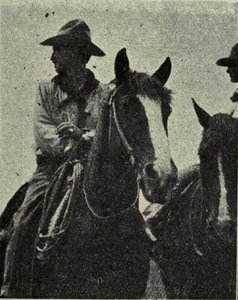
william penhallow henderson
1877 - 1943
Quick Facts
- Artistic Movement Or Style: Post-Impressionism
- Artists Or Movements Influenced By This Artist: ['New Mexico Painters Society']
- Artists Who Influenced This Artist:
- William Edward Norton
- Edmund C. Tarbell
- Date Of Birth: 1877
- Date Of Death: 1943
- Full Name: William Penhallow Henderson
- Nationality: American
- Notable Artworks:
- Portrait of William E. Norton
- Two of Spades
- White Rabbit with Herald’s Costume
- Place Of Birth: Medford, Massachusetts

