 Preview
 Send
Send Share
Share
 Details

 Download
 Similars
 X-Ray
X-Ray Diaporama
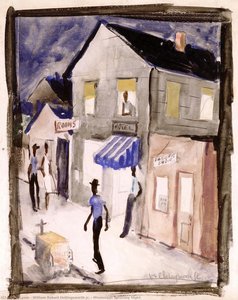
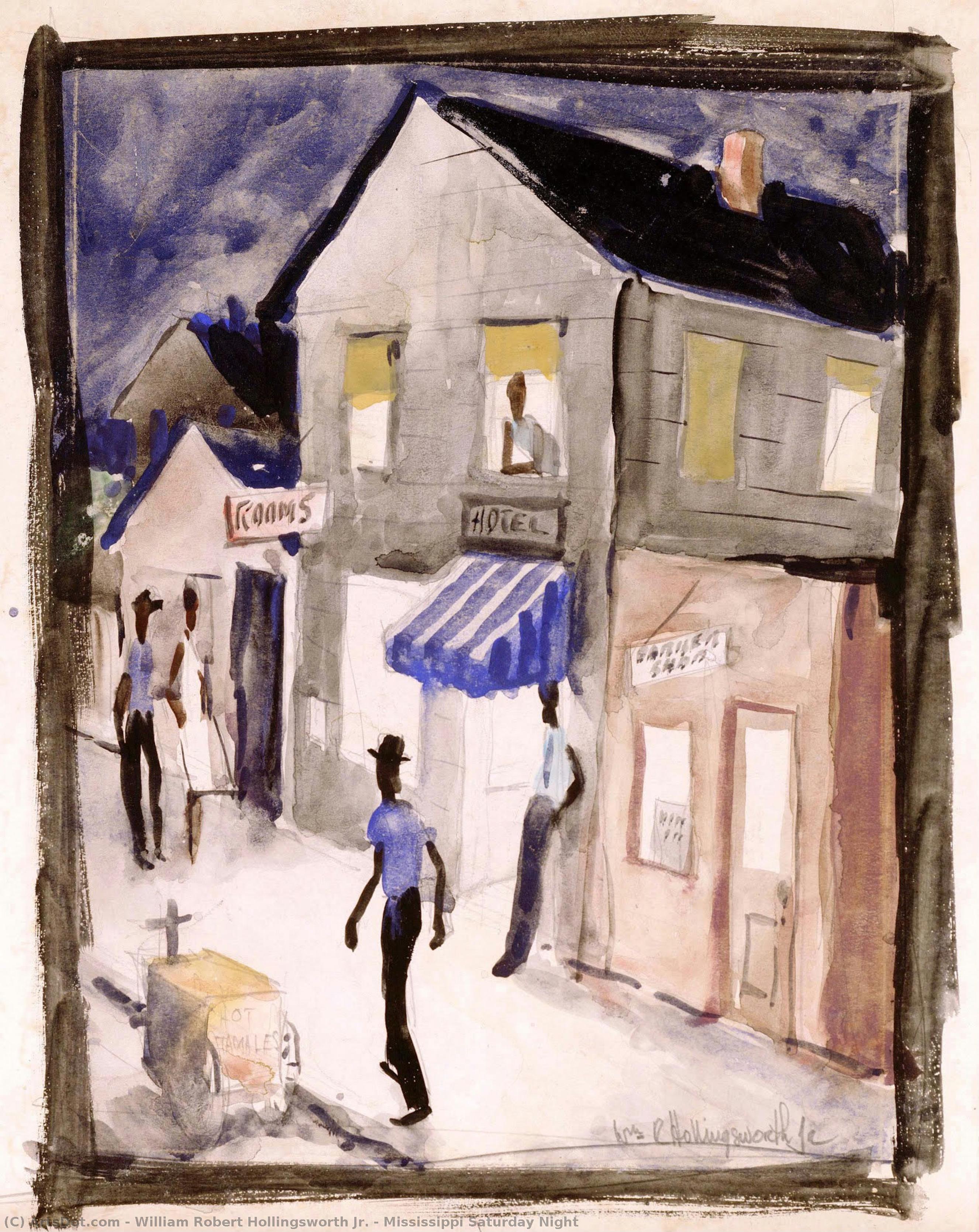
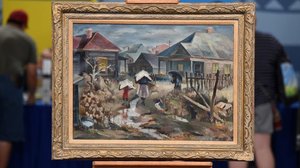
Mississippi Saturday Night


 Read More
Giclée / Art Print
Museum-quality giclée or canvas print with fast production and flexible finish options. ( Buy Hand Made Painting Buy Image)




































Pick from our preset sizes that match the artwork's original proportions.

You may enter your own dimensions to fit a specific frame or space. If your selected size does not match the original image's proportions, we will either crop the artwork or extend the image with a mirrored or solid-fill edge. A digital mockup will be sent for your approval before production begins.
Please note that the on-screen preview does not reflect the actual cropping or extension. Only the mockup will accurately show the final composition.
While custom sizes are available, we recommend selecting a dimension from the predefined list to preserve the original proportions.
Worldwide Delivery () in 2 weeks instead of standard 4/5 weeks. (1 September)

Free Worldwide Express Shipping

High-Quality Linen Canvas

Full Shipping Insurance

Customs Tax Refund Guarantee

True Color Matching Guarantee

60-Day Return Policy (Defects Only)

100% Money-Back Guarantee

Bulk Discount Offer
 Glass option is only available in size under 110 CM

Mississippi Saturday Night
Giclée / Art Print
Reproduction Size
-


Total Price
$ 63
Related Artworks









Artist Biography
A Visionary of the Mississippi Delta
The story of William Robert Hollingsworth Jr. is one of profound beauty intertwined with a poignant, untimely tragedy. Born on February 17, 1910, in the heart of Jackson, Mississippi, Hollingsworm was an artist whose soul seemed inextricably linked to the landscapes and rhythms of the American South. His life, though tragically cut short by suicide at the age of thirty-four, left behind a body of work that serves as a luminous window into the Depression-era South. To look upon his canvases is to witness a man attempting to translate the very essence of light, atmosphere, and regional identity into a visual language that remains deeply moving decades after his passing.
Hollingsworth’s artistic journey was shaped by both personal heritage and rigorous formal training. Raised in a household where art was respected—his father, Fred A. Tyson, was a prominent figure in Jackson real estate—he possessed an early inclination toward creative expression. After spending two years at the University of Mississippi, he sought the professional rigors of the School of the Art Institute of Chicago. It was here, graduating in 1934, that his raw talent met disciplined technique. This period of study transformed a boyish interest in cartooning into a sophisticated mastery of composition and color, preparing him for a career that would eventually bridge the gap between commercial precision and emotional impressionism.
Technique, Light, and the Southern Spirit
What distinguishes Hollingsworth’s oeuvre is his remarkable ability to manipulate medium and light to evoke specific moods. While he was equally adept with oil paints, it was in watercolor that he truly found his voice. He utilized the medium's inherent translucency to create layered washes that mimicked the humid, heavy atmosphere of Mississippi’s cypress swamps and rolling hills. His technique involved a delicate balance of meticulous detail and bold, expressive brushstrokes, allowing for a sense of movement within his landscapes.
His influences were as diverse as his subjects. He drew inspiration from the soulful, folk-driven sensibilities of artists like Clementine Hunter, whose ability to capture rural life with sensitivity resonated with his own mission. This influence is visible in his depictions of everyday Southern scenes—not merely as static landscapes, but as living, breathing environments filled with a sense of history and quiet drama. Whether he was capturing the vibrant hues of a summer afternoon or the somber, muted tones of a wartime evening, Hollingsworth’s work possessed an emotional depth that transcended mere representation.
A Legacy Forged in Shadow and Light
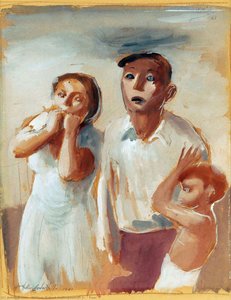
The historical significance of Hollingsworth’s work lies in its role as a visual chronicle of a transformative era. Returning to Jackson during the Great Depression, he lived through the economic hardships and the global upheaval of the Second World War. His daily life—working for the Federal Emergency Relief Administration by day and painting by night—infused his work with a certain grit and reality. Some of his most powerful pieces, such as the 1941 watercolor Fear, reflect the psychological weight of the era, capturing the domestic anxiety felt by families during the onset of global conflict.
Despite the brevity of his career, the impact of his artistry remains profound. His ability to blend Impressionistic realism with a deeply personal, regional perspective has ensured his place in the annals of American Southern art. Today, his works are cherished not only for their technical brilliance but for the way they encapsulate a lost world of rural Mississippi. He remains an artist of both joy and sadness, a painter who could find the divine light within the shadows of a changing world, leaving behind a legacy that continues to inspire new generations of artists to look closely at the beauty in their own surroundings.
william robert hollingsworth jr.
1910 - 1944 , United States of America
Quick Facts
- Artistic Movement Or Style: Watercolor & Oil Painting
- Artists Or Movements Influenced By This Artist: ['Southern Art Styles']
- Artists Who Influenced This Artist: ['Clementine Hunter']
- Date Of Birth: February 17, 1910
- Date Of Death: August 1, 1944
- Full Name: William Robert Hollingsworth Jr.
- Nationality: American
- Notable Artworks: ['Mississippi Saturday Night']
- Place Of Birth: Jackson, United States of America