

 Preview
 Send
Send Share
Share
 Details

 Download
 Similars
 X-Ray
X-Ray Diaporama
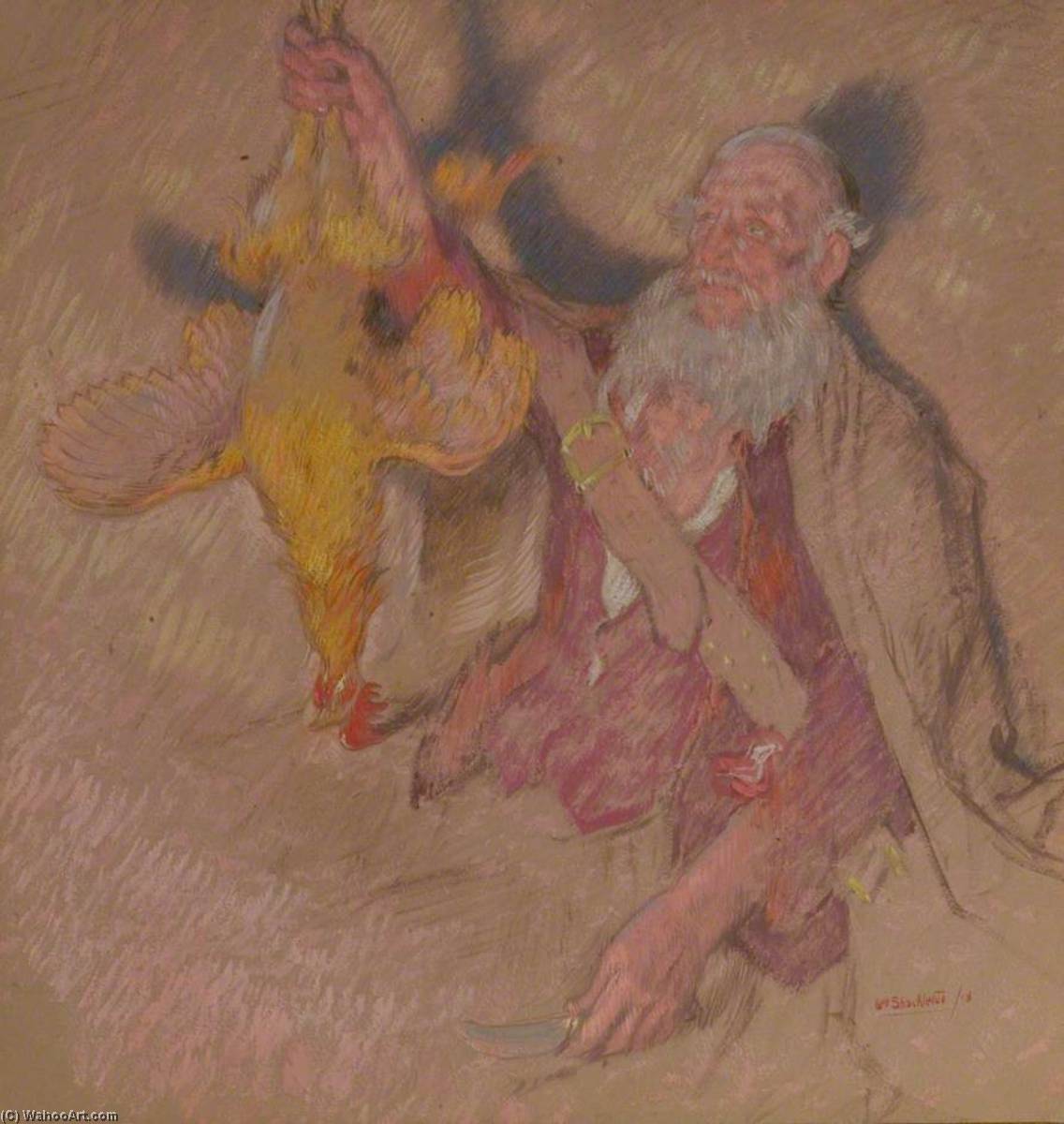
Study of a Man Holding a Cock for 'Highland Raiders'
 Painting
- British Aesthetic Movement
 1918
1918- Modern
 35.0 x 35.0 cm
 Nottingham Castle Museum And Art Gallery
 Read More
Purchase a high-resolution, enhanced digital image, far superior to the online preview.
Each file is meticulously prepared by our in-house specialists using advanced tools and expert manual retouching. We ensure every image has exceptional clarity, precise color accuracy, and fine detail.
The final file is delivered via email within 72 hours, optimized for immediate use in professional, editorial, and print environments. This is the same quality trusted by top-tier design studios, publishers, and galleries.
Digital Image
Download a high-resolution file for personal display, printing, and creative projects. ( Buy Print Buy Hand Made Painting)
Included in Every Digital Image Order
Expert Digital Delivery, Guaranteed
When you choose ArtsDot.com, you're not just getting an image - you're receiving a professionally enhanced digital artwork, crafted with precision and backed by a satisfaction guarantee. Here's everything that comes with your order, automatically:

Fast Email Delivery
Your high-resolution digital image file will be emailed to you within 72 hours of ordering - ready for immediate use.

AI-Enhanced Digital File
Your artwork is professionally optimized using advanced AI tools and manual editing, ensuring maximum detail, clarity, and color accuracy.

Free Lifetime Re-Delivery
Accidentally deleted or lost your file? No worries - we'll resend it to you anytime, free of charge.

No Import Fees - Ever
Enjoy your artwork instantly with zero customs, duties, or delivery fees - digital downloads are always tax-free.

Color Accuracy Guarantee
We ensure your digital image reflects the original colors as closely as possible using professional tools and color management.

60-Day Satisfaction Guarantee
If you're not satisfied with your digital image, we'll revise it or refund 100% within 60 days - no questions asked.

100% Money-Back Guarantee
Not satisfied? Get a full refund within 60 days of receiving your digital file - no questions asked.

Bulk Order Discounts
Buy 3 images, save 10% - Buy 5, save 15% - Buy 10+, save 20%. Great for creative projects, galleries, and agencies.
Collectible Description
A Moment Frozen in Time: The Soul of the Highland Study
In the quiet, evocative depths of William Shackleton’s 1918 masterpiece, Study of a Man Holding a Cock for 'Highland Raiders', we are invited into a world that feels both intimately personal and profoundly timeless. This painting serves as more than just a preparatory study; it is a window into the rugged, soulful essence of British life during the early twentieth century. The composition centers on an elderly gentleman, his face etched with the wisdom and weathered texture of a life lived in harmony with the elements. Clad in a striking red coat that provides a warm, vibrant anchor to the palette, he cradles a large, magnificent cock with a tenderness that suggests a deep-seated connection to the natural world. The presence of other birds peering from the periphery adds a layer of lively, rustic charm, creating a scene that breathes with the quiet energy of a countryside morning.
Shackleton, a significant figure within the British Aesthetic Movement, utilizes his mastery of realism and expressive brushwork to bridge the gap between mere observation and emotional storytelling. The technique employed here is nothing short of masterful, where the interplay of light and shadow brings a tactile quality to the man’s flowing white beard and the iridescent feathers of the poultry. There is a deliberate, painterly texture that allows the viewer to feel the weight of the bird and the coarse fabric of the man's attire. The inclusion of a small knife resting near the bottom center introduces a subtle, grounded realism—a hint of the practicalities of rural existence—yet it does not disrupt the nostalgic, almost poetic atmosphere that permeates the canvas.
For the discerning collector or interior designer, this artwork offers an unparalleled opportunity to introduce a sense of heritage and warmth into a living space. The piece functions as a powerful focal point, capable of anchoring a room with its rich tones and narrative depth. Its symbolism—the connection between man, animal, and the earth—resonates deeply in a modern era often disconnected from nature, offering a meditative quality that invites long periods of contemplation. Whether placed in a traditional study adorned with leather-bound books or as a sophisticated accent in a contemporary gallery-style room, this reproduction of Shackleton’s vision brings with it an aura of prestige and a timeless, rustic elegance that transcends fleeting trends.
Related Artworks

Artist Biography
The Soul of the British Landscape: The Life and Art of William Shackleton
In the tapestry of early 20th-century British art, few threads are as delicately woven as those left by William Shackleton. Born in 1872 in the industrial heart of Wednesfield, Staffordshire, Shackleton emerged from a period of profound transition in the art world. His journey was one of constant refinement, moving between the rigorous academic traditions of his training and a deeply personal, atmospheric approach to the natural world. As a painter who mastered both the expansive grandeur of the Yorkshire Moors and the quiet, intimate beauty of a single bloom, Shackleton captured a sense of time and place that remains profoundly moving to the modern observer.
Shackleton’s artistic foundation was built upon the prestigious halls of the Beckenham School of Art and the Royal Academy. It was during these formative years that he began to synthesize the classical precision of his instructors with the burgeoning influences of the British Aesthetic Movement. He found inspiration in the works of masters like Walter Sickert and Frederic Leighton, learning to balance a realistic depiction of form with an expressive, almost poetic use of light and brushwork. This duality allowed him to navigate seamlessly between different genres, finding equal depth in a sprawling vista and a quiet domestic scene.
A Mastery of Light and Atmosphere
The true heart of Shackleton’s oeuvre lies in his ability to translate the ephemeral qualities of the British atmosphere onto canvas. He possessed an uncanny knack for capturing the "sublime"—that specific, breathtaking moment when light breaks through a heavy cloud or when the morning frost clings to the heather. His depictions of the Yorkshire landscape, particularly around Haworth Moor and Malham, are not merely topographical records but emotional landscapes. In works such as "Winter Sunrise, Malham, Yorkshire," one can almost feel the biting chill of the air and the silent, golden promise of a new day.
This mastery extended far beyond the rugged highlands. Shackleton’s sensitivity to nature was equally evident in his more delicate studies. His "Study of Roses" demonstrates a profound ability to find the infinite within the small, using soft textures and subtle color gradations to celebrate the fleeting beauty of life. Whether he was painting the vast, windswept plains or the intricate petals of a flower, his technique remained rooted in an appreciation for the organic rhythms of the natural world.
Portraiture and the Human Connection
While landscapes provided him with a stage for grandeur, portraiture offered Shackleton a medium for psychological intimacy. He moved away from the stiff, formal traditions of Victorian portraiture to explore the nuanced expressions of his subjects. His portraits often utilized soft, diffused light—reminiscent of the interior scenes favored by the Impressionists—to create an atmosphere of quiet contemplation. By placing his subjects within domestic settings, he invited the viewer into a private world, capturing not just a likeness, but a sense of character and soul.
The legacy of William Shackleton is defined by this versatility and his enduring contribution to the British tradition. He remains a significant figure for those who seek art that speaks to the senses and the spirit. His work serves as a bridge between the romanticism of the previous century and the more experimental approaches of the modern era, leaving behind a collection of works that continue to resonate with their profound respect for the beauty found in both the monumental and the minute.
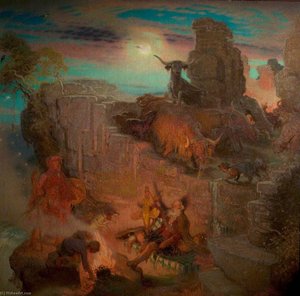
william shackleton
1872 - 1933
Quick Facts
- Artistic Movement Or Style: Early 20th Century Art
- Artists Or Movements Influenced By This Artist: ['Romanticism']
- Artists Who Influenced This Artist:
- Benjamin Williams Leader
- Blake Richmond
- Date Of Birth: March 9, 1872
- Date Of Death: November 16, 1933
- Full Name: William Allan Shackleton
- Nationality: British
- Notable Artworks:
- Study of Roses
- The Eternal Dream
- Place Of Birth: Wednesfield, Staffordshire

