 Preview
 Send
Send Share
Share
 Details

 Download
 Similars
 X-Ray
X-Ray Diaporama
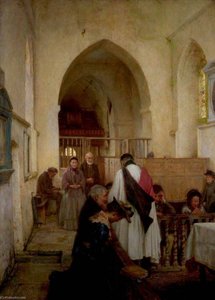
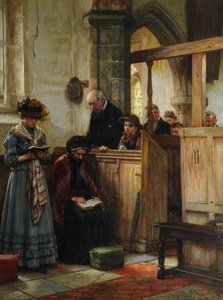
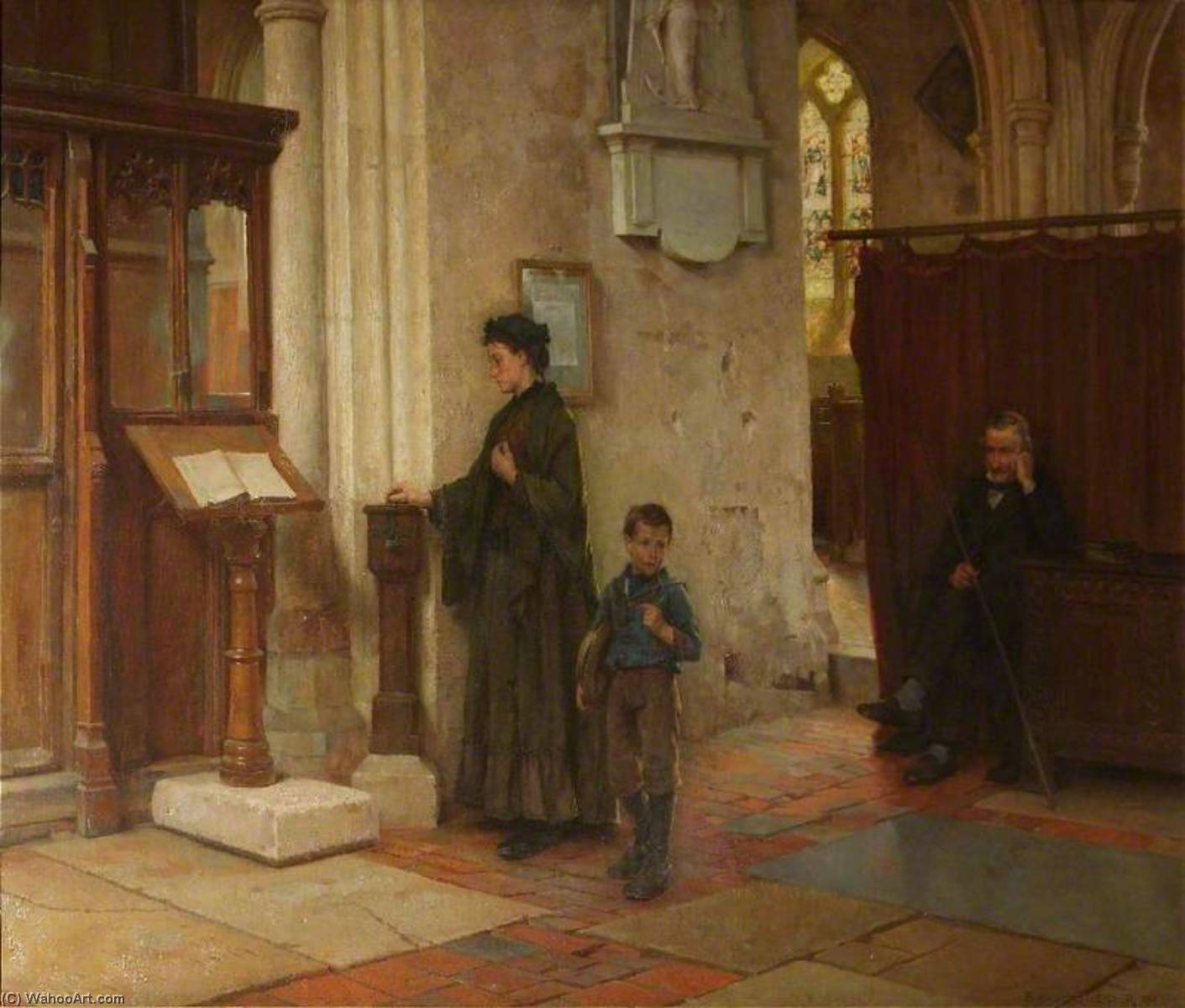
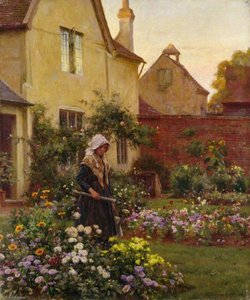
The Widow's Mite
 1890
1890 132.0 x 171.0 cm
 Read More
Hand Made Oil Reproduction
Hand-painted oil on canvas in your size and frame, made to order by our artists. ( Buy Print Buy Image)




































Pick from our preset sizes that match the artwork's original proportions.

You may enter your own dimensions to fit a specific frame or space. If your selected size does not match the original image's proportions, we will either crop the artwork or extend the painting with additional hand-painted elements. A digital mockup will be sent for your approval before production begins.
Please note that the on-screen preview does not reflect the actual cropping or extension. Only the mockup will accurately show the final composition.
While custom sizes are available, we recommend selecting a dimension from the predefined list to preserve the original proportions.
After order, ArtsDot.com team will email client for instructions and provide a mockup preview
Worldwide Delivery () in 3/4 weeks instead of standard 5 weeks. (21 August). No compromise on quality.

Free Worldwide Express Shipping

High-Quality Linen Canvas

Full Shipping Insurance

Customs Tax Refund Guarantee

True Color Matching Guarantee

60-Day Return Policy (Defects Only)

100% Money-Back Guarantee

Bulk Discount Offer
 Glass option is only available in size under 110 CM

The Widow's Mite
Reproduction Medium
Reproduction Size
-


Total Price
$ 263
Artwork Description
Composition and Symbolism
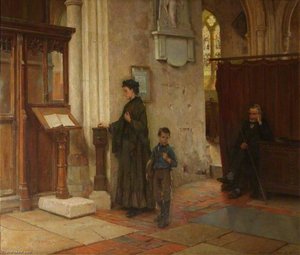
The composition of The Widow's Mite is characterized by a sense of serenity and tranquility. The woman, dressed in a long dress, appears to be praying or reading from a book, while the child looks on with curiosity. The presence of an organ near the left edge of the image adds to the overall atmosphere of reverence and spirituality. The cup placed on a bench in the background may symbolize the widow's mite, a reference to the biblical story of a poor widow who donated her last two coins to the temple. Key Features of the painting include:- The use of warm colors to create a sense of comfort and intimacy
- The attention to detail in the depiction of the church and its surroundings
- The emotional expression on the faces of the characters, particularly the woman and child
Related Artworks
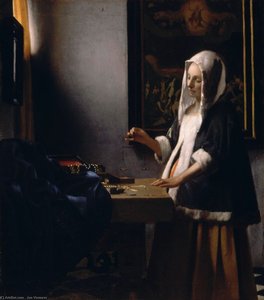
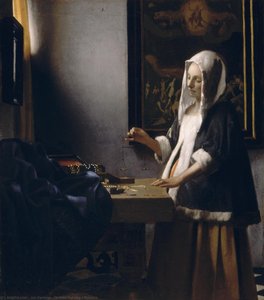
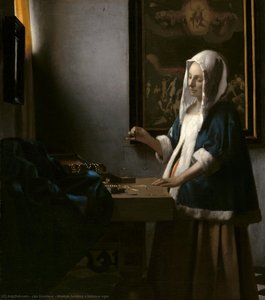
Artist Biography
William Teulon Blandford Fletcher: A Master of English Pastoral Light
William Teulon Blandford Fletcher, a name perhaps less familiar than some of his Newlyn School contemporaries, nevertheless represents a quietly significant voice in late nineteenth and early twentieth-century British art. Born in London in 1858 to a respectable middle-class family – his father an upholsterer – Fletcher’s artistic journey was one marked by both rebellion against familial expectations and a deep engagement with the changing landscape of English painting. His life, spanning nearly eight decades, witnessed profound shifts in artistic styles and social attitudes, and he navigated these changes with a consistent dedication to capturing the serene beauty of rural England, particularly the Devon and Surrey countryside that would become his lifelong subject.
Fletcher’s early artistic training was unconventional. Despite his father's reservations, he enrolled at the South Kensington School of Art, demonstrating an immediate aptitude for drawing and a keen interest in capturing natural forms. This initial formal education provided him with a solid foundation, but it was his travels to Brittany – a region renowned for its vibrant Impressionist movement – that truly ignited his artistic spirit. There, amidst the rugged coastline and picturesque villages, he encountered artists like Stanhope Forbes who were challenging the prevailing academic style and advocating for direct observation of nature. This encounter proved pivotal, shaping Fletcher’s approach to painting and instilling in him a desire to translate the fleeting effects of light and atmosphere onto canvas.
The Newlyn School and Beyond
Fletcher's arrival at the Newlyn School in 1885 marked a crucial turning point. This loosely organized group of artists, centered around the fishing village of Newlyn in Cornwall, represented a radical departure from the established art world. Rejecting the studio-bound practices of traditional academic painting, they embraced *plein air* techniques – working directly outdoors to capture the immediacy of nature. Fletcher’s time at Newlyn was relatively brief, lasting only a year, but it profoundly influenced his artistic development. He collaborated with figures like Albert Chevallier Tayler and Stanhope Forbes, absorbing their innovative approaches while simultaneously forging his own distinctive style.
Unlike some of his more flamboyant colleagues, Fletcher’s work is characterized by a remarkable restraint and subtlety. His paintings are not overtly dramatic or emotionally charged; rather, they possess a quiet dignity and an almost meditative quality. He meticulously observed the nuances of light and shadow, rendering the textures of fields, farms, and cottages with astonishing accuracy. His palette is typically muted – dominated by earthy greens, browns, and blues – creating a sense of atmospheric depth and timelessness. Fletcher’s skill lay in his ability to evoke not just the appearance of a scene but also its underlying mood and character.
Key Works and Recurring Themes
Several paintings stand out as particularly representative of Fletcher's artistic vision. “Evicted” (1887), depicting a family forced from their home, is arguably his most famous work, capturing the poignant dignity of rural poverty with remarkable sensitivity. The painting’s enduring appeal lies in its ability to convey both the hardship of circumstance and the resilience of the human spirit. “Sacrament Sunday” (1897) offers a glimpse into the quiet rhythms of village life, while “The Farm Garden” (1888) celebrates the bounty of the land. These works, along with numerous other landscapes and scenes of rural England, demonstrate Fletcher’s consistent focus on depicting the beauty and tranquility of the countryside.
Recurring themes in Fletcher's oeuvre include the relationship between humanity and nature, the passage of time, and the enduring values of rural communities. He frequently depicted farmers, laborers, and villagers engaged in their daily routines – tending to crops, gathering wood, or simply enjoying a moment of respite. His paintings are not merely representations of landscapes; they are reflections on the lives of those who inhabit them.
Later Years and Legacy
Following his departure from Newlyn, Fletcher continued to paint throughout his life, traveling extensively and establishing homes in various locations – including Dorking and Abingdon. He remained a dedicated artist until his death in 1936, producing a substantial body of work that is now recognized for its quiet beauty and understated elegance. While he never achieved the widespread fame of some of his contemporaries, Fletcher’s paintings are treasured for their authentic portrayal of English rural life and their masterful handling of light and color.
Today, Fletcher's works can be found in public collections across Britain, including the Ashmolean Museum in Oxford and the Penlee House Gallery & Museum in Cornwall. His legacy as a skilled landscape painter and a sensitive observer of human experience endures, reminding us of the enduring power of art to capture the essence of place and time.
william teulon blandford fletcher
1858 - 1936
Quick Facts
- Artistic Movement Or Style: Newlyn School, Landscape
- Artists Or Movements Influenced By This Artist: ['Newlyn School']
- Artists Who Influenced This Artist: ['Stanhope Forbes']
- Date Of Birth: November 8, 1858
- Date Of Death: June 27, 1936
- Full Name: William Teulon Blandford Fletcher
- Nationality: British
- Notable Artworks:
- Evicted
- The Farm Garden
- Sacrament Sunday
- Place Of Birth: London, England