 Preview
 Send
Send Share
Share
 Details

 Download
 Similars
 X-Ray
X-Ray Diaporama
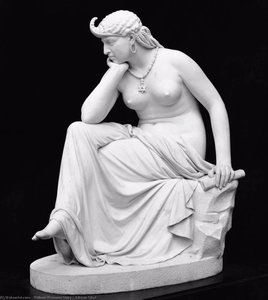
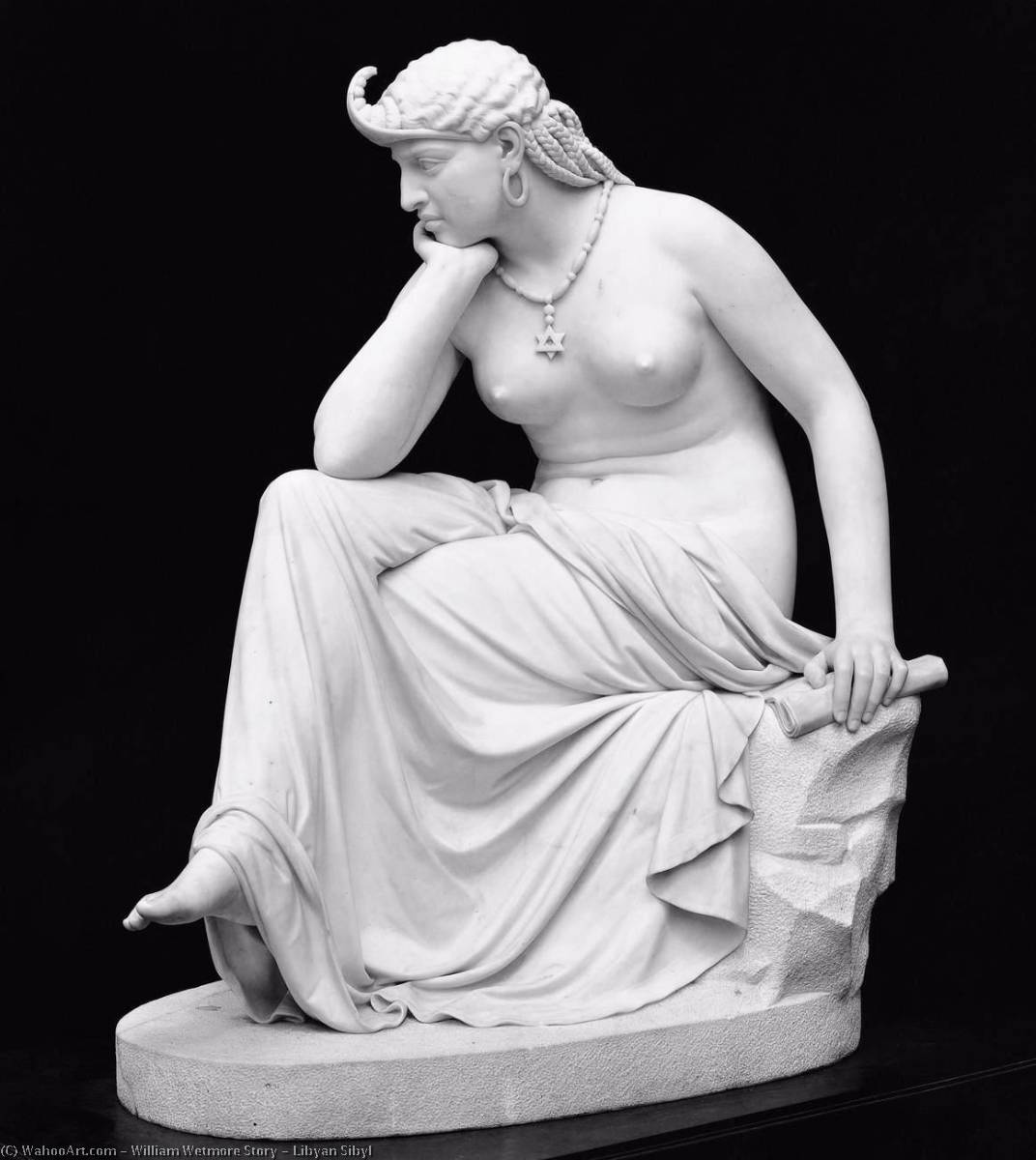
Libyan Sibyl

 Read More
Hand Made Oil Reproduction
Hand-painted oil on canvas in your size and frame, made to order by our artists. ( Buy Print Buy Image)




































Pick from our preset sizes that match the artwork's original proportions.

You may enter your own dimensions to fit a specific frame or space. If your selected size does not match the original image's proportions, we will either crop the artwork or extend the painting with additional hand-painted elements. A digital mockup will be sent for your approval before production begins.
Please note that the on-screen preview does not reflect the actual cropping or extension. Only the mockup will accurately show the final composition.
While custom sizes are available, we recommend selecting a dimension from the predefined list to preserve the original proportions.
After order, ArtsDot.com team will email client for instructions and provide a mockup preview
Worldwide Delivery () in 3/4 weeks instead of standard 5 weeks. (6 September). No compromise on quality.

Free Worldwide Express Shipping

High-Quality Linen Canvas

Full Shipping Insurance

Customs Tax Refund Guarantee

True Color Matching Guarantee

100-Day Return Policy (Defects Only)

100% Money-Back Guarantee

Bulk Discount Offer
 Glass option is only available in size under 110 CM

Libyan Sibyl
Reproduction Medium
Reproduction Size
-


Total Price
$ 263
Related Artworks








Artist Biography
Gustave Courbet: A Revolutionary of the Real
Gustave Courbet, born in Ornans, eastern France, on June 10, 1819, and tragically dying in La Tour-de-Peilz, Switzerland, on December 31, 1877, was more than just a painter; he was a catalyst. A pivotal figure in the development of modern art, Courbet irrevocably challenged the established norms of the French Salon system and ushered in the era of Realism. His life story is intertwined with artistic rebellion, social commentary, and an unwavering commitment to depicting the world as he saw it – unidealized, gritty, and profoundly human.
Courbet’s early years were marked by a pragmatic upbringing. His father, a prosperous farmer, recognized his son's artistic talent and, defying societal expectations, supported his ambition to pursue painting. This familial encouragement provided the foundation for Courbet’s dedication, allowing him to immerse himself in art rather than the expected path of law or commerce. He initially honed his skills by meticulously copying works by masters like Velázquez and Ribera, absorbing their techniques while simultaneously developing a distinct style. The rejection of these established artists' styles was a key element in Courbet’s later work.
The Rise of Realism and Salon Rejection
Courbet’s artistic journey took a dramatic turn with the 1848 Revolution, which profoundly impacted French society and art. The upheaval led to the establishment of the Second Republic, fostering a spirit of social change and challenging traditional hierarchies. Courbet seized upon this moment, rejecting the romanticized narratives favored by the Académie des Beaux-Arts and embracing a new approach: Realism. He sought to depict everyday life – peasants, laborers, and ordinary people – with honesty and unflinching detail, eschewing idealized beauty in favor of portraying the realities of his time.
However, this radical shift was met with fierce resistance from the Salon jury. For years, Courbet’s paintings were repeatedly rejected, deemed too coarse, vulgar, and lacking in artistic merit. His monumental canvases, such as *The Painter's Studio* (1855), depicting a working-class artist at his workbench, were particularly controversial. The rejection of these works wasn’t simply about aesthetics; it represented a fundamental clash between Courbet’s vision and the conservative values upheld by the art establishment. This persistent dismissal fueled his determination to break free from artistic constraints and establish his own independent voice.
Major Works and Artistic Innovations
Despite the Salon's disapproval, Courbet continued to produce a prolific body of work that cemented his legacy as a revolutionary artist. *A Burial at Ornans* (1849-50), a monumental painting depicting a rural funeral, is arguably his most famous achievement. The sheer scale of the canvas – unprecedented for a Salon entry – and its unflinching portrayal of death and mourning shocked viewers and critics alike. The painting’s realism, combined with its meticulous detail and dramatic composition, demonstrated Courbet's mastery of technique and his ability to capture the essence of human experience.
Other notable works include *The Stone Breakers* (1849), a powerful depiction of two laborers engaged in backbreaking work, highlighting the plight of the working class. *Property at La Grenouillère* (1867) is another significant painting that challenged conventional notions of subject matter by depicting a group of ordinary people enjoying themselves at a popular riverside café. Courbet’s use of color was also innovative; he favored dark, earthy tones and employed a technique known as “alla prima,” working directly on the canvas without preliminary sketches, resulting in vibrant, immediate effects.
Influence and Legacy
Gustave Courbet's impact on the course of art history is undeniable. He shattered the conventions of academic painting and paved the way for subsequent movements such as Impressionism and Post-Impressionism. His commitment to depicting reality, his rejection of idealized beauty, and his focus on social issues inspired generations of artists to challenge established norms and explore new forms of expression.
Courbet’s work continues to resonate with audiences today, reminding us of the importance of confronting difficult truths and celebrating the dignity of ordinary people. He left behind a body of art that is both visually stunning and profoundly meaningful, solidifying his place as one of the most important figures in modern art.

william wetmore story
1819 - 1895
Quick Facts
- Artistic Movement Or Style: Realism
- Artists Or Movements Influenced By This Artist:
- Impressionism
- Cubism
- Artists Who Influenced This Artist:
- Velázquez
- Ribera
- Date Of Birth: June 10, 1819
- Date Of Death: December 31, 1877
- Full Name: Gustave Courbet
- Nationality: French
- Notable Artworks:
- A Burial at Ornans
- The Stone Breakers
- Olympia
- Place Of Birth: Ornans, France