 Preview
 Send
Send Share
Share
 Details

 Download
 Similars
 X-Ray
X-Ray Diaporama
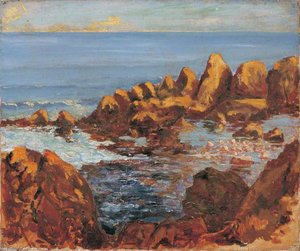
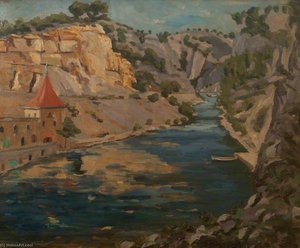
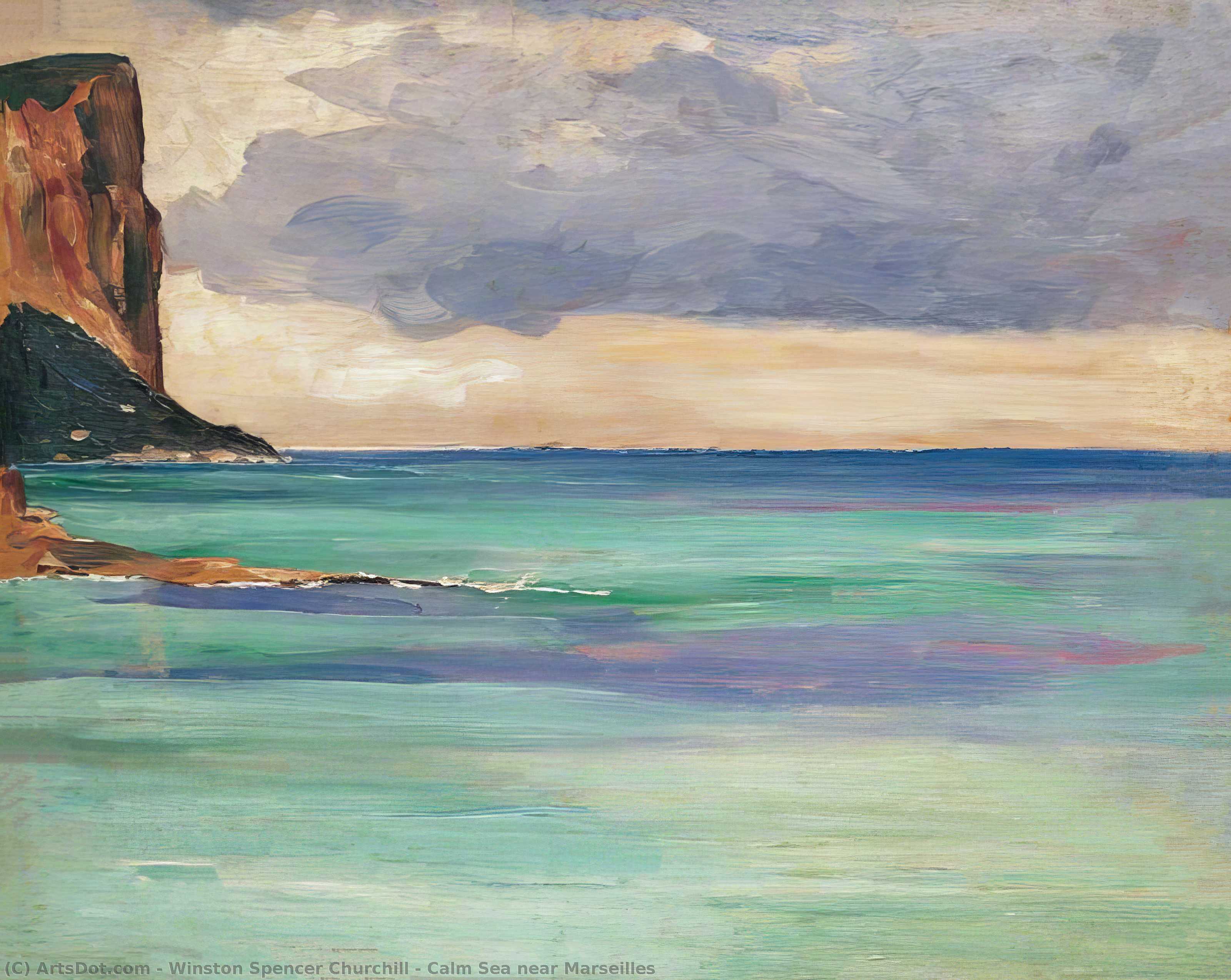
Calm Sea near Marseilles
 1926
1926 33.0 x 41.0 cm
 Read More
Hand Made Oil Reproduction
Hand-painted oil on canvas in your size and frame, made to order by our artists. ( Buy Print Buy Image)




































Pick from our preset sizes that match the artwork's original proportions.

You may enter your own dimensions to fit a specific frame or space. If your selected size does not match the original image's proportions, we will either crop the artwork or extend the painting with additional hand-painted elements. A digital mockup will be sent for your approval before production begins.
Please note that the on-screen preview does not reflect the actual cropping or extension. Only the mockup will accurately show the final composition.
While custom sizes are available, we recommend selecting a dimension from the predefined list to preserve the original proportions.
After order, ArtsDot.com team will email client for instructions and provide a mockup preview
Worldwide Delivery () in 3/4 weeks instead of standard 5 weeks. (28 August). No compromise on quality.

Free Worldwide Express Shipping

High-Quality Linen Canvas

Full Shipping Insurance

Customs Tax Refund Guarantee

True Color Matching Guarantee

60-Day Return Policy (Defects Only)

100% Money-Back Guarantee

Bulk Discount Offer
 Glass option is only available in size under 110 CM

Calm Sea near Marseilles
Reproduction Medium
Reproduction Size
-


Total Price
$ 263
Composition and Technique
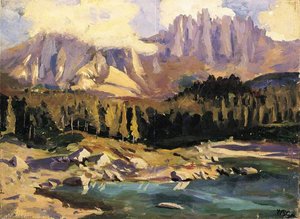
"Calm Sea near Marseilles" is an oil on canvas painting created in 1926, measuring 33 x 41 cm. The scene depicts a peaceful sea with several boats scattered across the water, creating depth and perspective. A rocky cliff in the background adds drama to the otherwise calm atmosphere. Churchill's use of color and composition creates a well-balanced visual experience.Artistic Influences
Churchill's artistic style was influenced by various artists, including Claude Monet, known for his Impressionist works like Claude Monet: The White Water Lilies. This influence is evident in the way Churchill captures light and color in "Calm Sea near Marseilles."Historical Context
The year 1926 was significant for both Churchill's artistic endeavors and his political career. It was also the year when The University of Reading received its royal charter, as documented by The Museum The University of Reading (Reading, United Kingdom).Comparison with Other Artists
Churchill's work can be compared to other artists who captured similar themes. For example, Oskar Kokoschka's Oskar Kokoschka: Londres, vue large de la Tamise I, London, broad sight of the Thames I also depicts a serene water scene with a cityscape in the background.Conclusion
"Calm Sea near Marseilles" by Winston Spencer Churchill is a testament to his artistic talent and ability to capture the beauty of nature. The painting's composition, influenced by Impressionist techniques, creates a visually appealing and peaceful scene. For those interested in exploring more artworks, Oskar Kokoschka: Londres, vue large de la Tamise I and Claude Monet: The White Water Lilies are notable examples. Churchill's artistic legacy, though overshadowed by his political achievements, is a significant contribution to the world of art. "Calm Sea near Marseilles" stands as a beautiful representation of his skill and appreciation for nature.Related Artworks









Artist Biography
A Statesman’s Canvas: The Unexpected Artistic Life of Winston Spencer Churchill
Winston Spencer Churchill, a name synonymous with resilience, leadership, and the tumultuous years of the 20th century, harbored a secret passion that extended far beyond the political arena – he was a dedicated and prolific painter. While history remembers him as the Prime Minister who steered Britain through World War II, his artistic endeavors reveal a deeply sensitive soul seeking solace, expression, and a unique perspective on the world around him. Born in 1874, Churchill didn’t begin painting until relatively late in life, at the age of forty-one. A chance encounter with Sir John Lavery, who encouraged him to pick up a brush during a holiday in France, ignited a lifelong pursuit that would see him create over 500 canvases. This wasn't merely a hobby for Churchill; it was an essential outlet, a form of therapy, and a profound source of personal fulfillment. He often remarked that painting was the one activity that allowed him to truly relax and escape the pressures of public life.From Battlefield to Brushstroke: Early Influences & Development
Churchill’s early artistic attempts were admittedly hesitant, reflecting his late start and lack of formal training. However, he approached painting with the same tenacity and determination that characterized his political career. Initially influenced by Impressionism, particularly the works of Monet and Sisley, his palette was initially bright and airy, focusing on landscapes and gardens. He found inspiration in the countryside estates of friends and family, notably Chartwell, his beloved home in Kent. The rolling hills, lush foliage, and tranquil ponds became recurring motifs in his early work. He wasn’t interested in replicating reality with photographic precision; rather, he sought to capture the *feeling* of a place, the quality of light, and the emotional resonance it evoked. His technique was often described as bold and expressive, favoring thick impasto and vibrant colors. He embraced a direct approach, painting *en plein air* whenever possible, immersing himself in the environment he depicted. This period saw him experiment with various mediums, including oil and watercolor, gradually developing his own distinctive style – one that prioritized atmosphere and personal interpretation over technical perfection.Themes of Resilience & British Identity
As Churchill’s artistic confidence grew, so too did the complexity of his subject matter. While landscapes remained a constant source of inspiration, he began to explore interior scenes, still lifes, and even portraits. However, it was his depictions of buildings – particularly those with historical significance or symbolic weight – that truly revealed his deeper concerns. He frequently painted Chartwell itself, transforming it into a visual representation of stability, continuity, and the enduring spirit of England. His paintings often feature robust structures standing firm against challenging weather conditions, subtly mirroring his own unwavering resolve during times of national crisis. The gardens at Chartwell, meticulously cultivated and lovingly rendered, became symbols of hope and renewal. Beyond Chartwell, he painted scenes from Morocco, Italy, and France, but always returned to the landscapes of Britain, imbuing them with a sense of patriotic pride and a deep connection to his homeland. His art wasn’t simply about aesthetics; it was a visual testament to the values he held dear – courage, tradition, and the beauty of the British countryside.A Legacy Beyond Politics: Recognition & Historical Significance
Despite initial skepticism from some critics who dismissed his work as the amateur dabblings of a busy politician, Churchill’s paintings gradually gained recognition. He exhibited under pseudonyms – “Winston Spencer” and simply “Spencer” – to avoid prejudice based on his fame. In 1947, the Royal Academy of Arts held a major exhibition of his works, which received surprisingly positive reviews. The public was captivated by the raw energy and emotional honesty of his paintings. Today, Churchill’s art is celebrated not only for its aesthetic qualities but also for offering a unique insight into the mind of one of history's most iconic figures. His canvases provide a glimpse beyond the formidable statesman, revealing a man who found solace in creativity, beauty in nature, and profound meaning in the act of painting itself. His work stands as a testament to the power of art as a form of self-expression, resilience, and enduring legacy.- Over 500 paintings created throughout his life.
- Exhibited under pseudonyms to avoid bias.
- Major exhibition at the Royal Academy in 1947.
The Enduring Appeal of a Unique Vision
Winston Spencer Churchill’s artistic journey is a remarkable story of late-blooming passion, unwavering dedication, and the transformative power of creativity. He wasn't striving to be a master painter in the traditional sense; he was simply seeking to capture his own unique vision of the world – a vision shaped by his experiences, his values, and his profound love for Britain. His paintings offer a rare and intimate glimpse into the soul of a man who faced extraordinary challenges with courage and determination. They remind us that even amidst the complexities of politics and war, there is always room for beauty, expression, and the enduring power of art to heal, inspire, and connect us to something larger than ourselves. His legacy extends far beyond his political achievements; it encompasses a vibrant body of work that continues to captivate and resonate with audiences today, solidifying his place as both a historical icon and an accomplished artist in his own right.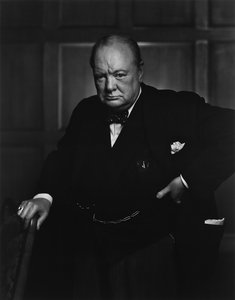
winston spencer churchill
1874 - 1965