

 Preview
 Send
Send Share
Share
 Details

 Download
 Similars
 X-Ray
X-Ray Diaporama
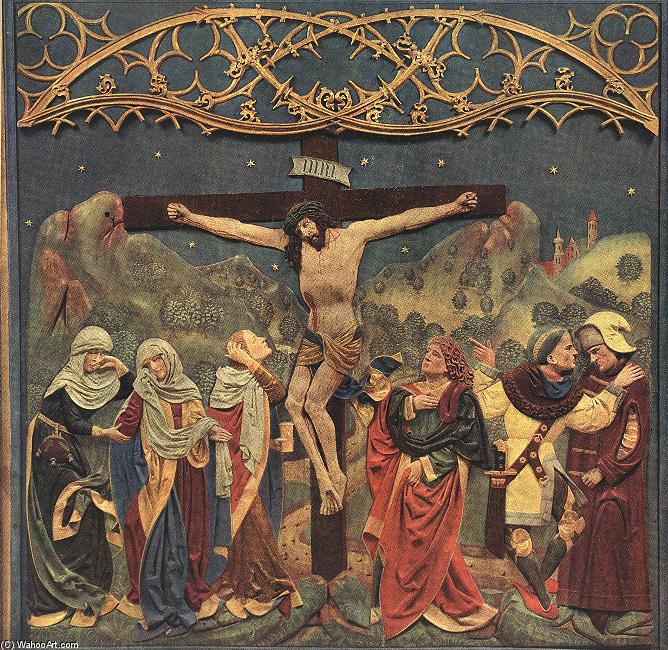
High Altar of St Mary (Crucifixion)


 Read More
Purchase a high-resolution, enhanced digital image, far superior to the online preview.
Each file is meticulously prepared by our in-house specialists using advanced tools and expert manual retouching. We ensure every image has exceptional clarity, precise color accuracy, and fine detail.
The final file is delivered via email within 72 hours, optimized for immediate use in professional, editorial, and print environments. This is the same quality trusted by top-tier design studios, publishers, and galleries.
Digital Image
Download a high-resolution file for personal display, printing, and creative projects. ( Buy Print Buy Hand Made Painting)
Included in Every Digital Image Order
Expert Digital Delivery, Guaranteed
When you choose ArtsDot.com, you're not just getting an image - you're receiving a professionally enhanced digital artwork, crafted with precision and backed by a satisfaction guarantee. Here's everything that comes with your order, automatically:

Fast Email Delivery
Your high-resolution digital image file will be emailed to you within 72 hours of ordering - ready for immediate use.

AI-Enhanced Digital File
Your artwork is professionally optimized using advanced AI tools and manual editing, ensuring maximum detail, clarity, and color accuracy.

Free Lifetime Re-Delivery
Accidentally deleted or lost your file? No worries - we'll resend it to you anytime, free of charge.

No Import Fees - Ever
Enjoy your artwork instantly with zero customs, duties, or delivery fees - digital downloads are always tax-free.

Color Accuracy Guarantee
We ensure your digital image reflects the original colors as closely as possible using professional tools and color management.

60-Day Satisfaction Guarantee
If you're not satisfied with your digital image, we'll revise it or refund 100% within 60 days - no questions asked.

100% Money-Back Guarantee
Not satisfied? Get a full refund within 60 days of receiving your digital file - no questions asked.

Bulk Order Discounts
Buy 3 images, save 10% - Buy 5, save 15% - Buy 10+, save 20%. Great for creative projects, galleries, and agencies.
Collectible Description
A Masterpiece Forged in Wood and Faith
The High Altar of St Mary (Crucifixion), crafted by the renowned German sculptor Wit Stwosz between 1477 and 1489, stands as a monumental achievement of late Gothic art. More than simply a religious depiction, it’s a profound exploration of human emotion rendered in intricately carved wood – a testament to the artist's skill and the era’s fervent devotion. Located within the magnificent St Mary’s Basilica in Kraków, Poland, this altarpiece immediately commands attention with its sheer scale and dramatic intensity, drawing viewers into a world of sorrow, faith, and ultimately, hope.
Stwosz, working during a period of transition between the late Gothic and early Renaissance styles, masterfully blended the emotional depth characteristic of the former with emerging elements of realism. His workshop employed a diverse range of woods – sturdy oak for the structural framework, lighter larch for the background panels, and supple linden for the figures themselves – each chosen to contribute to the overall effect. The meticulous detail evident in every panel, from the folds of drapery to the expressions on the faces of the apostles, speaks volumes about Stwosz’s dedication and technical prowess.
The Drama of the Crucifixion
At the heart of the altarpiece lies a powerfully evocative depiction of the crucifixion. Jesus Christ is presented not as a passive victim, but as a figure of immense suffering, his body contorted in agony, arms outstretched in a gesture of profound surrender. The surrounding figures – Mary, John the Evangelist, and the other apostles – are rendered with an almost palpable sense of grief and despair. Stwosz’s genius lies in his ability to convey not just the physical pain of Christ's sacrifice, but also the emotional weight of it for those who witness it.
The composition is carefully orchestrated to heighten the drama. The figures are arranged on a stage-like plane, creating a sense of immediacy and drawing the viewer into the scene. The use of light and shadow further emphasizes the emotional intensity, highlighting Christ’s suffering while casting an aura of solemnity over the entire tableau. Notably, Stwosz departed from traditional depictions by portraying the figures as individuals, each with distinct expressions and gestures, rather than stylized representations. This humanization of the biblical narrative was a bold move for its time.
Symbolism Woven into Wood
Beyond the central scene of the crucifixion, the altarpiece is rich in symbolic detail. The “Tree of Jesse,” a depiction of Christ’s ancestral lineage, dominates the predella – the lower panel beneath the main altar. This imagery served as a reminder of God's promise and the fulfillment of prophecy through Jesus Christ. The twelve panels on the outer wings depict key events from the lives of Mary and Jesus, reinforcing their roles as central figures in Christian faith. The use of color is also significant; gold, representing divine light and eternity, is prominently featured, particularly in the depiction of the ascension into heaven.
The choice of materials themselves carries symbolic weight. The use of different types of wood – hard oak for strength, lighter larch for background, and supple linden for figures – reflects a deliberate attempt to convey both physical and spiritual qualities. Furthermore, the meticulous carving of drapery, with its billowing folds and intricate details, suggests not only the physicality of clothing but also the flow of divine grace.
A Legacy of Emotion and Art
The High Altar of St Mary is more than just a religious artwork; it’s a profound expression of human emotion and artistic skill. Its enduring power lies in its ability to evoke empathy, contemplation, and a sense of awe. Recovered after being shipped to Germany during World War II, the altarpiece's restoration represents not only a triumph of conservation but also a celebration of Polish cultural heritage. Today, it continues to inspire visitors with its beauty, drama, and profound spiritual message – a timeless masterpiece that embodies the spirit of the late Gothic era.
Related Artworks
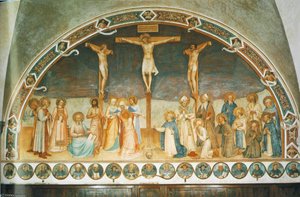
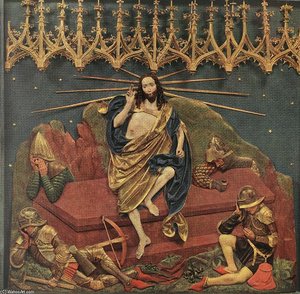
Artist Biography
The Emotional Drama of Wit Stwosz
To stand before the works of Wit Stwosz, or Veit Stoß, is to encounter a profound surge of human emotion captured in wood. This German master sculptor, whose life spanned the tumultuous transition between the late Gothic and the burgeoning Northern Renaissance, did not merely carve figures; he breathed life into them. His artistry was deeply rooted in the dramatic fervor of his time, imbuing his wooden creations with an almost palpable sense of pathos. Though details of his early apprenticeship remain shrouded in the mists of history, it is clear that from his formative years, he absorbed the rigorous discipline of the German workshop tradition, mastering techniques that allowed him to transform solid timber into vessels of spiritual narrative.
Mastery of Material and Movement
Stwosz’s technical brilliance lay in his unparalleled ability to manipulate wood. His signature achievement was the rendering of drapery—the way cloth falls, billows, and clings to a form is treated not as mere covering, but as an active participant in the drama unfolding within the sculpture. This virtuoso carving style has led art historians to coin terms like "late Gothic baroque," recognizing how he infused the rigid structures of earlier styles with a dynamic, almost restless energy. His figures seem caught mid-gesture, their robes swirling as if moved by an unseen divine wind. This emphasis on movement and emotional intensity marks him as a pivotal figure whose work bridged stylistic epochs.
Iconography and Enduring Legacy
While his influence permeated the artistic currents of his era, it is perhaps impossible to discuss Stwosz without acknowledging the monumental altarpiece housed in St. Mary's Basilica in Kraków, Poland. This piece stands as a towering testament to his genius, showcasing the narrative complexity and emotional depth that defined his career. Beyond this masterpiece, surviving works such as The Virgin and Child with St Anne continue to demonstrate his profound understanding of sacred iconography. His ability to imbue religious subjects with such intense human feeling ensured that his legacy resonated far beyond the workshops of Germany.
A Bridge Between Eras
Wit Stwosz’s significance cannot be overstated; he was an artist who navigated a period of immense cultural upheaval. He took the spiritual intensity and detailed naturalism characteristic of the late Gothic period and infused it with a burgeoning Renaissance sense of humanism, all while maintaining a uniquely German emotional fervor. His commitment to capturing the inner life—the yearning, the sorrow, the divine ecstasy—through the tangible medium of wood secured his place as a master craftsman whose vision continues to challenge and move contemporary viewers alike.
wit stwosz
1447 - 1533 , Germany
Quick Facts
- Artistic Movement Or Style: Late Gothic & Northern Renaissance
- Artists Or Movements Influenced By This Artist: ['Later sculptors']
- Artists Who Influenced This Artist: ['Late Gothic artists']
- Date Of Birth: Before 1450
- Date Of Death: 20 September 1533
- Full Name: Wit Stwosz (Veit Stoß)
- Nationality: German
- Notable Artworks:
- Virgin and Child with St Anne
- High Altar of St Mary (Resurrection)
- High Altar of St Mary (Crucifixion)
- Place Of Birth: Horbach, Germany

