

 Preview
 Send
Send Share
Share
 Details

 Download
 Similars
 X-Ray
X-Ray Diaporama
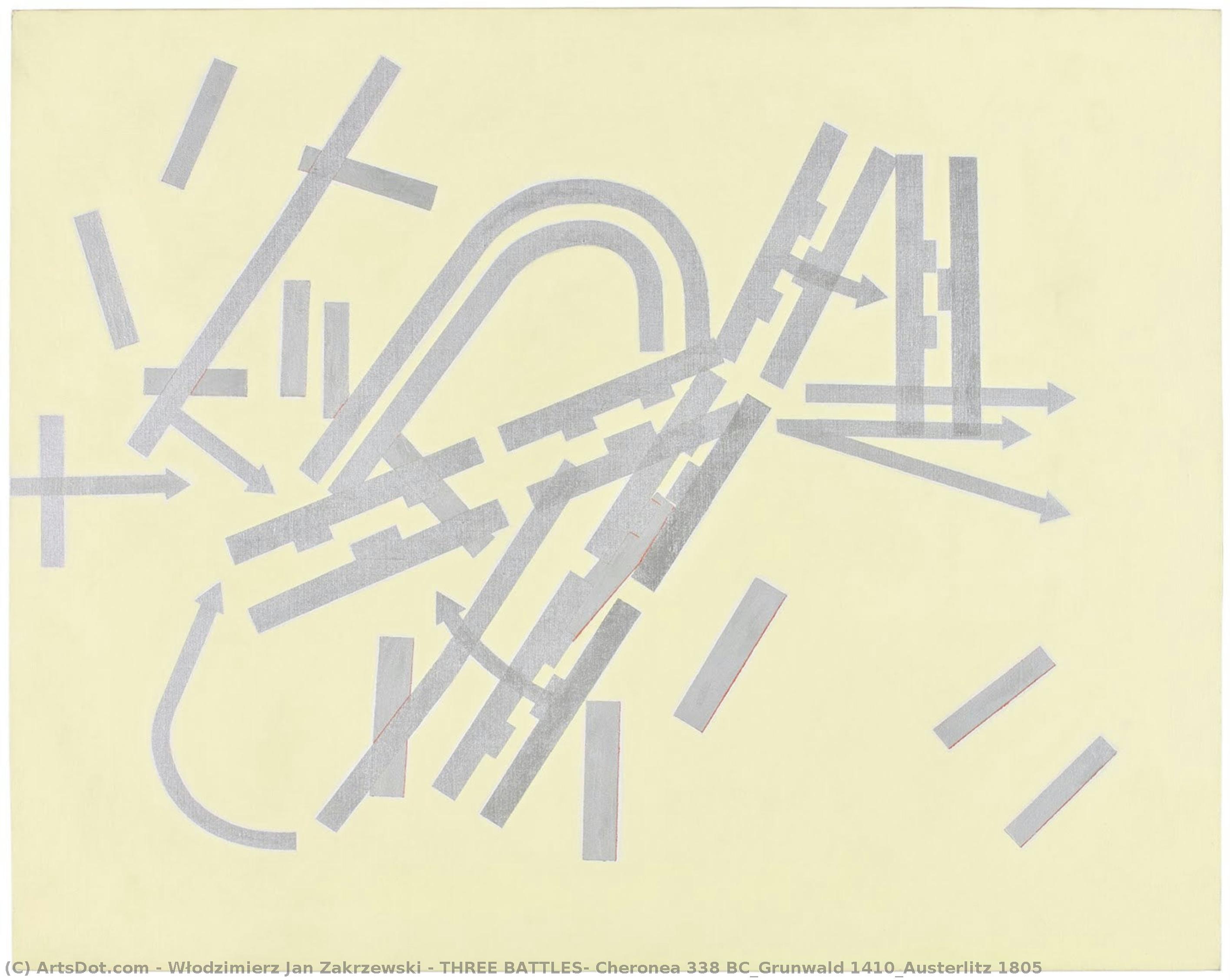
THREE BATTLES: Cheronea 338 BC_Grunwald 1410_Austerlitz 1805
 92.0 x 73.0 cm
 Centre of Contemporary Art Znaki Czasu
 Read More
Purchase a high-resolution, enhanced digital image, far superior to the online preview.
Each file is meticulously prepared by our in-house specialists using advanced tools and expert manual retouching. We ensure every image has exceptional clarity, precise color accuracy, and fine detail.
The final file is delivered via email within 72 hours, optimized for immediate use in professional, editorial, and print environments. This is the same quality trusted by top-tier design studios, publishers, and galleries.
Digital Image
Download a high-resolution file for personal display, printing, and creative projects. ( Buy Print Buy Hand Made Painting)
Included in Every Digital Image Order
Expert Digital Delivery, Guaranteed
When you choose ArtsDot.com, you're not just getting an image - you're receiving a professionally enhanced digital artwork, crafted with precision and backed by a satisfaction guarantee. Here's everything that comes with your order, automatically:

Fast Email Delivery
Your high-resolution digital image file will be emailed to you within 72 hours of ordering - ready for immediate use.

AI-Enhanced Digital File
Your artwork is professionally optimized using advanced AI tools and manual editing, ensuring maximum detail, clarity, and color accuracy.

Free Lifetime Re-Delivery
Accidentally deleted or lost your file? No worries - we'll resend it to you anytime, free of charge.

No Import Fees - Ever
Enjoy your artwork instantly with zero customs, duties, or delivery fees - digital downloads are always tax-free.

Color Accuracy Guarantee
We ensure your digital image reflects the original colors as closely as possible using professional tools and color management.

60-Day Satisfaction Guarantee
If you're not satisfied with your digital image, we'll revise it or refund 100% within 60 days - no questions asked.

100% Money-Back Guarantee
Not satisfied? Get a full refund within 60 days of receiving your digital file - no questions asked.

Bulk Order Discounts
Buy 3 images, save 10% - Buy 5, save 15% - Buy 10+, save 20%. Great for creative projects, galleries, and agencies.
Collectible Description
Related Artworks
Artist Biography
A Life Painted in Abstraction: The Journey of Włodzimierz Jan Zakrzewski
Born in Łódź, Poland, in 1946, Włodzimierz Jan Zakrzewski emerged as a significant voice within the Polish art scene, navigating the complexities of post-war reconstruction and evolving artistic ideologies. His path wasn’t one of immediate recognition but rather a gradual unfolding of talent nurtured through formal education at the Academy of Fine Arts in Warsaw from 1964 to 1970. This period proved foundational, instilling within him a rigorous technical understanding that would later serve as the bedrock for his increasingly abstract explorations. While many artists of his generation were grappling with the constraints of Socialist Realism, Zakrzewski began subtly charting his own course, experimenting with form and color even amidst prevailing political pressures. Early work hinted at a fascination with the interplay between reality and perception, foreshadowing the evocative landscapes and non-representational compositions that would define his mature style.From Warsaw to the World: A Developing Aesthetic
Zakrzewski’s artistic development wasn't confined by geographical boundaries. His early career saw him involved in filmmaking, creating documentaries focused on art and architecture – a pursuit that undoubtedly sharpened his visual sensibility and deepened his understanding of spatial dynamics. This interest in filmic narrative would later translate into the layered complexity often found within his paintings. A pivotal moment arrived with residencies in Amsterdam in 1978/79 and again in 1982, courtesy of the Stedelijk Museum. These experiences exposed him to a broader international art community and encouraged a bolder embrace of abstraction. The influence of European modernism became increasingly apparent, though Zakrzewski never simply replicated existing styles; instead, he synthesized these influences with his own unique Polish heritage and personal vision. His move to the United States in 1981 marked another turning point, providing him with new perspectives and opportunities for artistic growth. He continued exhibiting extensively throughout Europe and the US, building a reputation for work that was both intellectually stimulating and emotionally resonant. A return to Poland in 2000 solidified his position as a leading figure within the contemporary art landscape of his homeland, where he continues to live and work today.Themes of History and Modernity
Zakrzewski’s oeuvre is characterized by a compelling tension between historical awareness and modernist abstraction. He doesn't depict specific events in a literal sense; rather, he evokes the *feeling* of history – its weight, its ambiguities, its enduring impact on the present. This is particularly evident in works like “Three Battles: Cheronea 338 BC, Grunwald 1410, Austerlitz 1805,” where fragmented forms and dynamic compositions suggest the chaos and grandeur of conflict across different eras. His landscapes, often featuring cityscapes of Warsaw and Paris, are similarly imbued with a sense of memory and place. They aren’t merely representations of physical locations but rather meditations on urban life, cultural identity, and the passage of time. Color plays a crucial role in his work, used not as descriptive element but as a means of conveying mood and emotion. His palette often features rich, saturated hues juxtaposed with more muted tones, creating a sense of depth and complexity.Legacy and Recognition
Włodzimierz Jan Zakrzewski’s contributions to Polish art have been widely recognized through numerous exhibitions in prestigious galleries and museums across Europe and the United States. His work is held in prominent collections including the Museum of Modern Art in Warsaw, the National Museum in Warsaw, and the Museum of Art in Łódź – a testament to his enduring artistic significance. He served as a guest professor at the Painting Department of the Warsaw Academy of Fine Arts from 2015-2016, sharing his knowledge and inspiring a new generation of artists. His influence extends beyond his own paintings, shaping discussions about abstraction, history, and the role of art in contemporary society. Zakrzewski’s ability to synthesize diverse influences – from Polish Realism to European modernism – has resulted in a body of work that is both deeply personal and universally relevant. He stands as a compelling example of an artist who successfully navigated complex political landscapes while remaining true to his own artistic vision, leaving behind a legacy of evocative paintings and graphic works that continue to captivate and inspire.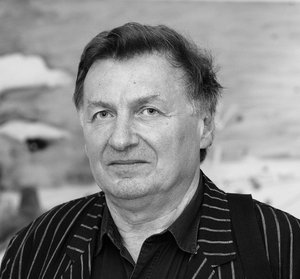
włodzimierz jan zakrzewski
1946 - , Poland
Quick Facts
- Artistic Movement Or Style: Abstract art, Realism
- Current Residence: Warsaw, Poland
- Date Of Birth: 1946
- Full Name: Włodzimierz Jan Zakrzewski
- Nationality: Polish
- Notable Artworks:
- Three Battles
- Still Life with Cards
- Place Of Birth: Łódź, Poland

