 Preview
 Send
Send Share
Share
 Details

 Download
 Similars
 X-Ray
X-Ray Diaporama
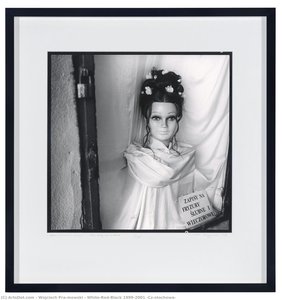
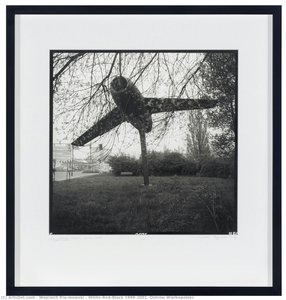
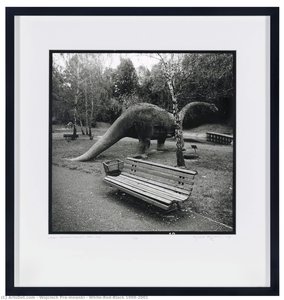
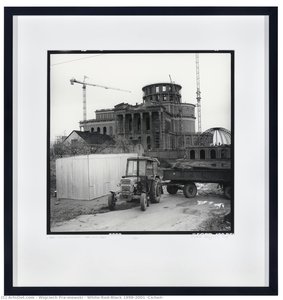
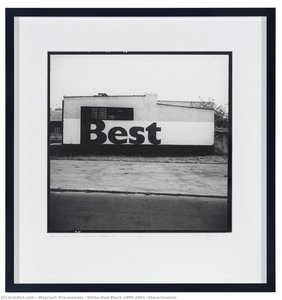
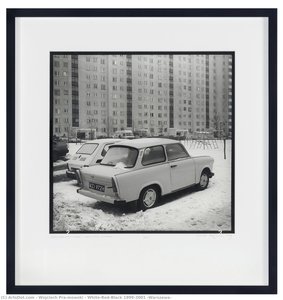
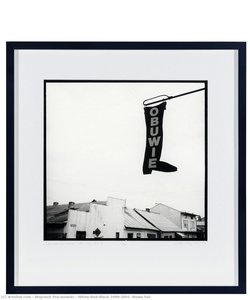
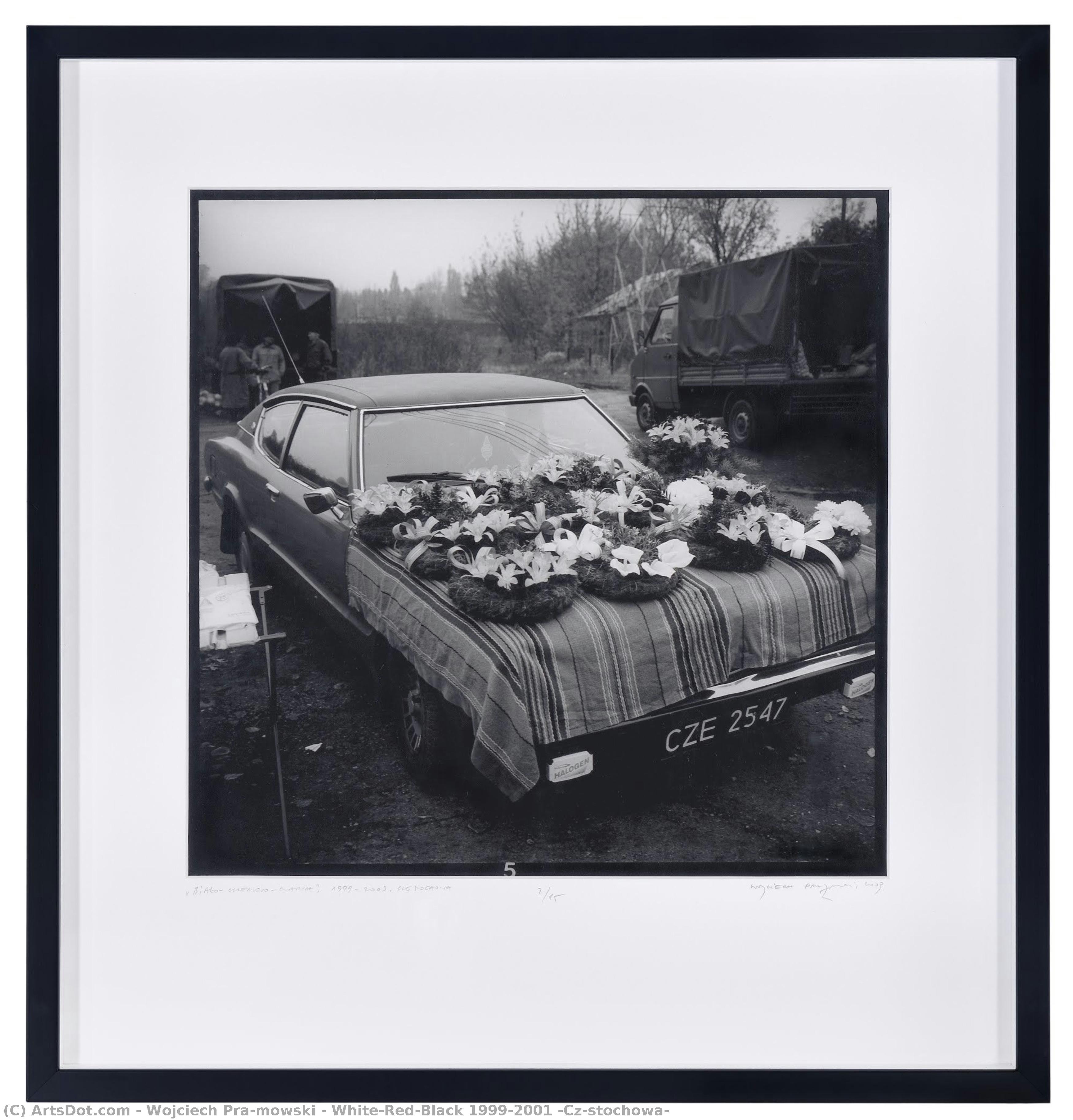
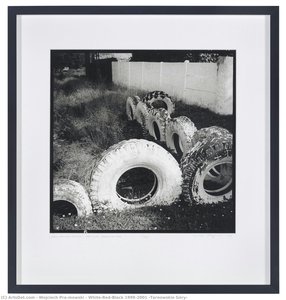
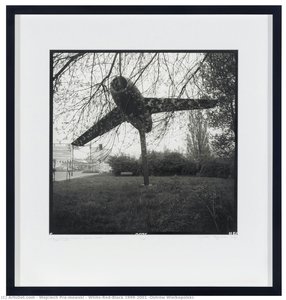
White-Red-Black 1999-2001 (Częstochowa)


 Read More
Giclée / Art Print
Museum-quality giclée or canvas print with fast production and flexible finish options. ( Buy Hand Made Painting Buy Image)




































Pick from our preset sizes that match the artwork's original proportions.

You may enter your own dimensions to fit a specific frame or space. If your selected size does not match the original image's proportions, we will either crop the artwork or extend the image with a mirrored or solid-fill edge. A digital mockup will be sent for your approval before production begins.
Please note that the on-screen preview does not reflect the actual cropping or extension. Only the mockup will accurately show the final composition.
While custom sizes are available, we recommend selecting a dimension from the predefined list to preserve the original proportions.
Worldwide Delivery () in 2 weeks instead of standard 4/5 weeks. (25 August)

Free Worldwide Express Shipping

High-Quality Linen Canvas

Full Shipping Insurance

Customs Tax Refund Guarantee

True Color Matching Guarantee

60-Day Return Policy (Defects Only)

100% Money-Back Guarantee

Bulk Discount Offer
 Glass option is only available in size under 110 CM

White-Red-Black 1999-2001 (Częstochowa)
Giclée / Art Print
Reproduction Size
-


Total Price
$ 63
Related Artworks



Artist Biography
The Poetic Lens of Wojciech Prażmowski
Wojciech Prażmowski stands as a singular figure in Polish art history, blending a profound sense of historical observation with an artistic vision that explores the intersection of industrial heritage and natural forms. Born in 1953 in Częstochowa, Poland, his journey into the visual arts was shaped by a life lived through significant historical transitions. While his early years were marked by the discipline of his surroundings, his professional transition to photography in the late 1980s allowed him to develop a distinctive voice—one that captures the quiet beauty hidden within seemingly unremarkable locations. His work does not merely document; it breathes life into the textures, patterns, and colors often overlooked by the casual observer, elevating industrial landscapes into canvases of poetic contemplation.
The essence of Prażmowski’s practice lies in his ability to find vanishing points—those transient elements in the landscape, small-scale architecture, and urban decorations that mark the passage of time. His early interest in documentary photography, particularly his series documenting Jewish cemeteries, demonstrated an early mastery of moving beyond simple record-keeping toward a more symbolic, evocative form of art. By endowing his subjects with pathos, he transformed the photographic medium into a tool for exploring memory and decay. This evolution reached a pinnacle during his "creative photography" period, where the focus shifted from what is seen to how it is felt, often utilizing traditional silver bromide techniques and sepia toners to imbende his prints with an archival, nostalgic quality.
Industrial Landscapes and Symbolic Narratives
A defining characteristic of Prażmowski’s oeuvre is his fascination with the remnants of Poland's industrial past. He possesses a rare talent for capturing the stark beauty of industrial sites, treating them not as eyesores of a bygone era, but as monumental sculptures. His work often explores the tension between the man-made and the organic, finding a rhythmic harmony in the decay of steel, concrete, and stone. This approach is perhaps most famously realized in his celebrated series, “White-Red-Black,” published around 1999. In this collection, featuring photographs of sculptural benches in Siąporków and Starachowice, he utilizes a striking black and white palette juxtaposed against bold typographic elements.
These works serve as more than mere images; they are meditations on identity and permanence. The use of high contrast and meticulous composition allows the viewer to engage with the formal qualities of the objects—the curve of a bench, the texture of a surface—while simultaneously contemplating the historical weight they carry. Through his lens, the following themes emerge as central to his artistic legacy:
- The Passage of Time: A relentless focus on how decay and transformation endow objects with a new, dignified beauty.
- Industrial Heritage: The elevation of post-communist landscapes into sites of aesthetic and historical significance.
- Visual Contrast: The deliberate use of stark monochrome tones to highlight the structural elegance of his subjects.
- Symbolic Documentation: Moving beyond the literal to find the spiritual or emotional resonance within everyday, provincial reality.
A Legacy of Observation
The historical significance of Wojciech Prażmowski lies in his ability to act as a visual chronicler of a changing nation. As Poland transitioned through the turn of the 21st century, his photography captured the "vanishing points" of a disappearing world. His work resonates with the philosophy that photography is a mournful, decadent art—a testimony to the merciless process of passing away. By focusing on the small-scale and the overlooked, he has provided a vital archive of the textures and symbols that define Polish cultural memory.
Through his exhibitions in galleries from Warsaw to Berlin, Prażmowski has solidified his reputation as an artist who finds the extraordinary within the ordinary. His mastery of light, shadow, and composition ensures that his photographs remain timeless, inviting every viewer to pause and find beauty in the weathered, the worn, and the forgotten. He remains a master of the quiet moment, proving that even the most industrial of landscapes can hold a profound, poetic truth.
wojciech prażmowski
Poland
Quick Facts
- Artistic Movement Or Style: Photography
- Date Of Birth: Living
- Full Name: Wojciech Prażmowski
- Nationality: Polish
- Notable Artworks: ['White-Red-Black']
- Place Of Birth: Poland
Related Articles

White on Canvas: 10 Masterpieces & Timeless Elegance for Your Home Decor
Explore 10 iconic white paintings by Monet, Whistler & Rothko! Discover the stories behind these serene masterpieces and their impact on art history. Find museum-quality reproductions for your home decor at .

Dark Masterpieces: 10 Iconic Paintings Dominated by Black Tones |
Explore 10 iconic paintings dominated by black tones, from Rembrandt’s chiaroscuro to Goya's dark expressions. Discover the stories behind these masterpieces & find museum-quality art reproductions for your home at .

Monochrome Visions: Exploring the Aesthetic & Historical Significance of Black & White Photography
Explore the rich history & artistic power of black and white photography. From early techniques to iconic masters like Ansel Adams, discover why monochrome continues to captivate art lovers today. Expert insights for collectors.

Timeless & Chic: Elevating Your New Home with the Sophistication of Black and White Photography
Transform your new home with the timeless allure of black and white photography. ArtsDot.com specializes in elegant monochrome decor and custom hand-painted wedding portraits that turn cherished milestones into lasting, soulful masterpieces. Elevate your space with ease.
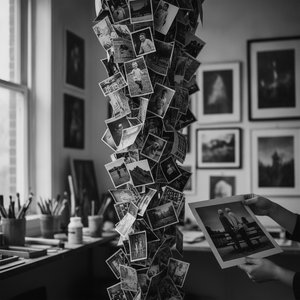
From Snapshot to Statement: Elevating Personal Photography Through Black & White Fine Art Reproduction
Transform cherished photos into timeless black & white fine art with ArtsDot. Our expert artists create museum-quality reproductions – a lasting legacy for your home and family. Discover the artistry today.