

 Preview
 Send
Send Share
Share
 Details

 Download
 Similars
 X-Ray
X-Ray Diaporama
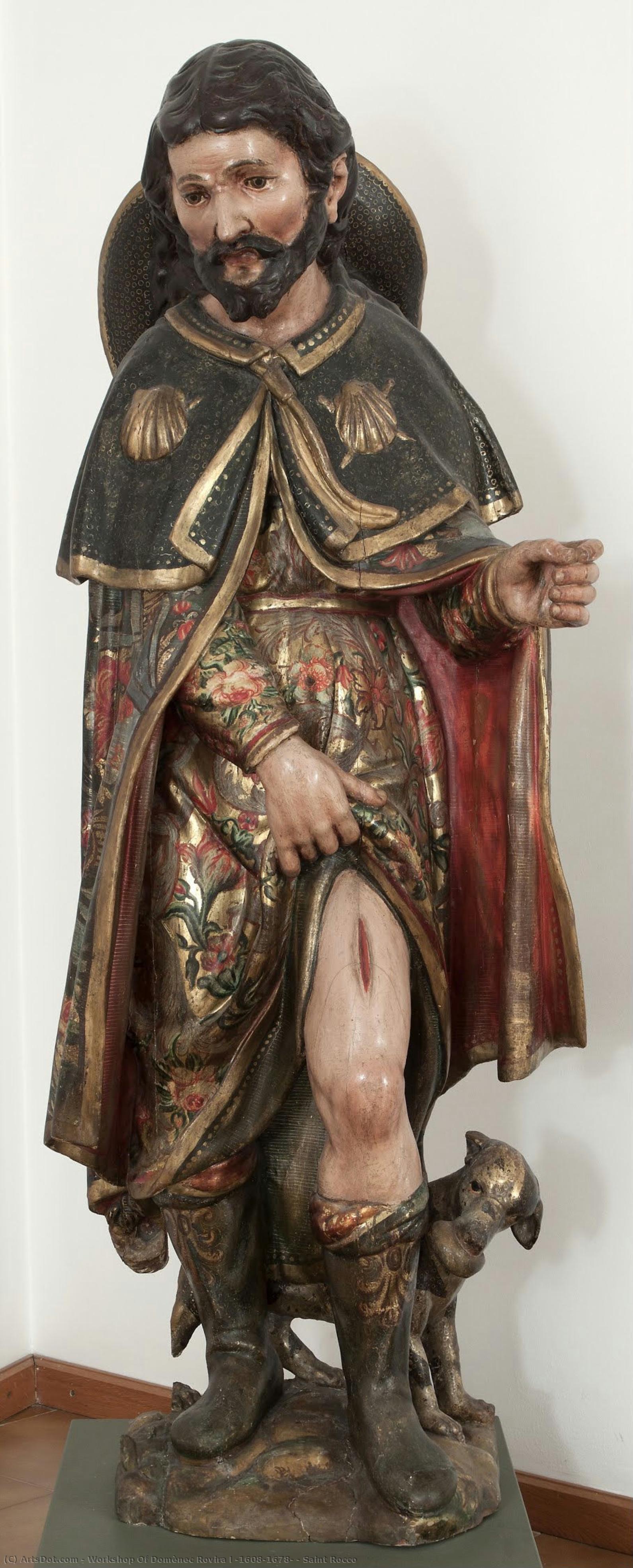
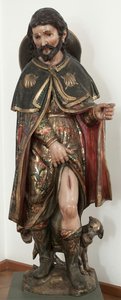
Saint Rocco
 165.0 x 65.0 cm
 Girona Art Museum
 Read More
Purchase a high-resolution, enhanced digital image, far superior to the online preview.
Each file is meticulously prepared by our in-house specialists using advanced tools and expert manual retouching. We ensure every image has exceptional clarity, precise color accuracy, and fine detail.
The final file is delivered via email within 72 hours, optimized for immediate use in professional, editorial, and print environments. This is the same quality trusted by top-tier design studios, publishers, and galleries.
Digital Image
Download a high-resolution file for personal display, printing, and creative projects. ( Buy Print Buy Hand Made Painting)
Included in Every Digital Image Order
Expert Digital Delivery, Guaranteed
When you choose ArtsDot.com, you're not just getting an image - you're receiving a professionally enhanced digital artwork, crafted with precision and backed by a satisfaction guarantee. Here's everything that comes with your order, automatically:

Fast Email Delivery
Your high-resolution digital image file will be emailed to you within 72 hours of ordering - ready for immediate use.

AI-Enhanced Digital File
Your artwork is professionally optimized using advanced AI tools and manual editing, ensuring maximum detail, clarity, and color accuracy.

Free Lifetime Re-Delivery
Accidentally deleted or lost your file? No worries - we'll resend it to you anytime, free of charge.

No Import Fees - Ever
Enjoy your artwork instantly with zero customs, duties, or delivery fees - digital downloads are always tax-free.

Color Accuracy Guarantee
We ensure your digital image reflects the original colors as closely as possible using professional tools and color management.

60-Day Satisfaction Guarantee
If you're not satisfied with your digital image, we'll revise it or refund 100% within 60 days - no questions asked.

100% Money-Back Guarantee
Not satisfied? Get a full refund within 60 days of receiving your digital file - no questions asked.

Bulk Order Discounts
Buy 3 images, save 10% - Buy 5, save 15% - Buy 10+, save 20%. Great for creative projects, galleries, and agencies.
Related Artworks







Artist Biography
Domènec Rovira I: A Sculptor of Baroque Devotion
Domènec Rovira I, active during the vibrant 17th century (1608-1678/79), remains a somewhat enigmatic figure in the landscape of Catalan Baroque sculpture. While biographical details are scarce, his work speaks volumes about the religious fervor and artistic sensibilities of his time. Operating primarily within the Girona region of Spain, Rovira I established himself as a skilled craftsman dedicated to creating powerfully emotive sculptures intended for devotional worship. His workshop became a center for producing altarpiece figures and individual saintly representations that graced churches and chapels throughout Catalonia.
The Artistic Context of 17th-Century Catalonia
To understand Rovira I’s art, one must consider the broader context of 17th-century Catalonia. This period witnessed a flourishing of Baroque artistry, fueled by the Counter-Reformation and the desire to reaffirm Catholic doctrine through visually compelling means. The absolute monarchies across Europe embraced an exuberant artistic language—dynamic compositions, rich ornamentation, and dramatic displays of emotion were hallmarks of the style. Though not a major European center like Rome or Paris, Catalonia developed its own unique Baroque character, often characterized by a more restrained elegance compared to the excesses found elsewhere. Rovira I’s work embodies this Catalan sensibility; his sculptures are undeniably Baroque in their theatricality and polychrome detail, yet they possess a certain groundedness and sincerity that sets them apart.
A Workshop of Skilled Hands
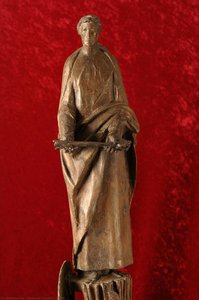
The designation “Workshop Of Domènec Rovira I” is crucial. It suggests that the artist oversaw a collaborative enterprise, likely employing assistants and apprentices to execute his designs. This was common practice in the 17th century, particularly for large-scale projects like altarpieces. The sculptures attributed to his workshop demonstrate a consistent style—a focus on realistic anatomy, expressive faces, and intricate carving of drapery. The use of rich polychrome, often with scratched detailing to simulate gilding, was another defining characteristic. A prime example is Santa Eulalia (?), a stunning piece showcasing the workshop’s mastery of these techniques. The sculpture's floral details further enhance its visual impact and devotional appeal. It’s important to note that identifying works definitively as by Rovira I himself versus his assistants can be challenging, adding to the mystery surrounding his oeuvre.
Themes and Techniques
Rovira I’s sculptures predominantly centered on religious subjects—saints, biblical figures, and scenes from the lives of Christ and the Virgin Mary. These works were not intended as mere aesthetic objects; they served a deeply spiritual purpose, acting as intermediaries between the faithful and the divine. The artist skillfully employed wood carving to create figures that conveyed both physical presence and emotional intensity. The sculptures often feature dynamic poses and dramatic gestures, designed to elicit empathy and inspire prayer. References in documents like those from the Museu d'Art de Girona point to commissions for altarpieces dedicated to St Peter, highlighting the importance of patron saints in Catalan religious life. The artist’s ability to capture the weight and texture of fabric, combined with his attention to anatomical detail, brought a remarkable sense of realism to his creations.
Legacy and Historical Significance
While Domènec Rovira I may not be as widely recognized as some of his contemporaries, his contribution to Catalan Baroque sculpture is significant. His workshop played a vital role in shaping the visual landscape of churches throughout the region, providing devotional images that resonated with local communities for generations. The impact of his style can be seen in the work of later sculptors, and his sculptures continue to be admired today for their artistry and spiritual power. The fact that his works were sometimes attributed alongside others—such as Antoni Rovira and Pau Torrent—suggests a network of artistic collaboration within Girona during this period. Further research into archival documents and stylistic analysis will undoubtedly shed more light on the life and work of this important, yet often overlooked, master of Baroque devotion.
Quick Facts
- Artistic Movement Or Style: Baroque sculpture
- Date Of Birth: 1608
- Date Of Death: 1678
- Full Name: Domènec Rovira I
- Notable Artworks: ['Santa Eulalia (?)']

