

 Preview
 Send
Send Share
Share
 Details

 Download
 Similars
 X-Ray
X-Ray Diaporama
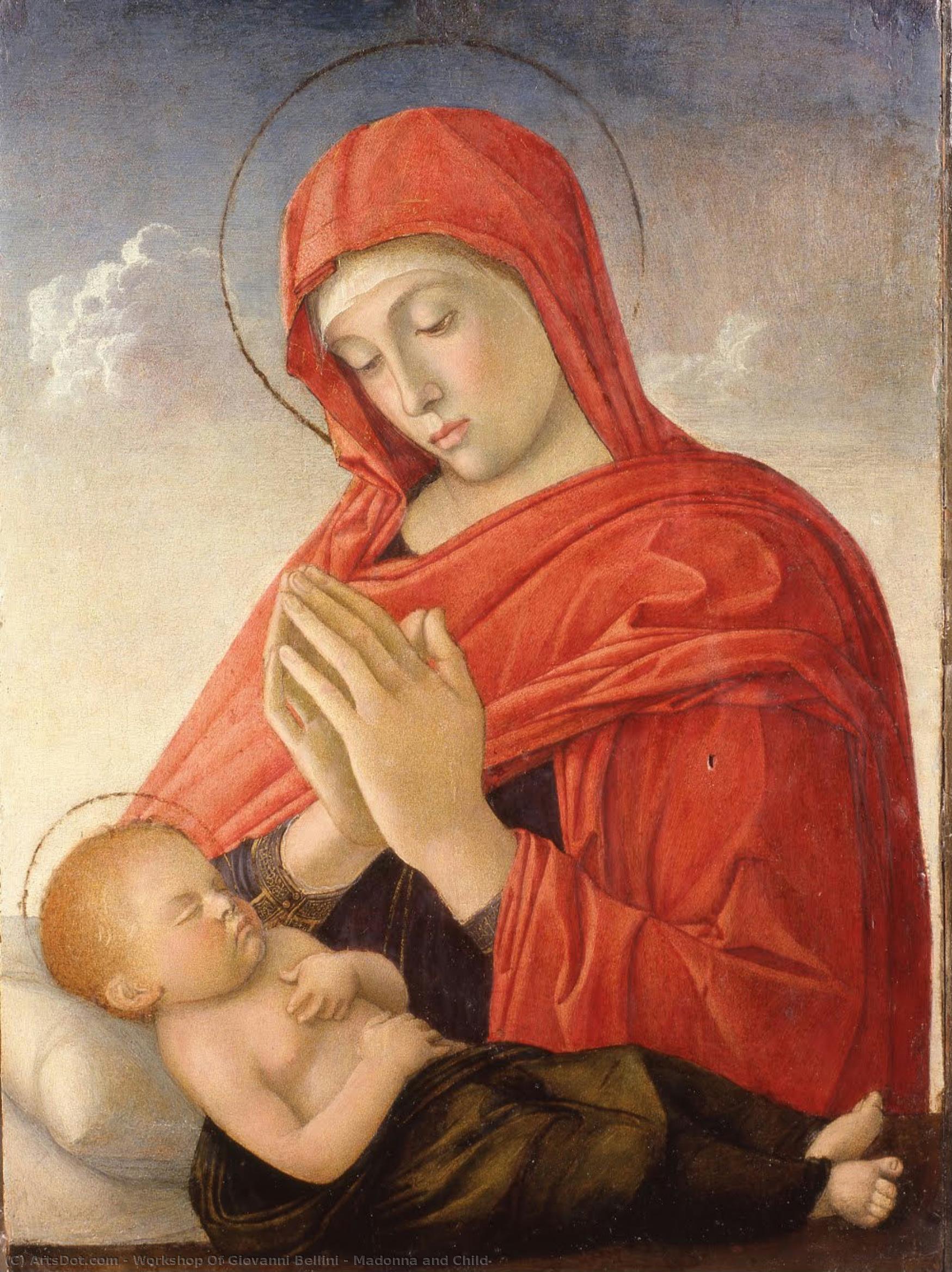
Madonna and Child


 Read More
Purchase a high-resolution, enhanced digital image, far superior to the online preview.
Each file is meticulously prepared by our in-house specialists using advanced tools and expert manual retouching. We ensure every image has exceptional clarity, precise color accuracy, and fine detail.
The final file is delivered via email within 72 hours, optimized for immediate use in professional, editorial, and print environments. This is the same quality trusted by top-tier design studios, publishers, and galleries.
Digital Image
Download a high-resolution file for personal display, printing, and creative projects. ( Buy Print Buy Hand Made Painting)
Included in Every Digital Image Order
Expert Digital Delivery, Guaranteed
When you choose ArtsDot.com, you're not just getting an image - you're receiving a professionally enhanced digital artwork, crafted with precision and backed by a satisfaction guarantee. Here's everything that comes with your order, automatically:

Fast Email Delivery
Your high-resolution digital image file will be emailed to you within 72 hours of ordering - ready for immediate use.

AI-Enhanced Digital File
Your artwork is professionally optimized using advanced AI tools and manual editing, ensuring maximum detail, clarity, and color accuracy.

Free Lifetime Re-Delivery
Accidentally deleted or lost your file? No worries - we'll resend it to you anytime, free of charge.

No Import Fees - Ever
Enjoy your artwork instantly with zero customs, duties, or delivery fees - digital downloads are always tax-free.

Color Accuracy Guarantee
We ensure your digital image reflects the original colors as closely as possible using professional tools and color management.

60-Day Satisfaction Guarantee
If you're not satisfied with your digital image, we'll revise it or refund 100% within 60 days - no questions asked.

100% Money-Back Guarantee
Not satisfied? Get a full refund within 60 days of receiving your digital file - no questions asked.

Bulk Order Discounts
Buy 3 images, save 10% - Buy 5, save 15% - Buy 10+, save 20%. Great for creative projects, galleries, and agencies.
Related Artworks
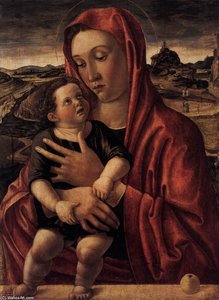
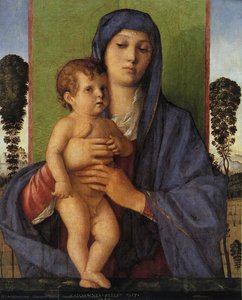

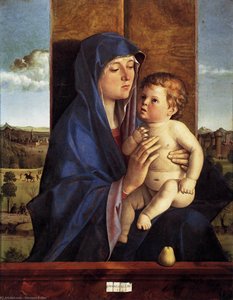
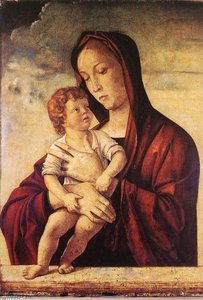
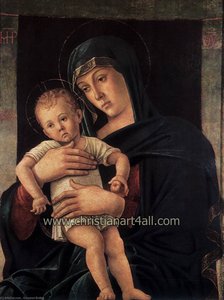
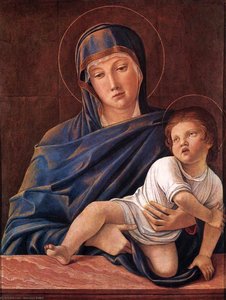
Artist Biography
The Enigmatic Workshop of Giovanni Bellini: A Legacy of Venetian Painting
The name “Workshop of Giovanni Bellini” represents more than a single hand; it embodies a thriving artistic lineage that profoundly shaped the course of Venetian painting during the Renaissance. While Giovanni Bellini himself stands as a towering figure – a master innovator and one of the earliest painters to fully embrace oil paint – understanding his workshop is crucial to appreciating the breadth and depth of 15th-century art in Venice. The workshop wasn’t merely a place for executing commissions; it was a dynamic environment where artistic styles evolved, techniques were refined, and a generation of artists received their formative training. Pinpointing exact authorship within the workshop can be challenging, as assistants often collaborated on projects, contributing elements while working under Bellini's overarching direction. This collaborative spirit resulted in a body of work characterized by both consistent quality and subtle variations that reflect the individual talents nurtured within its walls. The workshop flourished for decades, continuing to produce paintings even after Giovanni’s death in 1516, carrying forward his distinctive aesthetic and cementing his influence on Venetian art for generations to come.Early Influences and Artistic Development
Giovanni Bellini inherited a rich artistic tradition from his father, Jacopo Bellini, and his elder brother Gentile. Jacopo, a respected painter in his own right, instilled in his sons a foundation of meticulous draftsmanship and an appreciation for the International Gothic style prevalent at the time. However, Giovanni quickly surpassed his family’s earlier work, demonstrating a keen interest in the innovations emerging from Florence – particularly the pioneering use of perspective by artists like Masaccio and Donatello. His early paintings reveal a gradual absorption of these Florentine principles, blended with the distinctly Venetian emphasis on rich color and atmospheric effects. The influence of Andrea Mantegna, whom Giovanni met during his visit to Padua in the 1450s, was particularly significant. Mantegna’s mastery of classical antiquity and dramatic foreshortening left a lasting impression on Bellini's compositions and figure studies. Over time, Bellini moved away from the linear precision of his early work, embracing a softer modeling of forms and a more lyrical approach to narrative. This shift coincided with his increasing experimentation with oil paint, which allowed for greater subtlety in color blending and a remarkable luminosity that became a hallmark of his style.The Workshop’s Production: Themes and Techniques
The Workshop of Giovanni Bellini produced an extensive range of paintings, catering to the diverse tastes of Venetian patrons. Religious subjects – Madonnas, altarpieces, and scenes from the lives of saints – formed the core of their output. However, they also created numerous secular works, including portraits, mythological scenes, and decorative panels for domestic interiors. Bellini’s workshop was renowned for its exquisite depictions of fabrics, reflecting Venice's status as a major center of textile production. The use of oil paint allowed the artists to render the textures and folds of drapery with unprecedented realism, creating a sense of opulent materiality. Beyond technical skill, the workshop excelled at conveying emotional depth in their figures. Bellini’s Madonnas, for example, are characterized by a gentle grace and serene beauty that resonated deeply with contemporary audiences. The compositions often feature carefully balanced arrangements of figures and objects, creating harmonious and visually compelling scenes. The workshop also developed a distinctive style of landscape painting, incorporating atmospheric perspective and subtle gradations of color to create evocative backgrounds that enhanced the narrative impact of their works.Legacy and Historical Significance
The Workshop of Giovanni Bellini’s influence extended far beyond Venice. Artists who passed through its doors – including Giorgione, Titian, and Sebastiano del Piombo – went on to become leading figures of the High Renaissance and Venetian School. Titian, arguably the most famous painter of the Venetian Renaissance, began his artistic career as an apprentice in Bellini’s workshop, absorbing its techniques and aesthetic principles before developing his own distinctive style. The workshop's emphasis on color, atmosphere, and emotional expression profoundly shaped the course of Italian painting, paving the way for the dramatic compositions and sensuous forms that characterize Venetian art. Even after Giovanni Bellini’s death, the workshop continued to operate under the direction of his sons and other assistants, producing paintings in his style for decades. This continuity ensured that his legacy endured, influencing generations of artists and solidifying Venice's reputation as a major center of artistic innovation. The works attributed to the Workshop of Giovanni Bellini remain highly prized today, offering valuable insights into the evolution of Renaissance painting and the collaborative nature of artistic production in 15th-century Italy.Identifying Works & Ongoing Research
Attributing specific paintings definitively to Giovanni Bellini versus his workshop assistants remains a complex challenge for art historians. Stylistic analysis, technical examination (including pigment analysis and underdrawing studies), and archival research are all employed in an attempt to unravel the authorship of individual works.- Paintings executed with exceptional precision and subtlety of color blending are often attributed directly to Giovanni Bellini.
- Works exhibiting a more linear style or less refined execution may be identified as products of his workshop, created by assistants under his supervision.
- The presence of specific compositional motifs or figure types can also provide clues about authorship.

Quick Facts
- Artistic Movement Or Style: Early Renaissance painting
- Artists Who Influenced This Artist:
- Gentile Fabriano
- Andrea Mantegna
- Date Of Death: Living
- Full Name: Workshop Of Giovanni Bellini
- Nationality: Italian
- Notable Artworks:
- San Zaccaria Altarpiece
- Madonna and Child
- Doge Leonardo Loredan

