

 Preview
 Send
Send Share
Share
 Details

 Download
 Similars
 X-Ray
X-Ray Diaporama
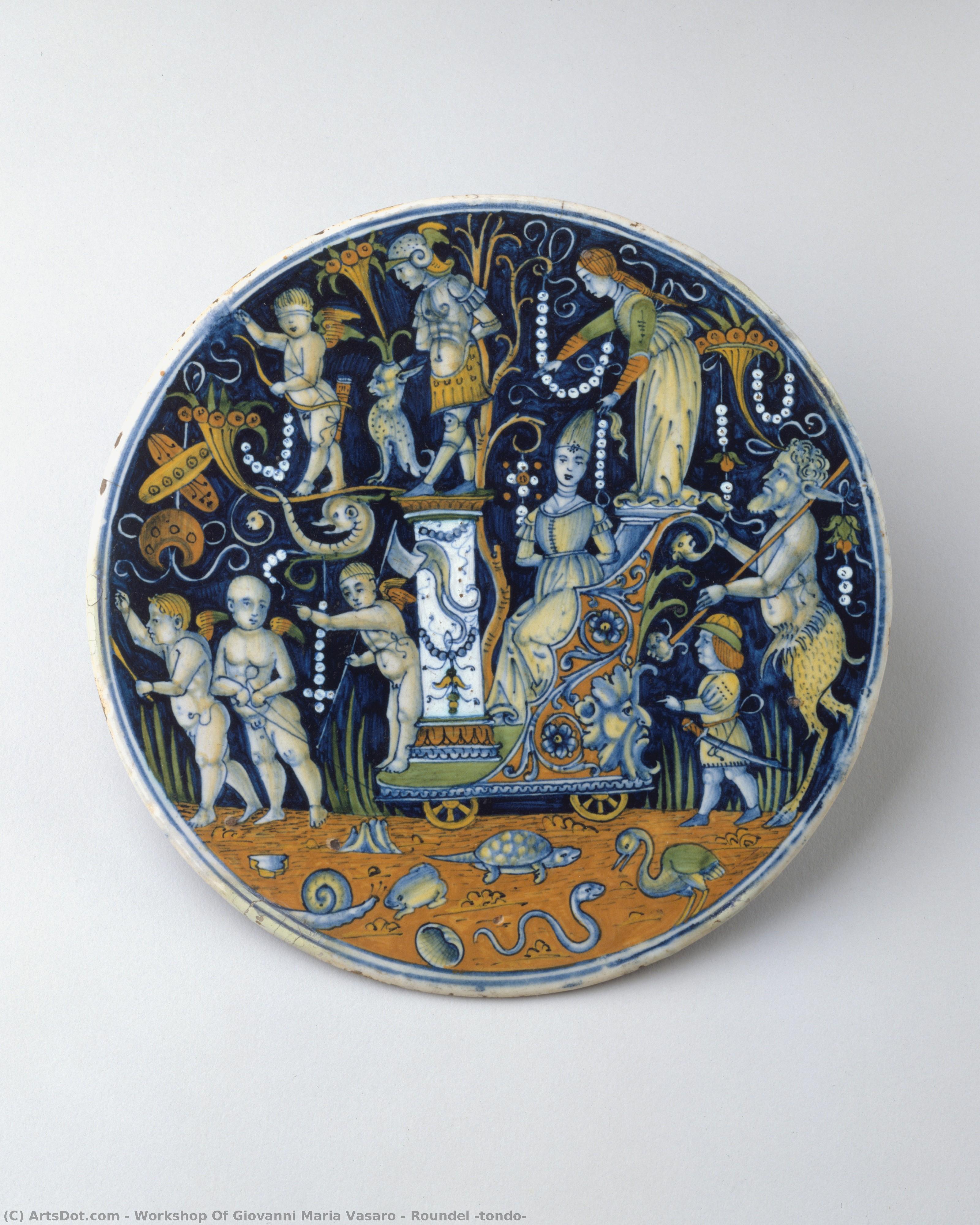
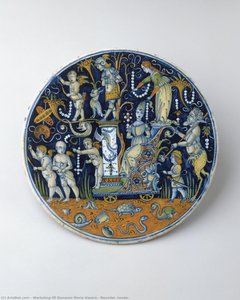
Roundel (tondo)


 Read More
Giclée / Art Print
Museum-quality giclée or canvas print with fast production and flexible finish options. ( Buy Hand Made Painting Buy Image)




































Pick from our preset sizes that match the artwork's original proportions.

You may enter your own dimensions to fit a specific frame or space. If your selected size does not match the original image's proportions, we will either crop the artwork or extend the image with a mirrored or solid-fill edge. A digital mockup will be sent for your approval before production begins.
Please note that the on-screen preview does not reflect the actual cropping or extension. Only the mockup will accurately show the final composition.
While custom sizes are available, we recommend selecting a dimension from the predefined list to preserve the original proportions.
Worldwide Delivery () in 2 weeks instead of standard 4/5 weeks. (21 August)

Free Worldwide Express Shipping

High-Quality Linen Canvas

Full Shipping Insurance

Customs Tax Refund Guarantee

True Color Matching Guarantee

60-Day Return Policy (Defects Only)

100% Money-Back Guarantee

Bulk Discount Offer
 Glass option is only available in size under 110 CM

Roundel (tondo)
Giclée / Art Print
Reproduction Size
-


Total Price
$ 63
Related Artworks




Artist Biography
The Enigmatic Workshop of Giovanni Maria Vasaro
The name Giovanni Maria Vasaro resonates faintly within the annals of Renaissance art, yet his workshop—rather than a definitively documented individual oeuvre—stands as a compelling testament to the collaborative spirit and skilled craftsmanship that flourished in 16th-century Italy. Based on available records, it appears Vasaro was active during a period when artistic production often extended beyond the hand of a single master, relying instead on a network of assistants and specialized artisans. While biographical details remain scarce, the work emanating from his studio offers valuable insight into the decorative arts and the evolving tastes of the time. The workshop’s primary output centered around *cassoni* (marriage chests), panels, and particularly striking roundels—small, circular paintings often employed as architectural embellishments or independent decorative objects. These pieces reveal a fascination with classical motifs, allegorical scenes, and a refined sense of color and composition.A Flourishing Studio in an Age of Collaboration
The 16th century witnessed a shift in artistic patronage and production methods. The rise of wealthy merchant families and the increasing demand for personalized decorative items fueled the growth of workshops like Vasaro’s. Unlike the singular genius model often associated with artists such as Leonardo or Michelangelo, many studios operated as collaborative enterprises. Masters oversaw design and execution, delegating specific tasks to apprentices and specialized assistants. This system allowed for greater efficiency and a wider range of stylistic exploration. The workshop of Giovanni Maria Vasaro likely benefited from this trend, employing skilled painters, gilders, and woodcarvers to fulfill commissions from a discerning clientele. Evidence suggests a strong connection to Florentine artistic traditions, with influences from earlier masters discernible in the workshop’s compositions and techniques.Themes and Techniques: Echoes of Renaissance Ideals
The roundels produced by Vasaro's workshop are particularly noteworthy for their delicate execution and symbolic richness. Common themes include allegorical representations of virtues—such as Prudence, Temperance, and Fortitude—as well as mythological narratives drawn from classical literature. These subjects reflect the humanist ideals prevalent during the Renaissance, emphasizing the importance of education, moral conduct, and a renewed appreciation for ancient Greek and Roman culture. Technically, the workshop demonstrated proficiency in tempera painting, employing meticulous brushwork to achieve subtle gradations of color and realistic depictions of figures and drapery. The use of gold leaf was also prominent, adding luminosity and enhancing the decorative impact of the roundels. The attention to detail and harmonious compositions suggest a commitment to aesthetic excellence and a deep understanding of Renaissance artistic principles.Historical Significance: Preserving a Glimpse into Florentine Decorative Arts
Although Giovanni Maria Vasaro himself remains an elusive figure, his workshop occupies an important place in the history of Florentine decorative arts. The surviving works provide valuable evidence of the stylistic preferences and material culture of the 16th century. The roundels, in particular, offer a fascinating glimpse into the world of Renaissance interiors, revealing how art was integrated into domestic spaces to enhance beauty and convey social status. Furthermore, the workshop’s collaborative approach highlights the often-overlooked role of artisans in shaping artistic production during this period. By studying the techniques and themes employed by Vasaro's studio, we gain a deeper appreciation for the complex network of skills and influences that contributed to the flourishing of Renaissance art.Further Research & Legacy
The limited documentation surrounding Giovanni Maria Vasaro presents ongoing challenges for art historians. Further research into archival records and stylistic analysis of attributed works is needed to fully understand the scope of his workshop’s activities and its place within the broader context of Florentine art.- Examining commission records could shed light on the clientele served by the workshop.
- Comparative studies with other contemporary studios may reveal shared influences and artistic practices.
- Technical analysis of the materials used in Vasaro’s paintings could provide insights into his working methods.
Quick Facts
- Date Of Death: Living
- Full Name: Workshop Of Giovanni Maria Vasaro
- Notable Artworks: ['Roundel (tondo)']

