

 Preview
 Send
Send Share
Share
 Details

 Download
 Similars
 X-Ray
X-Ray Diaporama
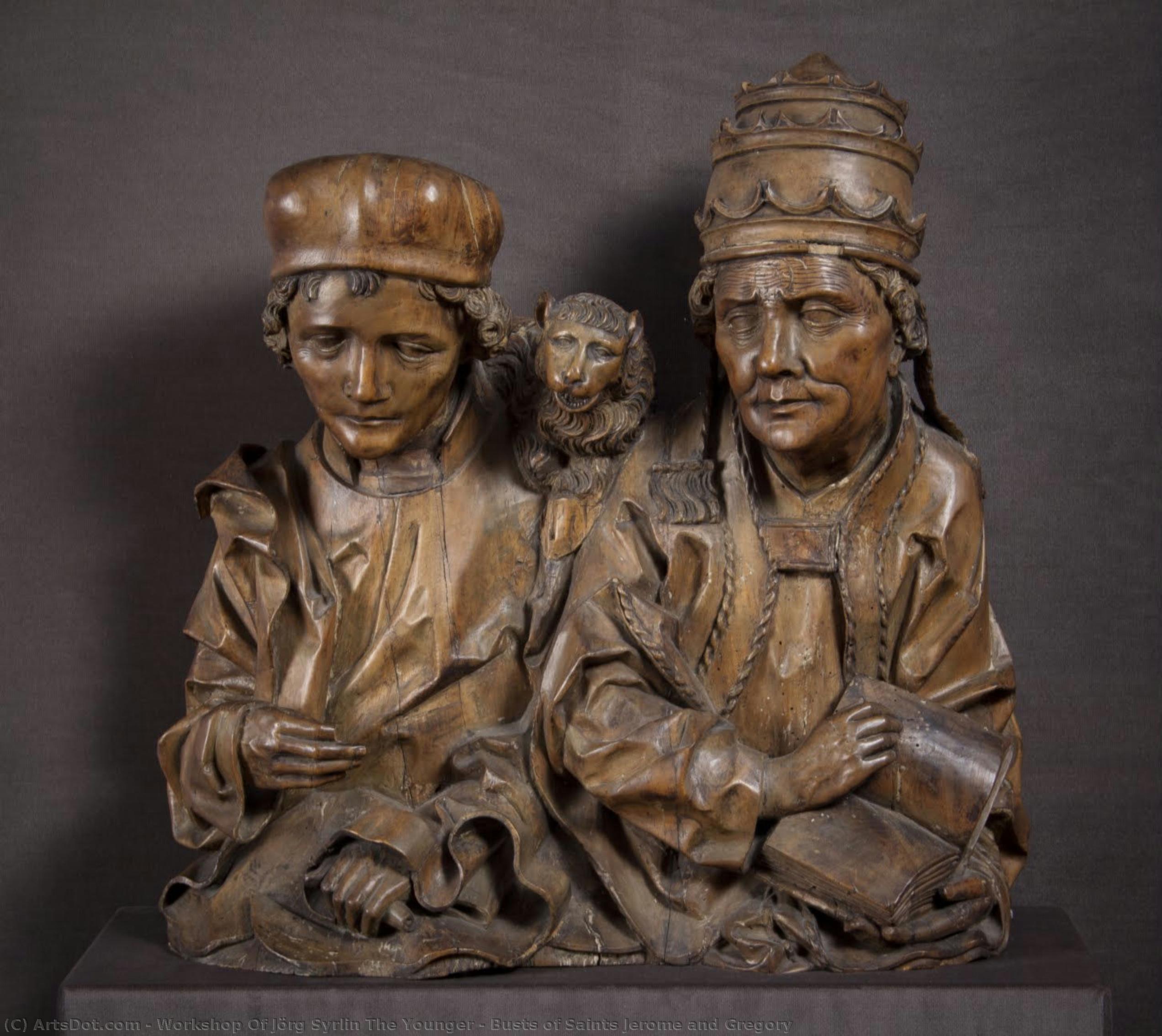
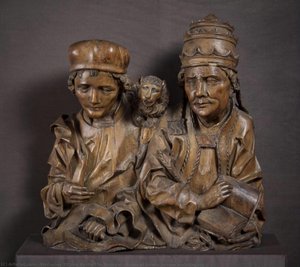
Busts of Saints Jerome and Gregory


 Read More
Purchase a high-resolution, enhanced digital image, far superior to the online preview.
Each file is meticulously prepared by our in-house specialists using advanced tools and expert manual retouching. We ensure every image has exceptional clarity, precise color accuracy, and fine detail.
The final file is delivered via email within 72 hours, optimized for immediate use in professional, editorial, and print environments. This is the same quality trusted by top-tier design studios, publishers, and galleries.
Digital Image
Download a high-resolution file for personal display, printing, and creative projects. ( Buy Print Buy Hand Made Painting)
Included in Every Digital Image Order
Expert Digital Delivery, Guaranteed
When you choose ArtsDot.com, you're not just getting an image - you're receiving a professionally enhanced digital artwork, crafted with precision and backed by a satisfaction guarantee. Here's everything that comes with your order, automatically:

Fast Email Delivery
Your high-resolution digital image file will be emailed to you within 72 hours of ordering - ready for immediate use.

AI-Enhanced Digital File
Your artwork is professionally optimized using advanced AI tools and manual editing, ensuring maximum detail, clarity, and color accuracy.

Free Lifetime Re-Delivery
Accidentally deleted or lost your file? No worries - we'll resend it to you anytime, free of charge.

No Import Fees - Ever
Enjoy your artwork instantly with zero customs, duties, or delivery fees - digital downloads are always tax-free.

Color Accuracy Guarantee
We ensure your digital image reflects the original colors as closely as possible using professional tools and color management.

60-Day Satisfaction Guarantee
If you're not satisfied with your digital image, we'll revise it or refund 100% within 60 days - no questions asked.

100% Money-Back Guarantee
Not satisfied? Get a full refund within 60 days of receiving your digital file - no questions asked.

Bulk Order Discounts
Buy 3 images, save 10% - Buy 5, save 15% - Buy 10+, save 20%. Great for creative projects, galleries, and agencies.
Related Artworks





Artist Biography
The Legacy of the Syrlin Workshop: Masters of Ulm’s Sculptural Tradition
The name Syrlin resonates deeply within the history of German sculpture, particularly in connection with the flourishing artistic environment of Ulm during the late 15th century. While Jörg Syrlin the Elder is often cited as the foundational figure, it's crucial to understand his legacy not merely as an individual artist but as the head of a remarkably productive workshop that shaped the aesthetic character of the region for generations. Born around 1425 in Ulm and passing away in 1491 within the same city, Jörg Syrlin the Elder’s life coincided with a period of significant religious and economic change, both reflected in the art emanating from his studio.
Initially rooted in the tradition of joinery – his family hailed from Söflingen, a town near Ulm known for its woodworking – Syrlin transitioned into sculpture, establishing himself as a resident artist within Ulm by 1449. By 1456, he owned property and was demonstrably running a workshop, though the precise nature of his role remains debated among scholars. It’s believed that while Syrlin oversaw projects and likely executed smaller sculptural elements, much of the larger-scale carving was entrusted to assistants working on a temporary basis. This collaborative approach was typical for workshops of the period, allowing for greater output and specialization.
The Ulm Minster Choir Stalls: A Monumental Achievement
Syrlin’s enduring fame rests primarily upon his work – and that of his workshop – on the choir stalls of the Ulm Minster. This monumental undertaking, begun in the 1460s, represents a pinnacle of late Gothic sculpture in Germany. The stalls are not simply functional pieces of furniture; they are elaborate narrative cycles carved with astonishing detail and imbued with profound theological meaning. The carvings depict scenes from the Bible, lives of saints, and allegorical figures, all rendered with a distinctive blend of realism and expressive emotion. The sheer scale of the project – encompassing hundreds of individual panels – speaks to the workshop’s organizational capabilities and the sustained patronage it enjoyed.
The style of the choir stalls is characterized by dynamic compositions, intricate drapery folds, and a keen attention to anatomical detail. While influenced by earlier Gothic traditions, Syrlin's work also exhibits a growing interest in Renaissance forms, particularly evident in the more naturalistic rendering of figures and the use of perspective. The workshop’s ability to synthesize these diverse influences contributed to the unique character of Ulm sculpture.
The Transition to Jörg Syrlin the Younger
Upon Jörg Syrlin the Elder's death in 1491, his son, Jörg Syrlin the Younger, inherited command of the workshop. This succession ensured a continuity of style and technique, allowing for the completion of ongoing projects and the continuation of the family’s artistic legacy. While distinguishing between the work of father and son can be challenging, it is generally accepted that Jörg the Elder laid the foundational aesthetic principles while his son refined and expanded upon them.
The workshop continued to thrive under Jörg Syrlin the Younger, receiving commissions from various patrons throughout the region. The quality of craftsmanship remained consistently high, solidifying the Syrlin workshop’s reputation as a leading center for sculptural production. However, with the advent of new artistic trends in the 16th century – particularly the rise of Renaissance classicism – the distinctive Gothic style associated with the Syrlins gradually fell out of favor.
Historical Significance and Enduring Influence
The significance of the Syrlin workshop extends beyond its technical mastery. Their work embodies the religious fervor and artistic sensibilities of late medieval Germany, offering valuable insights into the cultural context of the period. The choir stalls of Ulm Minster, in particular, serve as a testament to the power of art to convey complex theological ideas and inspire devotion.
The Syrlins’ influence can be traced through the work of subsequent generations of sculptors in the region. Their emphasis on narrative detail, expressive emotion, and technical precision continued to shape artistic practices for decades after their deaths. Today, the carvings from the Ulm Minster stand as enduring monuments to the skill and vision of Jörg Syrlin the Elder and his workshop – a legacy that continues to captivate and inspire art lovers around the world.
Quick Facts
- Artistic Movement Or Style: Ulm school
- Date Of Death: Living
- Full Name: Jörg Syrlin the Younger
- Nationality: German
- Notable Artworks: ['Busts of Saints Jerome and Gregory']
- Place Of Birth: Ulm, Germany

