

 Preview
 Send
Send Share
Share
 Details

 Download
 Similars
 X-Ray
X-Ray Diaporama
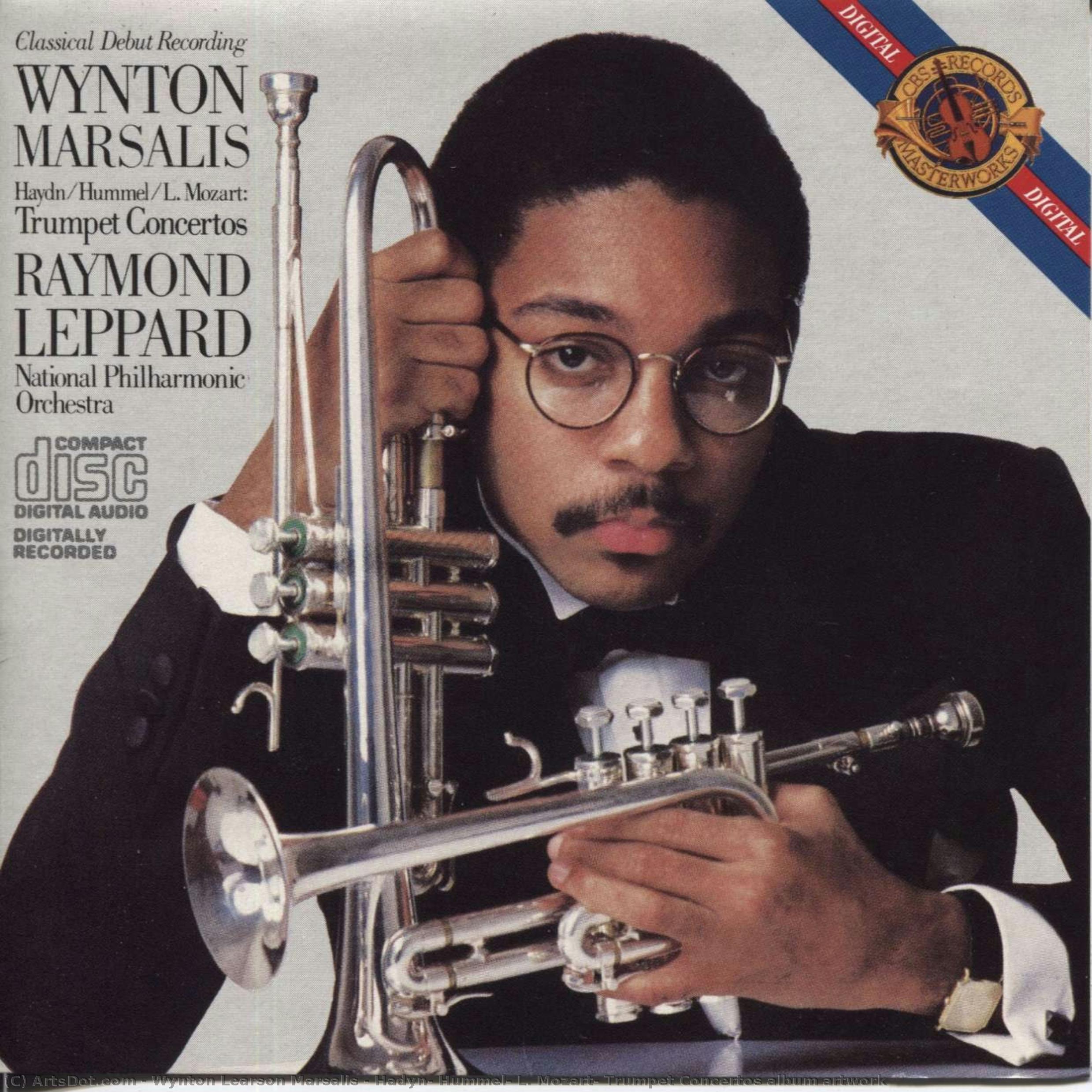
Hadyn, Hummel, L. Mozart: Trumpet Concertos album artwork


 Read More
Purchase a high-resolution, enhanced digital image, far superior to the online preview.
Each file is meticulously prepared by our in-house specialists using advanced tools and expert manual retouching. We ensure every image has exceptional clarity, precise color accuracy, and fine detail.
The final file is delivered via email within 72 hours, optimized for immediate use in professional, editorial, and print environments. This is the same quality trusted by top-tier design studios, publishers, and galleries.
Digital Image
Download a high-resolution file for personal display, printing, and creative projects. ( Buy Print Buy Hand Made Painting)
Included in Every Digital Image Order
Expert Digital Delivery, Guaranteed
When you choose ArtsDot.com, you're not just getting an image - you're receiving a professionally enhanced digital artwork, crafted with precision and backed by a satisfaction guarantee. Here's everything that comes with your order, automatically:

Fast Email Delivery
Your high-resolution digital image file will be emailed to you within 72 hours of ordering - ready for immediate use.

AI-Enhanced Digital File
Your artwork is professionally optimized using advanced AI tools and manual editing, ensuring maximum detail, clarity, and color accuracy.

Free Lifetime Re-Delivery
Accidentally deleted or lost your file? No worries - we'll resend it to you anytime, free of charge.

No Import Fees - Ever
Enjoy your artwork instantly with zero customs, duties, or delivery fees - digital downloads are always tax-free.

Color Accuracy Guarantee
We ensure your digital image reflects the original colors as closely as possible using professional tools and color management.

60-Day Satisfaction Guarantee
If you're not satisfied with your digital image, we'll revise it or refund 100% within 60 days - no questions asked.

100% Money-Back Guarantee
Not satisfied? Get a full refund within 60 days of receiving your digital file - no questions asked.

Bulk Order Discounts
Buy 3 images, save 10% - Buy 5, save 15% - Buy 10+, save 20%. Great for creative projects, galleries, and agencies.
A Trumpet's Echoes: Wynton Marsalis’s “Haydn, Hummel, L. Mozart”
The image before us—a photograph capturing a moment of intense concentration—isn’t merely a portrait; it’s a window into the heart of classical music performance. Wynton Marsalis, bathed in the warm light of a rehearsal space, holds a trumpet close to his face, his brow furrowed with focused intent. The gesture is both intimate and commanding, suggesting a profound connection between musician and instrument. His glasses reflect the surrounding light, hinting at the meticulous attention he brings to every note. The formal attire—a black suit jacket over a crisp white shirt—grounds the scene in the tradition of classical music, while the slightly worn appearance speaks to the years spent honing his craft within its demanding embrace. This isn’t a staged photograph; it feels like a captured breath during a crucial rehearsal, radiating an aura of dedication and artistic passion.
The Composer's Legacy: A Trio of Voices
At the core of this image lies a remarkable musical undertaking: Wynton Marsalis’s recording of Haydn, Hummel, and Mozart’s trumpet concertos. These three works, spanning the late 18th century, represent a pivotal moment in the evolution of instrumental music. Joseph Haydn's concerto, written in 1796 for Anton Weidinger, the Prince Esterhazy’s court trumpeter, showcases the burgeoning complexity of orchestral writing. Johann Nepomuk Hummel’s concerto, composed shortly after, demonstrates a more intimate and lyrical style, reflecting the elegance of the Viennese court. Leopold Mozart's concerto, penned in 1762, offers a glimpse into the early development of the genre, revealing a spirited and virtuosic approach. Marsalis’s choice to unite these disparate yet equally significant works speaks volumes about his commitment to exploring the breadth and depth of classical music history.
Technique and Expression: A Masterful Performance
The photograph subtly reveals the technical prowess required to execute this demanding repertoire. Marsalis’s posture—the precise positioning of his hands on the trumpet, the focused gaze—suggests a deep understanding of the instrument's capabilities. The image isn’t about flashy display; it’s about control and precision. Yet, beneath the surface of technical mastery lies an undeniable emotionality. Marsalis’s expression conveys not just intellectual engagement but also a palpable sense of joy and reverence for the music he is performing. The photograph captures the essence of a musician fully immersed in his art, translating complex scores into tangible sound.
Historical Context and Artistic Significance
Created in 1983, this image coincides with a period of renewed interest in classical music performance and recording. The release of the “Haydn, Hummel, L. Mozart” album coincided with Marsalis’s rise to prominence as a leading figure in both classical and jazz worlds. The album's success—earning him his first Grammy Awards in both categories—cemented his reputation as a virtuoso trumpeter and a passionate advocate for the preservation of classical music traditions. The inclusion of Raymond Leppard, conducting the National Philharmonic Orchestra, further highlights the collaborative spirit inherent in this recording, demonstrating a commitment to bringing these timeless works to a new generation of listeners. The CBS Masterworks logo signifies the album's distribution through a major record label, ensuring its accessibility and widespread recognition.
This reproduction offers an exceptional opportunity to experience the beauty and power of these iconic trumpet concertos. It’s more than just a print; it’s a portal into a world of musical history, technical brilliance, and profound artistic expression—a testament to Wynton Marsalis's enduring legacy.
Related Artworks




Artist Biography
The Soul of New Orleans and a Virtuoso’s Ascent
Born in the vibrant, rhythmic heart of New Orleans in 1961, Wynton Marsalis emerged from a lineage deeply rooted in the very essence of American music. His journey began not merely as a student of the trumpet, but as an heir to a rich cultural tapestry where jazz and classical traditions intertwine. From his earliest years, the influence of his surroundings provided a profound foundation, allowing him to develop a technical precision that would later become his hallmark. This early immersion in the sounds of his birthplace instilled in him a deep respect for the historical weight of jazz, a sentiment that would eventually guide his mission to preserve and expand the genre's boundaries.A Master of Dual Realms
What truly distinguishes Marsalis within the pantheon of great musicians is his unprecedented ability to navigate the distinct, often polarized worlds of classical music and jazz improvisation. He achieved a rare feat, mastering the rigorous, disciplined demands of the classical trumpet repertoire while simultaneously breathing life into the spontaneous, soulful language of jazz. This duality is not merely a technical achievement but a profound artistic statement, proving that the precision of the conservatory and the grit of the jazz club are two sides of the same musical coin. His career is marked by this seamless transition, where the structured elegance of a classical composition meets the unpredictable brilliance of a solo improvisation.His extraordinary versatility is reflected in his monumental achievements:
- The historic feat of winning Grammy Awards in both jazz and classical categories within the same year.
- The prestigious Pulitzer Prize for Music, awarded for his profound oratorio, Blood on the Fields.
- A total of nine Grammy Awards that underscore a lifetime of excellence.
Legacy and the Preservation of Jazz
Beyond his individual brilliance as a performer, Marsalis has acted as a vital architect for the future of American music. As the artistic director of jazz at Jazz at Lincoln Center, he has dedicated much of his life to education and the promotion of the art form to new generations. His work transcends simple performance; it is an act of cultural stewardship. Through composition, teaching, and leadership, he ensures that the complex history of jazz remains a living, breathing entity. By bridging the gap between the past and the future, Marsalis has secured his place as one of the most significant musical figures of our time, ensuring that the trumpet's voice continues to resonate with both historical depth and contemporary relevance.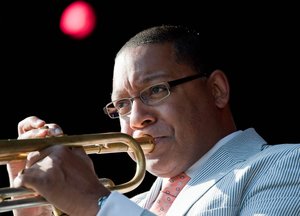
wynton learson marsalis
1961 - , United States of America
Quick Facts
- Artistic Movement Or Style: Jazz and Classical music
- Date Of Birth: October 18, 1961
- Full Name: Wynton Learson Marsalis
- Nationality: American
- Notable Artworks: ['Blood on the Fields']
- Place Of Birth: New Orleans, USA

