 Preview
 Send
Send Share
Share
 Details

 Download
 Similars
 X-Ray
X-Ray Diaporama
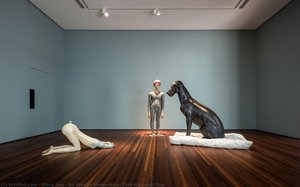
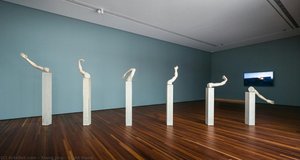
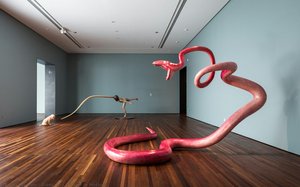
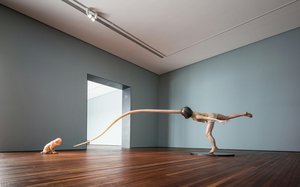
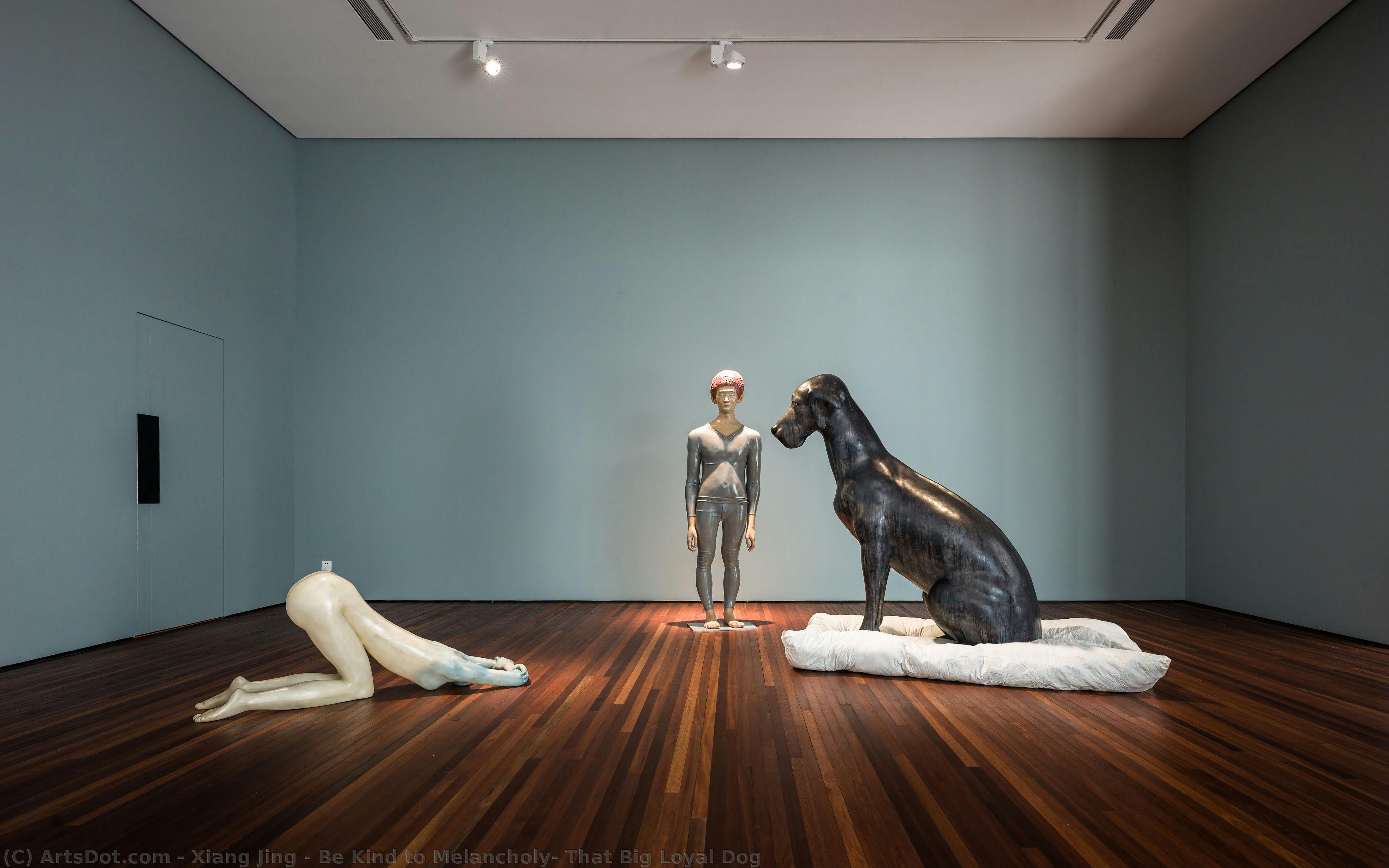
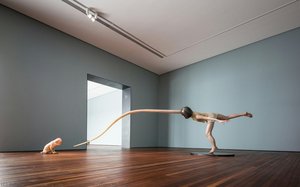
Be Kind to Melancholy, That Big Loyal Dog
 2016
2016 60.0 x 140.0 cm
 Song Art Museum
 Read More
Giclée / Art Print
Museum-quality giclée or canvas print with fast production and flexible finish options. ( Buy Hand Made Painting Buy Image)




































Pick from our preset sizes that match the artwork's original proportions.

You may enter your own dimensions to fit a specific frame or space. If your selected size does not match the original image's proportions, we will either crop the artwork or extend the image with a mirrored or solid-fill edge. A digital mockup will be sent for your approval before production begins.
Please note that the on-screen preview does not reflect the actual cropping or extension. Only the mockup will accurately show the final composition.
While custom sizes are available, we recommend selecting a dimension from the predefined list to preserve the original proportions.
Worldwide Delivery () in 2 weeks instead of standard 4/5 weeks. (22 August)

Free Worldwide Express Shipping

High-Quality Linen Canvas

Full Shipping Insurance

Customs Tax Refund Guarantee

True Color Matching Guarantee

60-Day Return Policy (Defects Only)

100% Money-Back Guarantee

Bulk Discount Offer
 Glass option is only available in size under 110 CM

Be Kind to Melancholy, That Big Loyal Dog
Giclée / Art Print
Reproduction Size
-


Total Price
$ 63
Collectible Description
Related Artworks








Artist Biography
Early Life and Artistic Foundations
Born in Beijing in 1968, Xiang Jing emerged as a significant voice within the evolving landscape of contemporary Chinese sculpture. Her formative years coincided with a period of profound social and political change in China, subtly shaping her artistic perspective. Graduating from the faculty of sculpture at the Central Academy of Fine Arts in 1995, she received rigorous training in traditional sculpting techniques—a foundation that would later be powerfully subverted and re-imagined within her unique practice. While initially immersed in conventional methods, Xiang Jing quickly began to question established norms, seeking a means of expression that resonated with the complexities of modern life and the evolving role of women in Chinese society.
The Rise of Satirical Figurative Sculpture
Xiang Jing’s work is immediately recognizable for its strikingly introspective and often provocative female figures. She doesn't shy away from confronting difficult themes—identity, societal pressures, and the internal struggles of contemporary womanhood are central to her oeuvre. Her sculptures aren’t merely representations of the human form; they are vessels of emotion, capturing a sense of vulnerability, insecurity, and quiet rebellion. What sets Xiang Jing apart is her masterful use of satire. Her figures often engage in seemingly mundane activities—clubbing, shopping, or simply existing in contemplative solitude—but beneath the surface lies a sharp critique of consumer culture, gender roles, and the pressures to conform. This satirical edge isn’t about overt condemnation; rather, it's an invitation for viewers to question their own assumptions and biases.
Materiality and Technique: A Deliberate Choice
While many contemporary sculptors embrace synthetic materials and cutting-edge technologies, Xiang Jing remains deeply committed to traditional sculpting methods. She primarily works with fiberglass, meticulously hand-painting each sculpture in multiple layers to achieve a remarkable level of detail and realism. This deliberate choice isn’t accidental. The labor-intensive process reflects her dedication to the physicality of artmaking and allows for a nuanced exploration of form and texture. The use of props—such as cigarettes—adds another layer of symbolism, hinting at anxieties, desires, and the complexities of modern life. She rarely employs synthetic materials, preferring instead to build up layers of meaning through careful craftsmanship and attention to detail.
Themes and Influences: From Personal to Political
Xiang Jing’s artistic journey has been characterized by a consistent exploration of identity—particularly female identity—and the relationship between the individual and society. Her early series, such as *Mirror Image* (1999-2002) and *Keep in Silence* (2003-2005), laid the groundwork for her later, more ambitious works. She often describes her approach as “first-person narration,” drawing on personal experiences and observations to create sculptures that resonate with universal themes of longing, isolation, and self-discovery. While she resists easy categorization as a "feminist" artist, her work undeniably engages with feminist concerns—challenging traditional representations of women and giving voice to their inner lives. Her influences are diverse, ranging from classical sculpture to contemporary social commentary, but ultimately, her vision is uniquely her own.
Historical Significance and Legacy
Xiang Jing’s sculptures have garnered international acclaim, exhibited widely in China and beyond. Her work has been instrumental in shaping the discourse around contemporary Chinese art, particularly regarding the representation of women and the complexities of post-feminist thought. She is often discussed alongside other prominent Chinese artists who emerged in the 1990s and early 2000s, challenging conventional artistic boundaries and pushing the limits of creative expression. Her legacy lies not only in her striking sculptures but also in her ability to provoke dialogue—to encourage viewers to confront uncomfortable truths about themselves and the world around them. Xiang Jing’s art is a testament to the power of satire, introspection, and the enduring human need for self-expression.
xiang jing
1968 - , China
Quick Facts
- Artistic Movement Or Style: Satirical Sculpture
- Artists Or Movements Influenced By This Artist: ['']
- Artists Who Influenced This Artist: ['']
- Date Of Birth: 1968
- Full Name: Xiang Jing
- Nationality: Chinese
- Notable Artworks:
- Right Hand
- Otherworld - Over Yonder
- Place Of Birth: Beijing, China