 Preview
 Send
Send Share
Share
 Details

 Download
 Similars
 X-Ray
X-Ray Diaporama
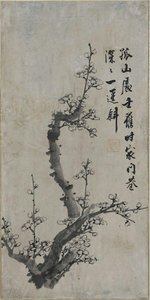
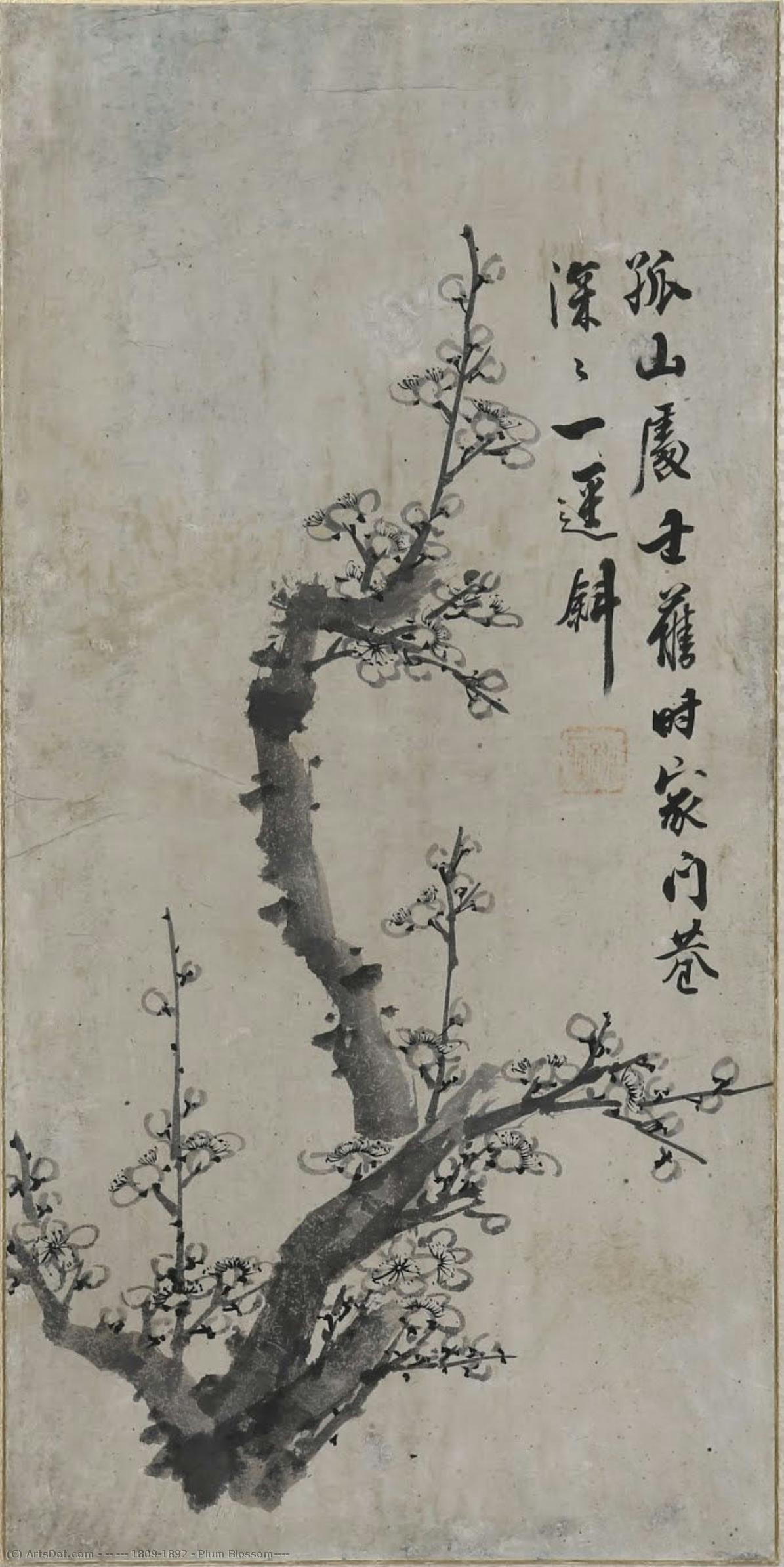
Plum Blossom(墨梅)

 Read More
Giclée / Art Print
Museum-quality giclée or canvas print with fast production and flexible finish options. ( Buy Hand Made Painting Buy Image)




































Pick from our preset sizes that match the artwork's original proportions.

You may enter your own dimensions to fit a specific frame or space. If your selected size does not match the original image's proportions, we will either crop the artwork or extend the image with a mirrored or solid-fill edge. A digital mockup will be sent for your approval before production begins.
Please note that the on-screen preview does not reflect the actual cropping or extension. Only the mockup will accurately show the final composition.
While custom sizes are available, we recommend selecting a dimension from the predefined list to preserve the original proportions.
Worldwide Delivery () in 2 weeks instead of standard 4/5 weeks. (28 August)

Free Worldwide Express Shipping

High-Quality Linen Canvas

Full Shipping Insurance

Customs Tax Refund Guarantee

True Color Matching Guarantee

60-Day Return Policy (Defects Only)

100% Money-Back Guarantee

Bulk Discount Offer
 Glass option is only available in size under 110 CM

Plum Blossom(墨梅)
Giclée / Art Print
Reproduction Size
-


Total Price
$ 63
Related Artworks






Artist Biography
The Quiet Resilience of Heo Ryeon: A Life Immersed in Ink
Heo Ryeon (小癡, 1809-1892) was a pivotal figure in the late Joseon Dynasty art world, though his life remains somewhat shrouded in historical quietude. Born into a declining yangban family – a class of scholar-officials – Heo Ryeon’s path diverged from traditional bureaucratic aspirations. Instead, he dedicated himself to the pursuit of *namjonghwa*, or Southern Style painting, becoming one of its most celebrated masters. While biographical details are sparse, we know his artistic journey was deeply intertwined with a sense of personal and national upheaval as the Joseon Dynasty faced increasing internal pressures and external challenges. Heo Ryeon wasn’t merely replicating styles; he was distilling an essence, a profound connection to nature that resonated with the spirit of the era.Embracing the Southern Tradition
Heo Ryeon's artistic lineage traces back to the traditions of Chinese literati painting, specifically the *namjonghwa* style which emphasized expressive brushwork and a focus on capturing the inner essence of subjects rather than meticulous realism. This approach was particularly appealing during his time, as it allowed artists to convey philosophical ideas and personal emotions through their work. Unlike earlier Joseon painting styles that often prioritized detailed depictions and vibrant colors, *namjonghwa* favored monochrome ink washes – a deliberate choice reflecting a preference for subtlety and introspection. Heo Ryeon’s dedication to this style wasn't simply aesthetic; it was a conscious rejection of the increasingly formalized court painting traditions and a return to more individualistic expression. His work often features plum blossoms, bamboo, orchids, and landscapes—classic motifs imbued with symbolic meaning representing perseverance, integrity, humility, and harmony with nature.A Scholar’s Brush: Themes and Techniques
The themes within Heo Ryeon's paintings are deeply rooted in Confucian ideals and Daoist principles. Plum blossoms, a recurring subject, symbolize resilience and the ability to thrive even in harsh conditions – a metaphor for the scholar who maintains his integrity amidst adversity. Bamboo represents uprightness and moral strength, while orchids embody refinement and solitude. His landscapes aren’t merely depictions of scenery; they are imbued with a sense of spiritual contemplation, inviting viewers to connect with the natural world on a deeper level. Technically, Heo Ryeon was renowned for his mastery of ink washes – employing varying degrees of pressure and dilution to create nuanced textures and atmospheric effects. He often utilized the *goulefafa* technique, meticulously outlining forms before filling them with ink, resulting in works that possess both delicate precision and dynamic energy. The Hwajeong Museum exhibition “書如其人: Calligraphy & Calligrapher” highlighted this aspect of his work, demonstrating how his paintings were inseparable from his calligraphy, revealing the personality of the artist through each stroke.Legacy and Historical Significance
Although Heo Ryeon didn’t hold official court positions, his influence on subsequent generations of Korean painters was profound. His emphasis on individual expression and his refined *namjonghwa* style helped to revitalize the art world during a period of significant change. He served as an important link between earlier traditions and the emergence of modern Korean painting. The special exhibition at Hwajeong Museum in 2018 underscored this importance, examining how his work reflected the values and anxieties of the Joseon Dynasty. Today, Heo Ryeon’s paintings are highly sought after by collectors and museums worldwide, serving as a testament to his enduring artistic vision. His works offer a glimpse into the soul of a scholar-artist who found solace and meaning in the beauty of nature, leaving behind a legacy that continues to inspire awe and contemplation.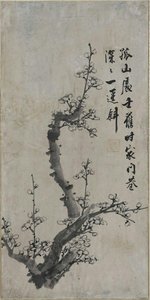
Quick Facts
- Artistic Movement Or Style: Namjonghwa (Southern Style)
- Date Of Birth: 1809
- Date Of Death: 1892
- Full Name: Xiao Chi Xu Lian
- Nationality: Korean
- Notable Artworks: ['Plum Blossom(墨梅)']