 Preview
 Send
Send Share
Share
 Details

 Download
 Similars
 X-Ray
X-Ray Diaporama
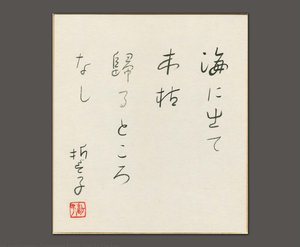
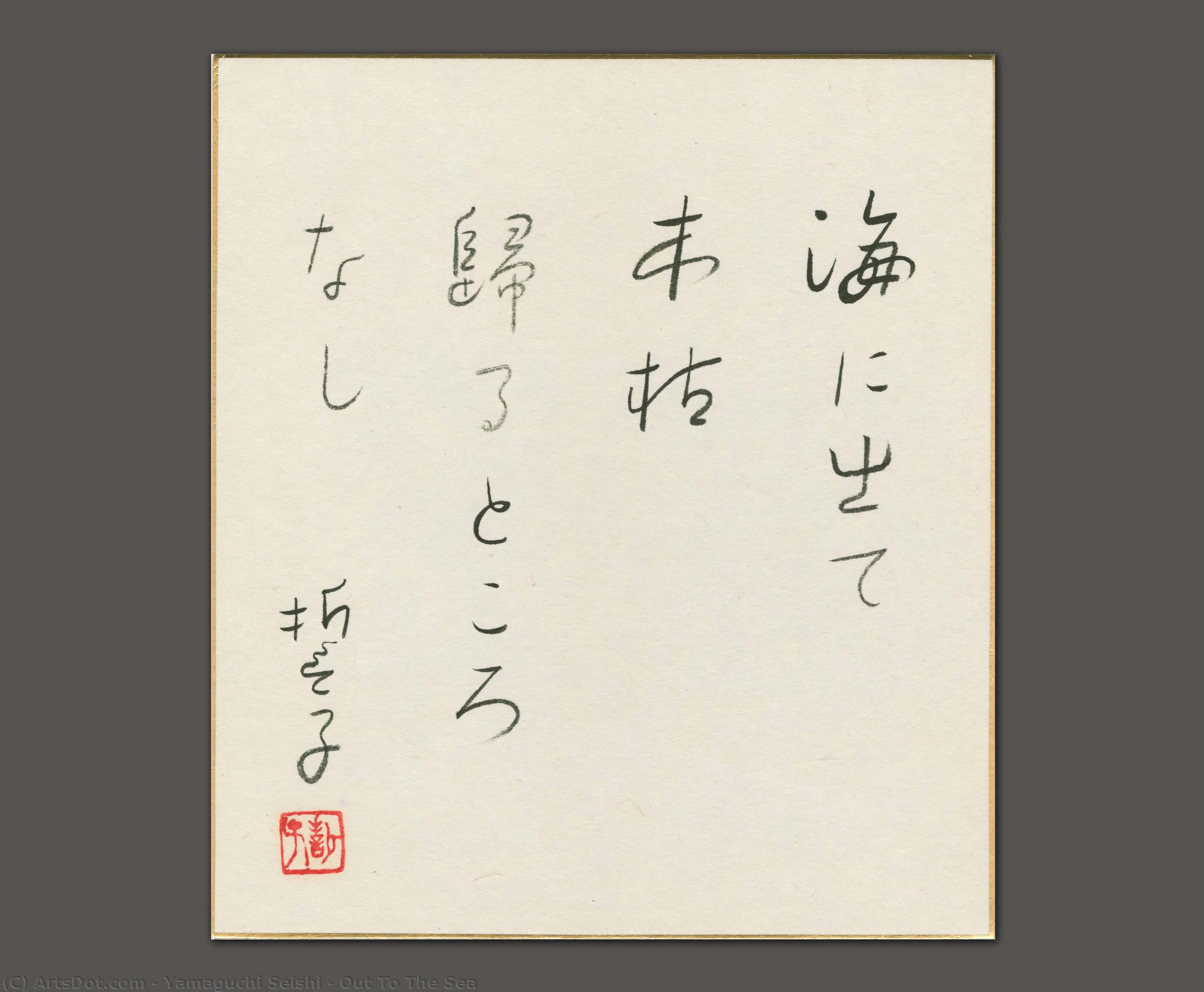
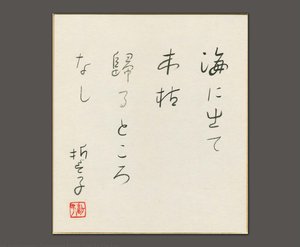
Out To The Sea

 Read More
Giclée / Art Print
Museum-quality giclée or canvas print with fast production and flexible finish options. ( Buy Hand Made Painting Buy Image)




































Pick from our preset sizes that match the artwork's original proportions.

You may enter your own dimensions to fit a specific frame or space. If your selected size does not match the original image's proportions, we will either crop the artwork or extend the image with a mirrored or solid-fill edge. A digital mockup will be sent for your approval before production begins.
Please note that the on-screen preview does not reflect the actual cropping or extension. Only the mockup will accurately show the final composition.
While custom sizes are available, we recommend selecting a dimension from the predefined list to preserve the original proportions.
Worldwide Delivery () in 2 weeks instead of standard 4/5 weeks. (26 August)

Free Worldwide Express Shipping

High-Quality Linen Canvas

Full Shipping Insurance

Customs Tax Refund Guarantee

True Color Matching Guarantee

60-Day Return Policy (Defects Only)

100% Money-Back Guarantee

Bulk Discount Offer
 Glass option is only available in size under 110 CM

Out To The Sea
Giclée / Art Print
Reproduction Size
-


Total Price
$ 63
Related Artworks







Artist Biography
The Poetic Architect of Modern Haiku
Born in the historic heart of Kyoto in 1901, Yamaguchi Seishi emerged as a transformative force in Japanese literature, reshaping the delicate architecture of haiku for a new era. His early life was defined by a striking duality of landscapes and influences; while his roots remained in the cultural cradle of Kyoto, his childhood was profoundly shaped by the rugged, desolate beauty of Karafuto Prefecture on Sakhalin Island. Following his father, an electrical engineer, to this northern frontier at age eleven, Yamaguchi encountered a stark, wintry wilderness that would forever haunt and inspire his poetic vision. The biting frost and lonely expanses of the north provided him with a visual vocabulary of isolation and resilience, elements that would later anchor his most evocative verses.
As he matured and returned to Japan, Yamaguchi’s intellectual journey led him through the prestigious halls of Tokyo University, where he helped found the Tokyo University Haiku Society. His early career was marked by a significant mentorship under Kyoshi Takahama, the master of the traditionalist Hototogisu school. Under this tutelage, Yamaguchi’s talent flourished, and his name began to grace the pages of Japan's most respected literary journals. However, the very foundations of tradition that nurtured him eventually became a canvas for his rebellion. While he mastered the classical nuances of the form, he felt an irresistible pull toward the pulse of the modern world—a world of steel, motion, and urban complexity.
A Revolution of Subject and Spirit
The true genius of Yamaguchi Seishi lay in his courage to break the boundaries of what haiku could encompass. In 1932, with the release of his seminal volume Tōk'ō (Frozen Harbor), he signaled a departure from the purely pastoral or seasonal themes that had long dominated the genre. Alongside contemporaries like Shūōshi Mizuhara, Yamaguchi became a pioneer of modernism, injecting the short, rhythmic form with the energy of the twentieth century. He looked away from the cherry blossoms and toward the unexpected: the rhythmic clatter of steam engines, the neon-lit atmosphere of dance halls, the focused intensity of typists, and the organized chaos of parades and sports arenas.
This stylistic evolution was not merely a change in subject matter but a fundamental shift in poetic consciousness. By integrating industrial imagery and urban life into the haiku, he bridged the gap between ancient Japanese aesthetics and the rapid modernization of his era. This bold experimentation eventually led to a definitive break with the conservative Hototogisu school in 1935, as he sought a more liberated creative space. His subsequent involvement with the publication Ashibi and later the founding of his own journal, Tenrō (Dog Star), allowed him to cultivate a new literary movement that embraced the contemporary without losing the soul of the traditional form.
Legacy and Literary Endurance
Throughout a long and prolific life that spanned nearly the entire twentieth century, Yamaguchi Seishi remained a steadfast beacon for poets seeking to navigate the tension between tradition and progress. His body of work, which includes over a dozen volumes such as Kōki (Yellow Flag) and Wafuku (Japanese Clothing), serves as a historical record of a changing Japan. He did not merely observe the transition from an agrarian society to an industrial powerhouse; he captured its very breath through the precise, crystalline lens of haiku.
His influence extended far beyond his own verses, as he mentored a new generation of poets, most notably Hashimoto Takako, whose talent earned her the moniker the “female Seishi.” Today, Yamaguchi is remembered not just as a writer, but as an architect of modern Japanese thought. His ability to find profound beauty in the mundane and the mechanical ensures that his poetry remains as vital and striking today as it was during the transformative decades of his prime. Through his work, the desolate winters of Sakhalin and the bustling streets of Osaka are eternally entwined in a single, breathless moment of poetic clarity.
yamaguchi seishi
1901 - 1994 , Japan
Quick Facts
- Artistic Movement Or Style: Haiku
- Artists Or Movements Influenced By This Artist: ['Hototogisu']
- Artists Who Influenced This Artist: ['Kyoshi Takahama']
- Date Of Birth: November 3, 1901
- Date Of Death: March 26, 1994
- Full Name: Yamaguchi Seishi
- Nationality: Japanese
- Notable Artworks: ['Out To The Sea']
- Place Of Birth: Kyoto, Japan