

 Preview
 Send
Send Share
Share
 Details

 Download
 Similars
 X-Ray
X-Ray Diaporama
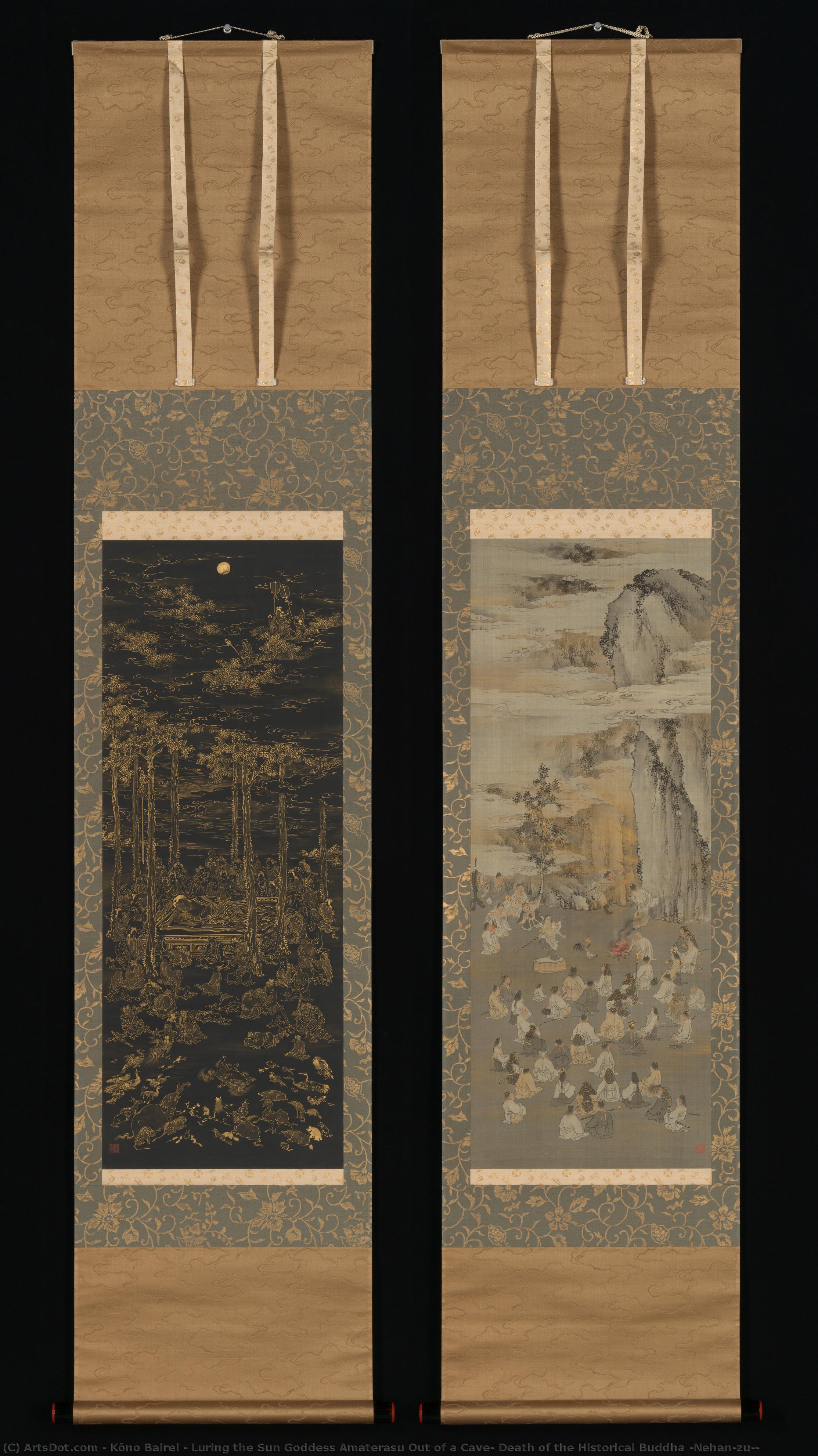
Luring the Sun Goddess Amaterasu Out of a Cave; Death of the Historical Buddha (Nehan-zu)
 801
801 71.0cm x 27.0cm
 Read More
Purchase a high-resolution, enhanced digital image, far superior to the online preview.
Each file is meticulously prepared by our in-house specialists using advanced tools and expert manual retouching. We ensure every image has exceptional clarity, precise color accuracy, and fine detail.
The final file is delivered via email within 72 hours, optimized for immediate use in professional, editorial, and print environments. This is the same quality trusted by top-tier design studios, publishers, and galleries.
Digital Image
Download a high-resolution file for personal display, printing, and creative projects. ( Buy Print Buy Hand Made Painting)
Included in Every Digital Image Order
Expert Digital Delivery, Guaranteed
When you choose ArtsDot.com, you're not just getting an image - you're receiving a professionally enhanced digital artwork, crafted with precision and backed by a satisfaction guarantee. Here's everything that comes with your order, automatically:

Fast Email Delivery
Your high-resolution digital image file will be emailed to you within 72 hours of ordering - ready for immediate use.

AI-Enhanced Digital File
Your artwork is professionally optimized using advanced AI tools and manual editing, ensuring maximum detail, clarity, and color accuracy.

Free Lifetime Re-Delivery
Accidentally deleted or lost your file? No worries - we'll resend it to you anytime, free of charge.

No Import Fees - Ever
Enjoy your artwork instantly with zero customs, duties, or delivery fees - digital downloads are always tax-free.

Color Accuracy Guarantee
We ensure your digital image reflects the original colors as closely as possible using professional tools and color management.

60-Day Satisfaction Guarantee
If you're not satisfied with your digital image, we'll revise it or refund 100% within 60 days - no questions asked.

100% Money-Back Guarantee
Not satisfied? Get a full refund within 60 days of receiving your digital file - no questions asked.

Bulk Order Discounts
Buy 3 images, save 10% - Buy 5, save 15% - Buy 10+, save 20%. Great for creative projects, galleries, and agencies.
Related Artworks










Artist Biography
Kōno Bairei: A Master of Meiji Era Bird and Flower Painting
Kōno Bairei (1844-1895), originally born Yasuda Bairei, stands as a pivotal figure in the artistic landscape of late 19th-century Japan. His life’s work, deeply rooted in Kyoto's rich artistic traditions yet subtly influenced by Western aesthetics, cemented his place as a master of *kacho-e*, or bird and flower painting – a genre that flourished during the Meiji period. Born into a family with a history of artistic patronage, Bairei’s journey began not with formal training but through an apprenticeship under Nakajima Raisho, a prominent figure in the Maruyama school, a movement known for its emphasis on naturalism and a deep connection to nature. This early exposure instilled within him a profound respect for observation and a commitment to capturing the essence of his subjects – primarily birds and flowers – with remarkable detail and sensitivity.Early Training and Artistic Influences
Bairei’s artistic development was shaped by a deliberate and multifaceted approach. Following Raisho's death, he sought guidance from Shiokawa Bunrin, a master of the Shijo school, renowned for its refined brushwork and elegant compositions. This juxtaposition of influences – the Maruyama school’s naturalistic tendencies with the Shijo school’s meticulous technique – proved crucial to Bairei’s unique style. He wasn't merely a follower; he actively absorbed and synthesized these diverse approaches, creating a distinctive voice that blended traditional Japanese aesthetics with subtle Western elements. Notably, his studies extended beyond painting, encompassing Nanga-school techniques, further broadening his artistic vocabulary and understanding of composition and color theory. This deliberate exploration of various schools demonstrated Bairei’s intellectual curiosity and commitment to mastering the breadth of Japanese art.The Flourishing of *Kacho-e* During the Meiji Era
Bairei's career coincided with a period of significant transformation in Japan – the Meiji Restoration. This era witnessed a surge in artistic activity, fueled by modernization and an openness to Western ideas. *Kacho-e*, traditionally a genre enjoyed primarily by the elite, began to gain wider recognition as artists sought new avenues for expression and patronage. Bairei skillfully navigated this evolving environment, producing works that resonated with both traditional sensibilities and contemporary tastes. His paintings weren't simply decorative; they reflected a deep appreciation for the natural world and a sophisticated understanding of artistic technique. The meticulous detail in his depictions of feathers, petals, and leaves, combined with a subtle use of color and composition, created images of exquisite beauty and tranquility.Key Works and Notable Achievements
Among Bairei’s most celebrated achievements is the “Bairei Hyakuchō gafu” (Bairei's Album of One Hundred Birds), published in 1881. This monumental work, a testament to his skill and dedication, showcased pairs of birds and flowers arranged according to the four seasons – a popular motif in Japanese art. The series demonstrated Bairei’s mastery of capturing the delicate beauty of nature and his ability to create harmonious compositions. He also produced “Bairei Kachō gafu” (Bairei's Album of Flowers and Birds), further solidifying his reputation as a leading *kacho-e* artist. Beyond these major series, Bairei illustrated numerous books, showcasing his versatility and artistic range. His work was frequently exhibited at government-sponsored expositions, bringing him recognition both within Japan and internationally.Legacy and Influence
Kōno Bairei’s legacy extends far beyond the beauty of his individual paintings. He played a crucial role in establishing the Kyoto Prefectural School of Painting (later Kyoto City University of Arts), fostering a new generation of artists and shaping the future of Japanese art education. His students, including Takeuchi Seihō, one of his most gifted pupils, continued to build upon his artistic legacy. Bairei’s influence can be seen in the works of subsequent generations of *kacho-e* painters, who admired his meticulous technique, his profound understanding of nature, and his ability to seamlessly blend traditional Japanese aesthetics with subtle Western influences. Today, his paintings are treasured for their beauty, technical skill, and enduring representation of Japan’s rich artistic heritage. His commitment to teaching and nurturing talent ensured that the flame of *kacho-e* continued to burn brightly long after his own passing.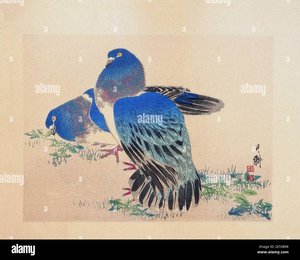
yasuda bairei
1844 - 1895 , Japan
Quick Facts
- Artistic Movement Or Style: Kacho-e (birds & flowers)
- Artists Or Movements Influenced By This Artist: ['Takeuchi Seihō']
- Artists Who Influenced This Artist:
- Nakajima Raisho
- Shiokawa Bunrin
- Date Of Birth: March 3, 1844
- Date Of Death: February 20, 1895
- Full Name: Kōno Bairei (Yasuda Bairei)
- Nationality: Japanese
- Notable Artworks:
- Bairei's Album of Birds
- Bairei's Album of Flowers
- Place Of Birth: Kyoto, Japan

