 Preview
 Send
Send Share
Share
 Details

 Download
 Similars
 X-Ray
X-Ray Diaporama
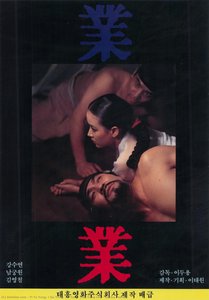
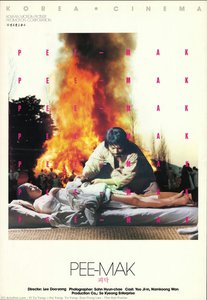
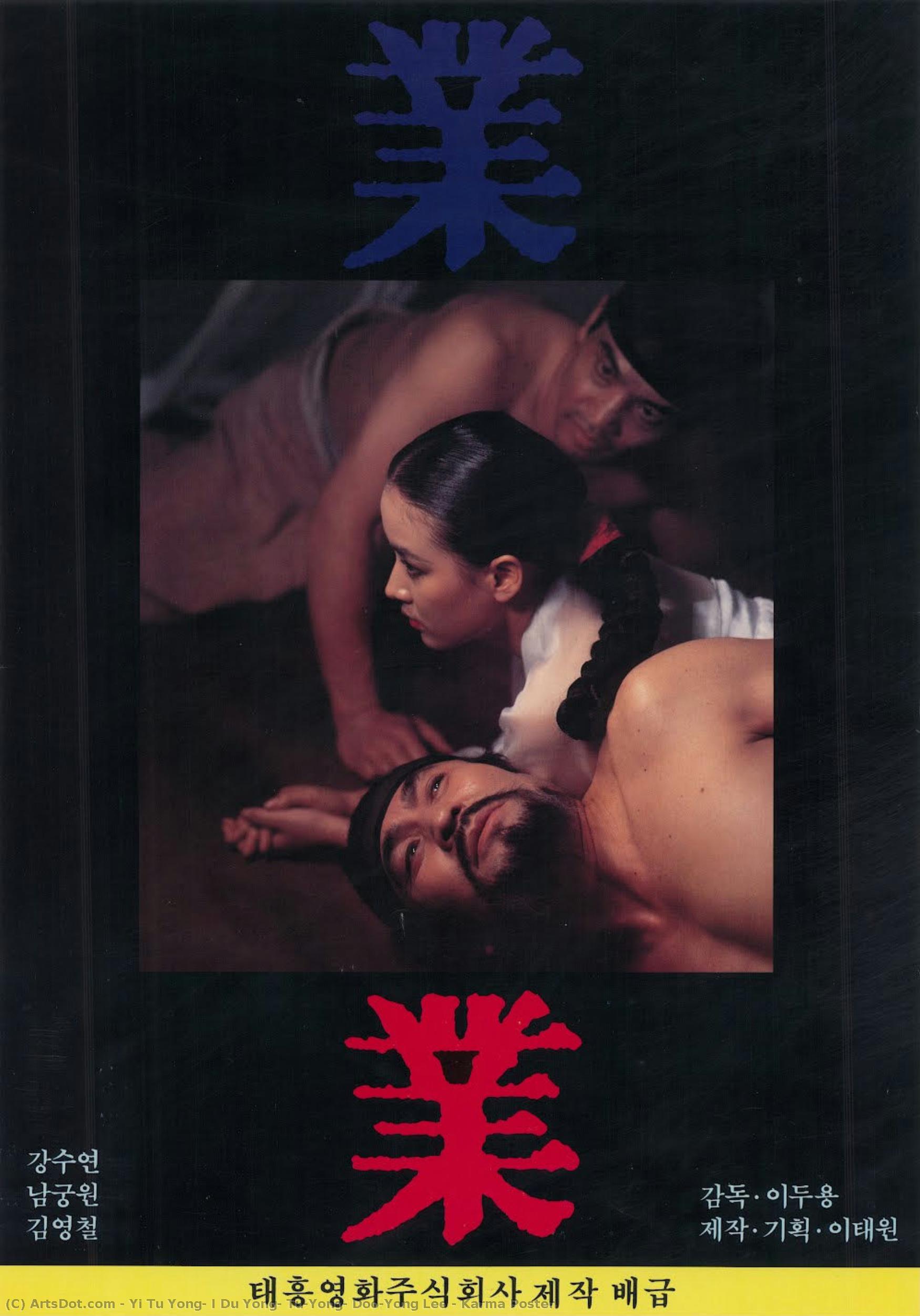
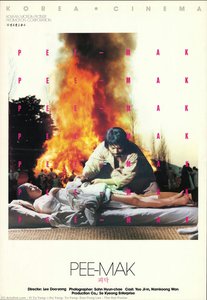
Karma Poster
 1988
1988 37.0 x 54.0 cm
 Korean Film Archive
 Read More
Giclée / Art Print
Museum-quality giclée or canvas print with fast production and flexible finish options. ( Buy Hand Made Painting Buy Image)




































Pick from our preset sizes that match the artwork's original proportions.

You may enter your own dimensions to fit a specific frame or space. If your selected size does not match the original image's proportions, we will either crop the artwork or extend the image with a mirrored or solid-fill edge. A digital mockup will be sent for your approval before production begins.
Please note that the on-screen preview does not reflect the actual cropping or extension. Only the mockup will accurately show the final composition.
While custom sizes are available, we recommend selecting a dimension from the predefined list to preserve the original proportions.
Worldwide Delivery () in 2 weeks instead of standard 4/5 weeks. (31 August)

Free Worldwide Express Shipping

High-Quality Linen Canvas

Full Shipping Insurance

Customs Tax Refund Guarantee

True Color Matching Guarantee

60-Day Return Policy (Defects Only)

100% Money-Back Guarantee

Bulk Discount Offer
 Glass option is only available in size under 110 CM

Karma Poster
Giclée / Art Print
Reproduction Size
-


Total Price
$ 63
Related Artworks







Artist Biography
A Pioneer of Korean Cinema: The Life and Legacy of Lee Doo-yong
Lee Doo-yong, born December 24, 1942, and recently passing on January 19, 2024, at the age of 81, stands as a monumental figure in the history of South Korean cinema. His career, spanning over six decades, witnessed—and actively shaped—the evolution of the industry from its nascent stages to its current global prominence. Emerging during a period of significant social and political change, Lee wasn’t merely a filmmaker; he was a cultural chronicler, fearlessly tackling complex themes and pushing boundaries with his diverse body of work. He left behind a legacy of over sixty films that reflect both the dynamism of Korean storytelling and his own unwavering artistic vision.Early Career and the Rise of Korean Action
Lee Doo-yong’s entry into filmmaking in 1969, with *The Lost Wedding Veil*, marked the beginning of an incredibly prolific period. The early 1970s saw him rapidly establishing a reputation for versatility, experimenting with various genres and quickly gaining recognition within the industry. However, it was his pioneering work in action cinema that truly set him apart. Before Lee, Korean action films were largely imitative of Western styles. He introduced a uniquely Korean sensibility to the genre—a blend of martial arts prowess, gritty realism, and compelling narratives. Films like *The Korean Connection* (1974) and *Left Foot of Wrath* (1974) weren’t simply about spectacular fight sequences; they were character-driven stories that explored themes of justice, revenge, and the struggles of everyday people. These films resonated deeply with audiences and laid the foundation for the future development of Korean action filmmaking, influencing generations of directors and actors. He wasn't just creating entertainment; he was forging a new cinematic language.Controversy and Social Commentary: *Mulleya Mulleya*
While Lee’s early work established him as a skilled genre filmmaker, it was his 1984 film, *Mulleya Mulleya*, that cemented his status as a truly significant artistic voice. The film, set during the Yi Dynasty, offered a brutally honest and unflinching portrayal of a woman's subjugated life—a stark contrast to the romanticized historical dramas prevalent at the time. Its graphic depiction of sexual violence and societal oppression sparked immense controversy in both Korea and the West. *Mulleya Mulleya* wasn’t intended to shock for the sake of it; rather, it was a deliberate attempt to confront uncomfortable truths about Korean history and patriarchal structures. The film's impact extended beyond mere artistic debate—it ignited important conversations about gender roles, social justice, and the responsibility of filmmakers to address difficult issues. It remains a powerful testament to Lee’s courage and commitment to challenging conventional norms.A Diverse Filmography and Enduring Influence
Beyond action and controversial dramas, Lee Doo-yong demonstrated remarkable range throughout his career. He directed comedies, melodramas, thrillers, and even historical epics, consistently showcasing his ability to adapt and innovate. His films often featured compelling female characters—complex individuals grappling with societal expectations and personal desires. While specific details about the influences shaping his artistic vision remain somewhat elusive, it’s clear that he drew inspiration from a wide range of sources, including Korean folklore, Western cinema, and contemporary social issues.- Early Films (1969-1973): Establishing a foundation with diverse genres like romance, drama, and early action experiments.
- The Action Era (1974-1980s): Pioneering Korean-style action films and gaining widespread recognition.
- Socially Conscious Works (1980s-2000s): Tackling controversial themes and pushing boundaries with films like *Mulleya Mulleya*.
- Later Career: Continuing to direct a variety of genres, showcasing versatility and artistic maturity.
Quick Facts
- Artistic Movement Or Style: Korean action films
- Date Of Birth: December 24, 1942
- Date Of Death: January 19, 2024
- Full Name: Lee Doo-yong
- Nationality: South Korean
- Notable Artworks:
- The Lost Wedding Veil
- The Korean Connection
- Mulleya Mulleya