 Preview
 Send
Send Share
Share
 Details

 Download
 Similars
 X-Ray
X-Ray Diaporama
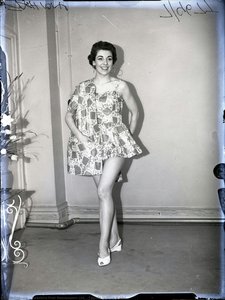
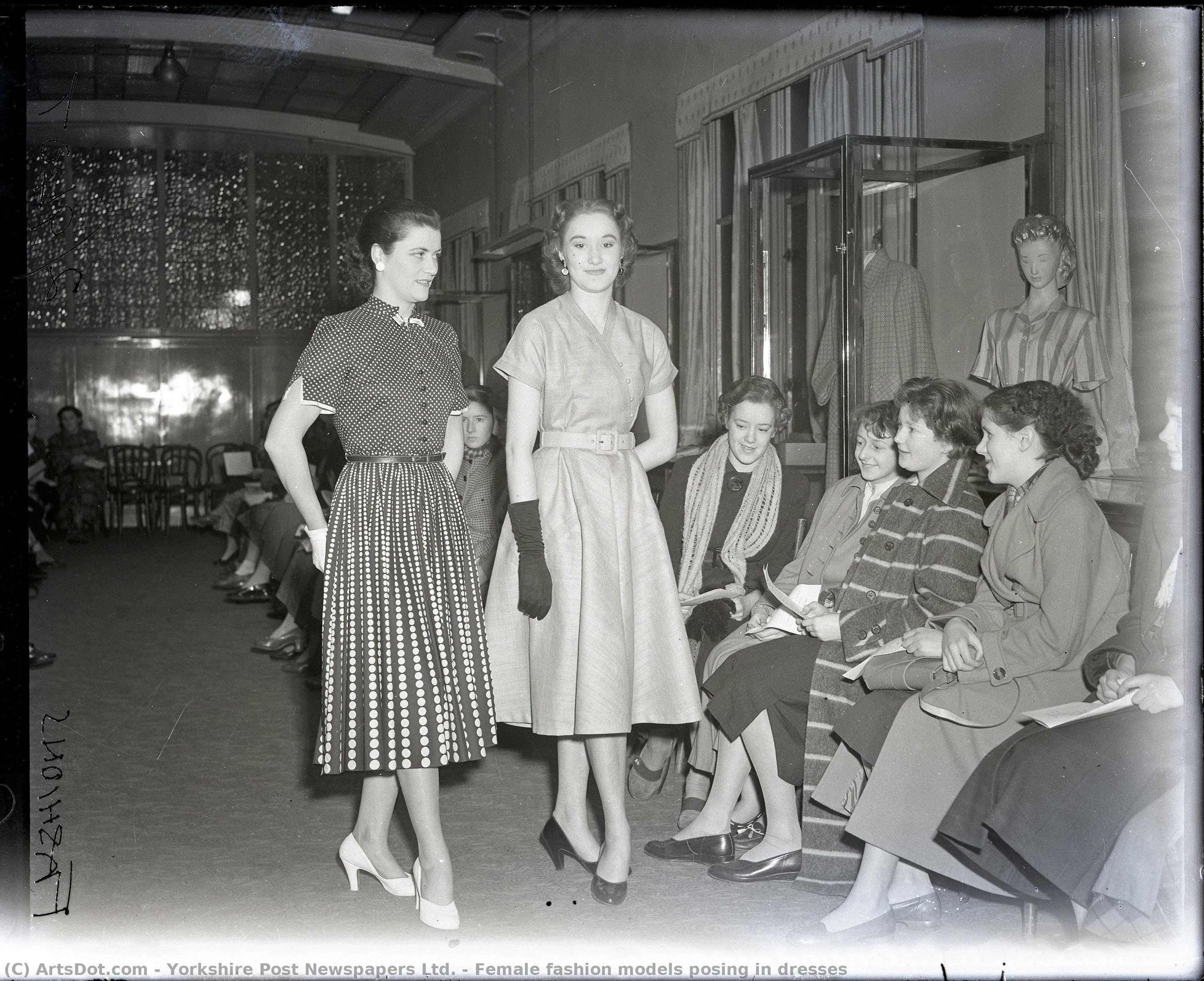
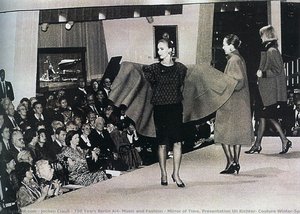
Female fashion models posing in dresses


 Read More
Purchase a high-resolution, enhanced digital image, far superior to the online preview.
Each file is meticulously prepared by our in-house specialists using advanced tools and expert manual retouching. We ensure every image has exceptional clarity, precise color accuracy, and fine detail.
The final file is delivered via email within 72 hours, optimized for immediate use in professional, editorial, and print environments. This is the same quality trusted by top-tier design studios, publishers, and galleries.
Digital Image
Download a high-resolution file for personal display, printing, and creative projects. ( Buy Print Buy Hand Made Painting)
Included in Every Digital Image Order
Expert Digital Delivery, Guaranteed
When you choose ArtsDot.com, you're not just getting an image - you're receiving a professionally enhanced digital artwork, crafted with precision and backed by a satisfaction guarantee. Here's everything that comes with your order, automatically:

Fast Email Delivery
Your high-resolution digital image file will be emailed to you within 72 hours of ordering - ready for immediate use.

AI-Enhanced Digital File
Your artwork is professionally optimized using advanced AI tools and manual editing, ensuring maximum detail, clarity, and color accuracy.

Free Lifetime Re-Delivery
Accidentally deleted or lost your file? No worries - we'll resend it to you anytime, free of charge.

No Import Fees - Ever
Enjoy your artwork instantly with zero customs, duties, or delivery fees - digital downloads are always tax-free.

Color Accuracy Guarantee
We ensure your digital image reflects the original colors as closely as possible using professional tools and color management.

60-Day Satisfaction Guarantee
If you're not satisfied with your digital image, we'll revise it or refund 100% within 60 days - no questions asked.

100% Money-Back Guarantee
Not satisfied? Get a full refund within 60 days of receiving your digital file - no questions asked.

Bulk Order Discounts
Buy 3 images, save 10% - Buy 5, save 15% - Buy 10+, save 20%. Great for creative projects, galleries, and agencies.
Related Artworks





Artist Biography
The Enigmatic Vision of Agnes Martin
Agnes Martin, a name synonymous with subtle power and quietude in the realm of abstract art, was born in 1912 in Macklin, Saskatchewan, Canada – a landscape that would indelibly shape her artistic sensibility. Her early life was marked by a nomadic existence, moving frequently across the Canadian prairies and later to the United States. This rootlessness, coupled with a challenging childhood and a persistent struggle with schizophrenia, fostered an introspective nature and a deep yearning for order and peace. Martin’s path to becoming a celebrated artist wasn't direct; she studied art at Columbia University in New York, but found herself disillusioned with the prevailing artistic currents of the time. A period spent working as a private tutor and later pursuing various odd jobs underscored her independent spirit and refusal to conform to conventional expectations. It was only after relocating to Taos, New Mexico, in 1949 that she began to seriously dedicate herself to painting, though even then, her artistic voice remained nascent, evolving through explorations of biomorphic abstraction influenced by the work of Georgia O'Keeffe and early Surrealism.From Biomorphism to Grids: A Search for Transcendence
The 1950s witnessed a crucial shift in Martin’s artistic approach. Dissatisfied with the emotional intensity of her earlier works, she began to pare down her compositions, gradually eliminating representational elements and embracing a minimalist aesthetic. This transition wasn't merely stylistic; it was driven by a profound philosophical quest. Martin sought to create paintings that weren't *about* anything, but rather *were* something – pure embodiments of feeling and experience. She famously described her work as representing “innocence,” a state untainted by the complexities and anxieties of modern life. Her move to New York in 1957 brought her into contact with key figures of the burgeoning abstract expressionist movement, including Barnett Newman and Ad Reinhardt. However, she resisted being categorized within this school, forging her own unique path towards abstraction. By the early 1960s, Martin had arrived at her signature style: delicate grids rendered in pale colors – often shades of gray, pink, and blue – on large-scale canvases. These weren’t precise, mathematically calculated structures; rather, they were hand-drawn with subtle imperfections, imbued with a sense of organic warmth and human touch. The faint lines, barely visible at times, seemed to shimmer and breathe, inviting contemplation and evoking a feeling of spaciousness and serenity.The Desert Years: Isolation and Artistic Maturity
In 1967, at the height of her career, Martin made a radical decision: she abandoned New York City and embarked on a solitary journey across the American West, eventually settling in a remote cabin in New Mexico’s high desert. This self-imposed exile was not an act of retreat but rather a deliberate attempt to cultivate the inner stillness necessary for her artistic practice. Living a spartan existence, far removed from the art world's clamor and distractions, Martin devoted herself entirely to painting. The vastness and silence of the desert landscape became integral to her work, influencing its scale, color palette, and overall mood. During this period, she developed a distinctive working method: creating paintings in series, often revisiting similar compositions over many years, refining and perfecting her subtle variations. Her grids became increasingly ethereal and nuanced, exploring the delicate interplay between line, color, and space. She avoided overt symbolism or narrative content, believing that true art should transcend language and speak directly to the viewer’s emotions.Legacy and Historical Significance
Agnes Martin's influence on contemporary art is profound and far-reaching. Though she initially resisted recognition, her work gained increasing attention in the 1970s and 80s, establishing her as a leading figure of minimalist abstraction. She challenged conventional notions of artistic expression, demonstrating that powerful emotional impact could be achieved through restraint and subtlety. Her paintings are not about grand gestures or dramatic statements; they are about quiet contemplation, inner peace, and the search for transcendence.- Minimalism's Quiet Core: Martin’s work is central to understanding the development of minimalism, offering a counterpoint to the more geometric and industrial approaches of artists like Donald Judd and Sol LeWitt.
- Feminist Perspectives: Her rejection of traditional artistic conventions and her focus on personal experience have resonated with feminist art critics who see her work as a powerful expression of female subjectivity.
- Influence on Subsequent Generations: Martin’s emphasis on process, materiality, and emotional resonance has inspired countless artists working in abstraction and beyond.