

 Preview
 Send
Send Share
Share
 Details

 Download
 Similars
 X-Ray
X-Ray Diaporama
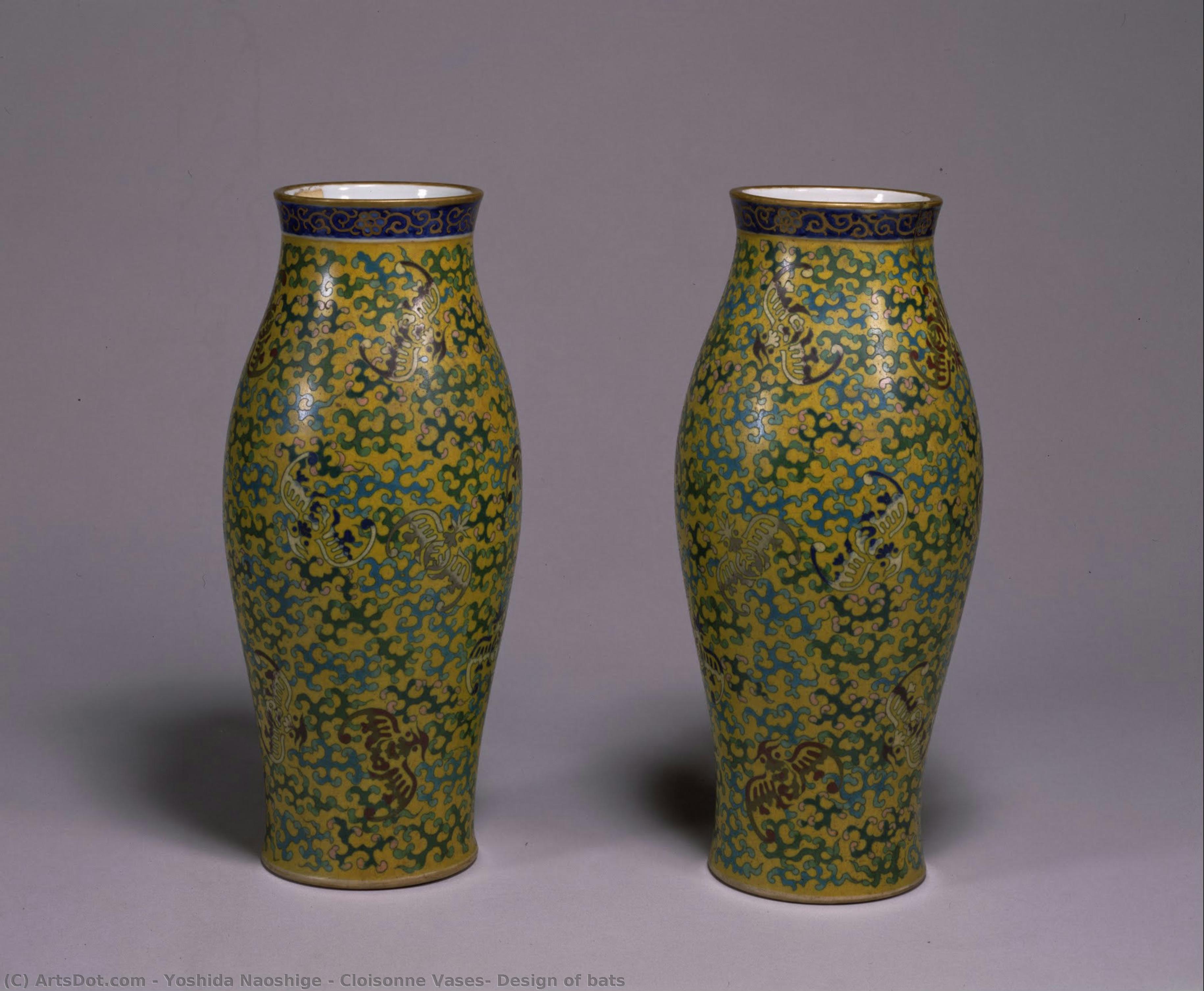
Cloisonne Vases, Design of bats

 Read More
Purchase a high-resolution, enhanced digital image, far superior to the online preview.
Each file is meticulously prepared by our in-house specialists using advanced tools and expert manual retouching. We ensure every image has exceptional clarity, precise color accuracy, and fine detail.
The final file is delivered via email within 72 hours, optimized for immediate use in professional, editorial, and print environments. This is the same quality trusted by top-tier design studios, publishers, and galleries.
Digital Image
Download a high-resolution file for personal display, printing, and creative projects. ( Buy Print Buy Hand Made Painting)
Included in Every Digital Image Order
Expert Digital Delivery, Guaranteed
When you choose ArtsDot.com, you're not just getting an image - you're receiving a professionally enhanced digital artwork, crafted with precision and backed by a satisfaction guarantee. Here's everything that comes with your order, automatically:

Fast Email Delivery
Your high-resolution digital image file will be emailed to you within 72 hours of ordering - ready for immediate use.

AI-Enhanced Digital File
Your artwork is professionally optimized using advanced AI tools and manual editing, ensuring maximum detail, clarity, and color accuracy.

Free Lifetime Re-Delivery
Accidentally deleted or lost your file? No worries - we'll resend it to you anytime, free of charge.

No Import Fees - Ever
Enjoy your artwork instantly with zero customs, duties, or delivery fees - digital downloads are always tax-free.

Color Accuracy Guarantee
We ensure your digital image reflects the original colors as closely as possible using professional tools and color management.

60-Day Satisfaction Guarantee
If you're not satisfied with your digital image, we'll revise it or refund 100% within 60 days - no questions asked.

100% Money-Back Guarantee
Not satisfied? Get a full refund within 60 days of receiving your digital file - no questions asked.

Bulk Order Discounts
Buy 3 images, save 10% - Buy 5, save 15% - Buy 10+, save 20%. Great for creative projects, galleries, and agencies.
Related Artworks








Artist Biography
A Glimpse into the World of Yoshida Naoshige
Yoshida Naoshige remains a somewhat enigmatic figure in the landscape of Japanese ceramics, yet his surviving work – most notably the ‘Cloisonne Vases, Design of Bats’ created in 1881 – offers a compelling window into the artistry and aesthetic sensibilities of late 19th-century Japan. Born in Tokyo, little is definitively known about Naoshige's life beyond this single attributed piece. This scarcity of biographical detail only adds to the allure surrounding his art, prompting speculation and deeper appreciation for the skill embedded within his creations. He existed during a period of rapid transformation in Japan, as the nation navigated its emergence from centuries of self-imposed isolation and embraced modernization while simultaneously striving to preserve its rich cultural heritage.The Art of Cloisonné: A Tradition Revived
Naoshige’s chosen medium, cloisonné – or *chinkin* as it is known in Japanese – represents a complex and demanding art form with roots stretching back centuries. The technique involves meticulously affixing metal wires to the surface of a ceramic body, creating compartments (cloisons) that are then filled with colorful enamel pastes. These pieces are fired multiple times, requiring immense precision and patience. While cloisonné had been practiced in Japan for hundreds of years, it experienced a significant revival during the Edo period (1603-1868), becoming particularly associated with decorative objects intended for export. Naoshige’s work suggests a mastery of this intricate process, demonstrating an understanding of both the technical challenges and the artistic possibilities inherent in cloisonné enamelwork. The ‘Cloisonne Vases, Design of Bats’ is not merely a display of technical prowess; it's a testament to the artist’s ability to imbue ceramic form with symbolic meaning and visual harmony.Symbolism and Aesthetic Considerations
The choice of subject matter – bats – is particularly noteworthy. In Japanese culture, bats (*kōmori*) are considered auspicious symbols representing longevity, happiness, and good fortune. Their association with these positive attributes stems from the phonetic similarity between *kōmori* and the phrase “good children” or “abundance.” The inclusion of bats in decorative arts was therefore a deliberate invocation of prosperity and well-being. Beyond the symbolic weight, the composition itself speaks to a refined aesthetic sensibility. The arrangement of the bats within the cloisonné design likely reflects principles of balance, harmony, and naturalism – core tenets of Japanese artistic philosophy. The vibrant colors used in the enamelwork would have further enhanced the visual impact, creating a striking contrast against the ceramic base.Historical Context and Legacy
Naoshige’s work emerged during a pivotal moment in Japanese history—the Meiji Restoration (1868-1912). This period witnessed sweeping political, social, and economic changes as Japan actively sought to modernize and compete with Western powers. While embracing new technologies and ideas, there was also a concerted effort to preserve and promote traditional arts and crafts. Artists like Naoshige played a crucial role in this endeavor, demonstrating the enduring value of Japanese artistic techniques and aesthetics. Although his life remains largely undocumented, Yoshida Naoshige’s ‘Cloisonne Vases, Design of Bats’ stands as a compelling example of Japanese ceramic artistry—a testament to skill, symbolism, and the rich cultural heritage of Japan. His work continues to be highly regarded by collectors and scholars alike, offering a glimpse into a fascinating period of artistic innovation and national identity.Further Research & Related Artists
While information on Yoshida Naoshige is limited, exploring artists working in similar styles during the late Edo and Meiji periods can provide valuable context. Consider researching:- Katsushika Hokusai: A master of *ukiyo-e* woodblock prints, known for his landscapes and depictions of everyday life.
- Tsukioka Yoshitoshi: Another prominent *ukiyo-e* artist celebrated for his dramatic historical scenes and portraits.
- Hiroshi Yoshida: A Shin-Hanga printmaker who blended traditional techniques with Western influences.
- Artists specializing in other forms of Japanese lacquerware and ceramic arts from the 19th century.
yoshida naoshige
Japan
Quick Facts
- Artistic Movement Or Style: Cloisonne
- Date Of Death: Living
- Full Name: Yoshida Naoshige
- Nationality: Japanese
- Notable Artworks: ['Cloisonne Vases, Design of bats']
- Place Of Birth: Tokyo, Japan

