 Preview
 Send
Send Share
Share
 Details

 Download
 Similars
 X-Ray
X-Ray Diaporama
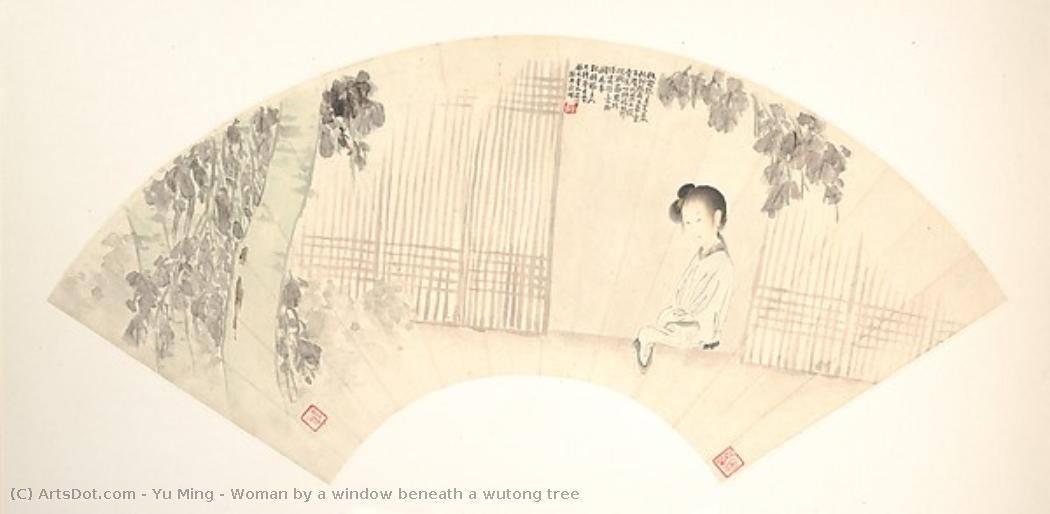
Woman by a window beneath a wutong tree
 1923
1923 19.0 x 55.0 cm
 Read More
Purchase a high-resolution, enhanced digital image, far superior to the online preview.
Each file is meticulously prepared by our in-house specialists using advanced tools and expert manual retouching. We ensure every image has exceptional clarity, precise color accuracy, and fine detail.
The final file is delivered via email within 72 hours, optimized for immediate use in professional, editorial, and print environments. This is the same quality trusted by top-tier design studios, publishers, and galleries.
Digital Image
Download a high-resolution file for personal display, printing, and creative projects. ( Buy Print Buy Hand Made Painting)
Included in Every Digital Image Order
Expert Digital Delivery, Guaranteed
When you choose ArtsDot.com, you're not just getting an image - you're receiving a professionally enhanced digital artwork, crafted with precision and backed by a satisfaction guarantee. Here's everything that comes with your order, automatically:

Fast Email Delivery
Your high-resolution digital image file will be emailed to you within 72 hours of ordering - ready for immediate use.

AI-Enhanced Digital File
Your artwork is professionally optimized using advanced AI tools and manual editing, ensuring maximum detail, clarity, and color accuracy.

Free Lifetime Re-Delivery
Accidentally deleted or lost your file? No worries - we'll resend it to you anytime, free of charge.

No Import Fees - Ever
Enjoy your artwork instantly with zero customs, duties, or delivery fees - digital downloads are always tax-free.

Color Accuracy Guarantee
We ensure your digital image reflects the original colors as closely as possible using professional tools and color management.

60-Day Satisfaction Guarantee
If you're not satisfied with your digital image, we'll revise it or refund 100% within 60 days - no questions asked.

100% Money-Back Guarantee
Not satisfied? Get a full refund within 60 days of receiving your digital file - no questions asked.

Bulk Order Discounts
Buy 3 images, save 10% - Buy 5, save 15% - Buy 10+, save 20%. Great for creative projects, galleries, and agencies.
Collectible Description
Related Artworks
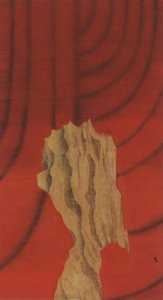
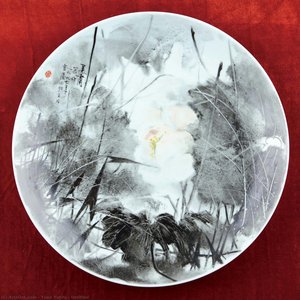
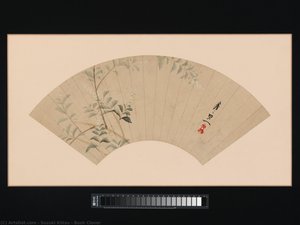
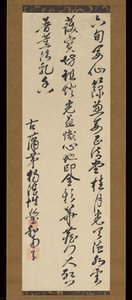

Artist Biography
The Harmonious World of Yu Ming: Bridging Tradition and Innovation
Yu Ming, a contemporary master deeply rooted in Chinese artistic heritage, stands as a compelling figure bridging the gap between centuries-old traditions and modern sensibilities. While biographical details remain intentionally focused on his work – a testament to the artist’s preference for allowing his creations speak for themselves – Yu Ming's impact on the landscape of Asian art is undeniable. Emerging from a lineage steeped in calligraphy, painting, and sculpture, he has cultivated a unique artistic voice that resonates with both connoisseurs and newcomers alike. His pieces aren't merely reproductions of classical styles; they are vibrant re-interpretations, imbued with a personal vision and technical prowess honed over decades of dedicated practice. Yu Ming’s art is born from a profound understanding of Chinese philosophy, particularly the concepts of harmony, balance (yin and yang), and the interconnectedness of nature and humanity. This philosophical underpinning informs every brushstroke, every curve of his sculptures, creating works that are not just visually stunning but also deeply contemplative.Early Influences and Artistic Development
Yu Ming’s artistic journey began with a rigorous immersion in traditional Chinese techniques. He dedicated years to mastering the art of calligraphy, recognizing it as the foundation for all subsequent forms of expression within Chinese painting. This early training instilled in him not only technical skill but also an appreciation for the spiritual dimension inherent in the practice – the importance of *qi* (life force) and its flow through the brush. He then expanded his studies to encompass landscape painting, absorbing the styles of renowned masters like Guo Xi and Fan Kuan, whose monumental depictions of nature profoundly influenced his own approach. However, Yu Ming didn’t simply replicate these historical precedents. He began experimenting with composition, color palettes, and subject matter, seeking to infuse traditional forms with a contemporary sensibility. This exploration led him to develop a distinctive style characterized by bold brushwork, subtle gradations of ink, and a masterful use of negative space. Later in his development, Yu Ming turned his attention to sculpture, initially working with wood before embracing bronze as his primary medium. He applied the same principles of harmony and balance that guided his painting, creating sculptures that are both powerful and graceful, often depicting scholars, figures from Chinese mythology, or abstract representations of natural forms.Themes and Symbolism in Yu Ming’s Art
The recurring themes within Yu Ming's oeuvre offer a window into his philosophical worldview. Landscapes are not merely depictions of physical environments but rather metaphors for the inner landscape of the human spirit – spaces for contemplation, self-discovery, and connection with the natural world. His scholar figures, often depicted engaged in activities such as reading, writing poetry, or playing musical instruments, embody the Confucian ideals of learning, virtue, and refinement. These figures are not simply portraits but rather archetypes representing the pursuit of wisdom and enlightenment.- Landscapes: Representing inner peace and harmony with nature.
- Scholar Figures: Embodying Confucian ideals of learning and virtue.
- Calligraphy: Serving as a meditative practice and expression of *qi*.
- Mythological Subjects: Exploring ancient stories and cultural values.