 Preview
 Send
Send Share
Share
 Details

 Download
 Similars
 X-Ray
X-Ray Diaporama
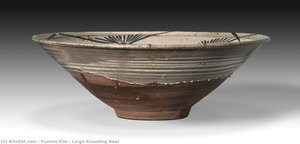
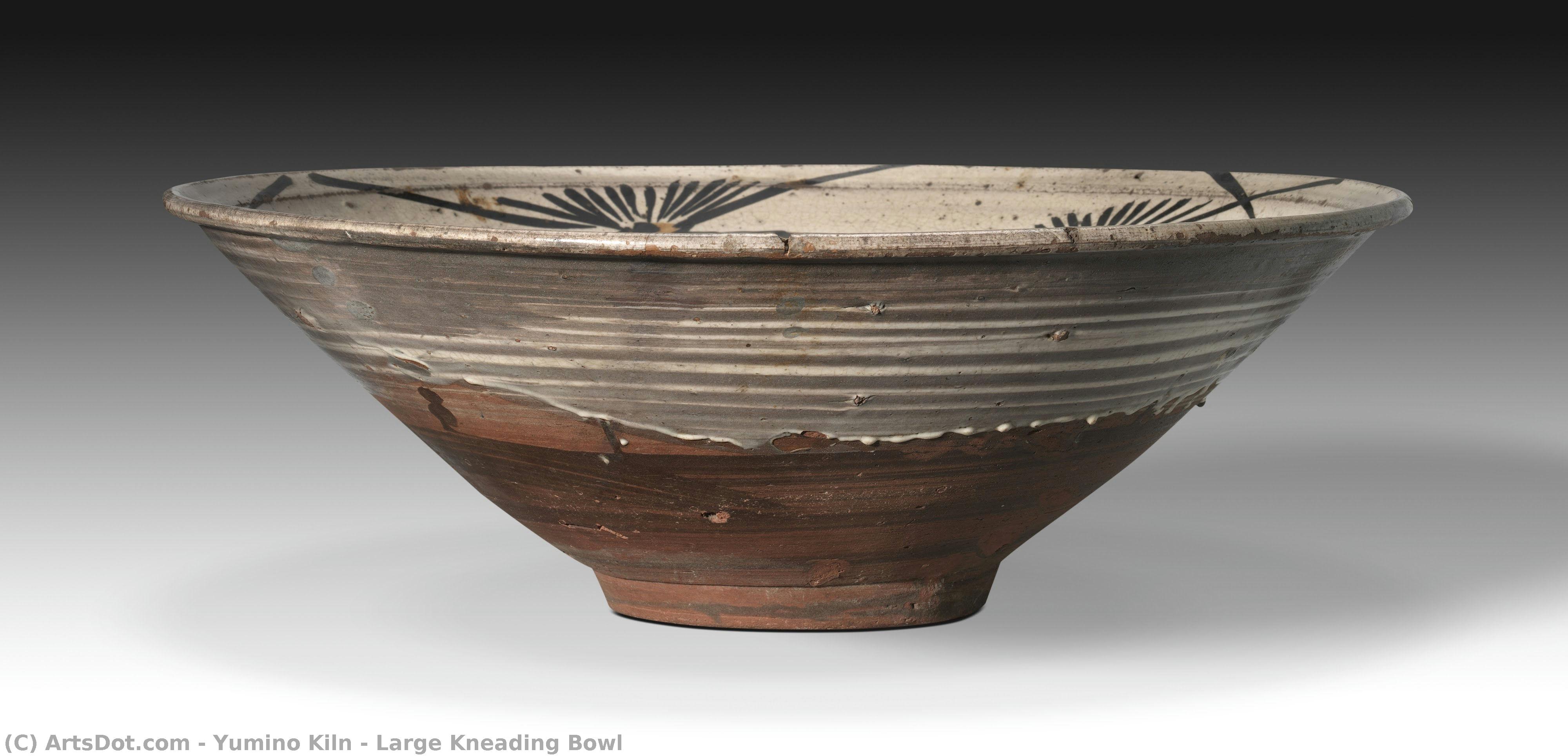
Large Kneading Bowl


 Read More
Giclée / Art Print
Museum-quality giclée or canvas print with fast production and flexible finish options. ( Buy Hand Made Painting Buy Image)




































Pick from our preset sizes that match the artwork's original proportions.

You may enter your own dimensions to fit a specific frame or space. If your selected size does not match the original image's proportions, we will either crop the artwork or extend the image with a mirrored or solid-fill edge. A digital mockup will be sent for your approval before production begins.
Please note that the on-screen preview does not reflect the actual cropping or extension. Only the mockup will accurately show the final composition.
While custom sizes are available, we recommend selecting a dimension from the predefined list to preserve the original proportions.
Worldwide Delivery () in 2 weeks instead of standard 4/5 weeks. (18 August)

Free Worldwide Express Shipping

High-Quality Linen Canvas

Full Shipping Insurance

Customs Tax Refund Guarantee

True Color Matching Guarantee

60-Day Return Policy (Defects Only)

100% Money-Back Guarantee

Bulk Discount Offer
 Glass option is only available in size under 110 CM

Large Kneading Bowl
Giclée / Art Print
Reproduction Size
-


Total Price
$ 63
Related Artworks



Artist Biography
A Legacy Forged in Clay: Exploring the Artistry of Yumino Kiln
Yumino Kiln stands as a testament to centuries of Japanese ceramic tradition, its history interwoven with the cultural fabric of Japan itself. While precise details about its founding remain elusive – whispers suggest origins stretching back over three hundred years – what is undeniable is its enduring reputation for producing exceptional ceramics, particularly the celebrated Large Kneading Bowl. This bowl, created in 1700, embodies not merely skillful craftsmanship but also a profound connection to ritual and artistic expression.- Origins & Early History: The Kiln’s Roots
- Technique & Materials: Mastering the Art of Clay Shaping
- The Large Kneading Bowl – Symbolism & Significance: An Icon of Japanese Ceramics
- Evolution Through Time: Adapting Tradition to Modern Aesthetics
- Legacy & Influence: Yumino Kiln’s Enduring Impact on Ceramic Art
Origins & Early History: The Kiln’s Roots
Records indicate that Yumino Kiln began its journey as a modest workshop nestled in the Yamashina region of Kyoto Prefecture. Initially focused on producing utilitarian wares – bowls, plates, and jars primarily intended for domestic use – the kiln quickly gained recognition for its consistent quality and adherence to established techniques. Unlike many kilns of its era which prioritized speed over precision, Yumino Kiln cultivated a reputation for meticulous attention to detail, prioritizing longevity and beauty alongside functionality. The early artisans recognized that true artistry lay not just in creating objects but in honoring the traditions passed down through generations.Technique & Materials: Mastering the Art of Clay Shaping
The hallmark of Yumino Kiln’s production is its mastery of *roriyaki*, a distinctive firing technique characterized by repeated heating and cooling cycles. This method, perfected over time, imparts exceptional hardness and translucency to the resulting ceramics – qualities that contribute significantly to their visual appeal and durability. The clay itself—sourced locally from Yamashina—is carefully prepared and blended with ash glaze ingredients, creating a unique pigment palette that reflects the natural hues of the surrounding landscape. Skilled artisans meticulously sculpt and mold the clay, employing tools passed down through families for generations, ensuring each piece retains an unmistakable character.The Large Kneading Bowl – Symbolism & Significance: An Icon of Japanese Ceramics
Perhaps Yumino Kiln’s most famous creation is the Large Kneading Bowl (Ō-Narezukebachi), produced in 1700 during the Edo Period. More than just a vessel for kneading dough, this bowl embodies profound symbolic meaning rooted in Zen Buddhism and agricultural rituals. Its rounded form represents wholeness and harmony, mirroring the cyclical nature of life and harvest. The glaze—a creamy white hue achieved through precise control over firing temperatures—symbolizes purity and serenity. Historians believe that the bowl was originally used by farmers to prepare rice cakes for festivals honoring Amaterasu Omikami, Japan’s sun goddess – a tradition reflecting the importance of agriculture in Japanese culture and spirituality.Evolution Through Time: Adapting Tradition to Modern Aesthetics
Despite maintaining its core techniques and aesthetic principles, Yumino Kiln has demonstrated remarkable adaptability throughout history. While preserving its heritage, artisans have experimented with subtle variations in glaze color and form, responding to evolving tastes and incorporating influences from Western ceramics. Contemporary Yumino Kiln pieces often showcase a refined elegance—a harmonious blend of traditional craftsmanship and modern sensibilities—reflecting Japan’s ongoing engagement with global artistic dialogues.Legacy & Influence: Yumino Kiln’s Enduring Impact on Ceramic Art
Today, Yumino Kiln continues to operate as a family-run enterprise, upholding the traditions established centuries ago. Its ceramics are celebrated internationally for their exceptional beauty and craftsmanship—displayed in museums and private collections across continents. More importantly, Yumino Kiln serves as an inspiration to aspiring ceramic artists worldwide, demonstrating that timeless artistry can flourish alongside innovation, ensuring that the legacy of this venerable kiln persists for generations to come.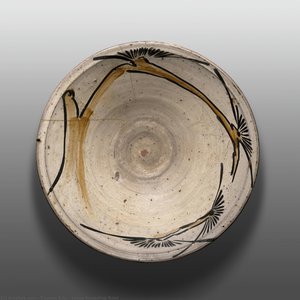
yumino kiln
Japan
Quick Facts
- Artistic Movement Or Style: Traditional Japanese Pottery
- Full Name: yumino kiln
- Nationality: Japanese
- Notable Artworks: ['Large Kneading Bowl']
- Place Of Birth: Japan