 Preview
 Send
Send Share
Share
 Details

 Download
 Similars
 X-Ray
X-Ray Diaporama
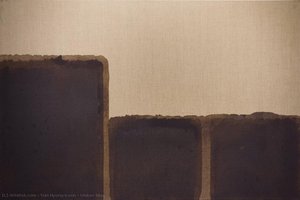
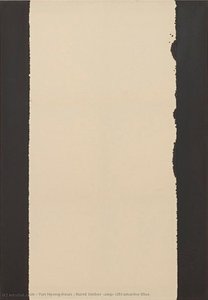
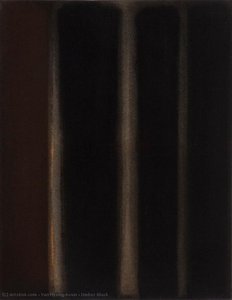
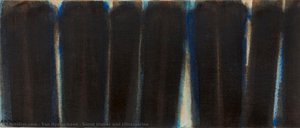
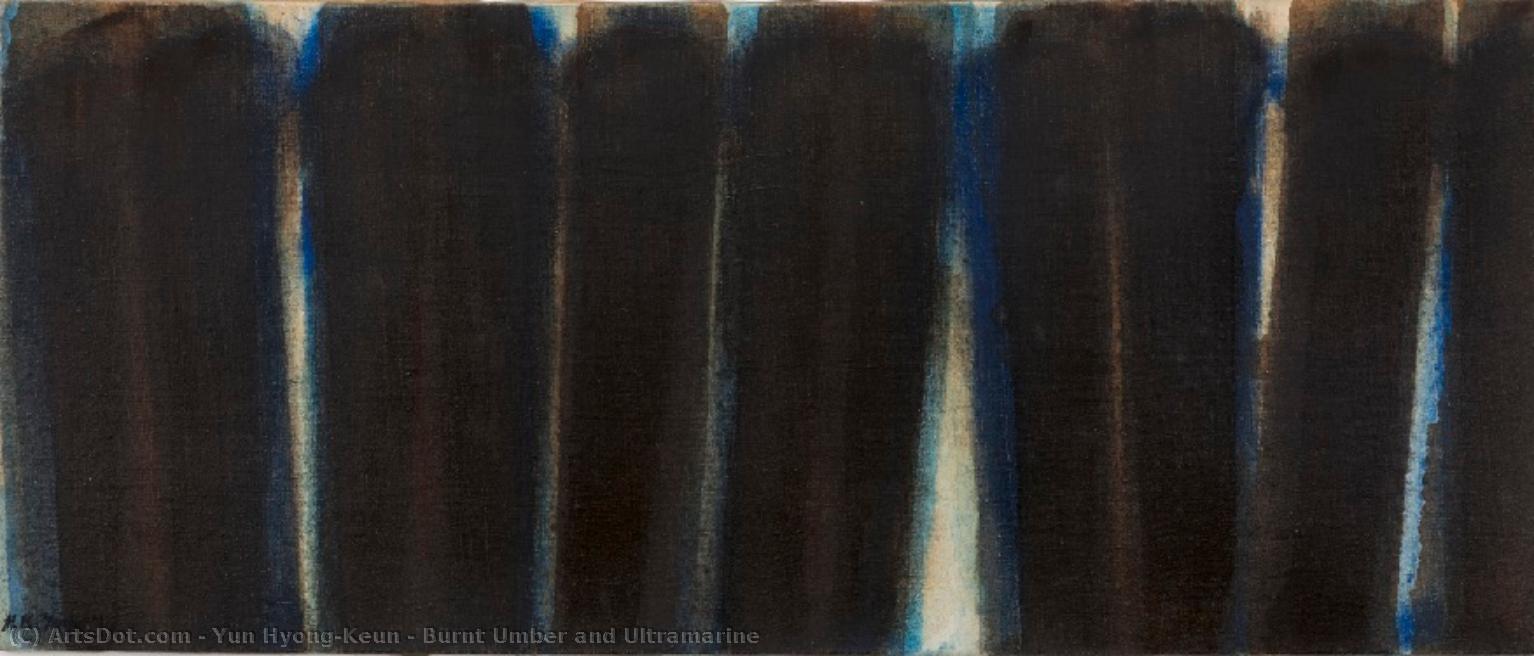
Burnt Umber and Ultramarine
 Color Field
 1973
1973 41.0 x 97.0 cm
 Read More
Hand Made Oil Reproduction
Hand-painted oil on canvas in your size and frame, made to order by our artists. ( Buy Print Buy Image)




































Pick from our preset sizes that match the artwork's original proportions.

You may enter your own dimensions to fit a specific frame or space. If your selected size does not match the original image's proportions, we will either crop the artwork or extend the painting with additional hand-painted elements. A digital mockup will be sent for your approval before production begins.
Please note that the on-screen preview does not reflect the actual cropping or extension. Only the mockup will accurately show the final composition.
While custom sizes are available, we recommend selecting a dimension from the predefined list to preserve the original proportions.
After order, ArtsDot.com team will email client for instructions and provide a mockup preview
Worldwide Delivery () in 3/4 weeks instead of standard 5 weeks. (23 August). No compromise on quality.

Free Worldwide Express Shipping

High-Quality Linen Canvas

Full Shipping Insurance

Customs Tax Refund Guarantee

True Color Matching Guarantee

60-Day Return Policy (Defects Only)

100% Money-Back Guarantee

Bulk Discount Offer
 Glass option is only available in size under 110 CM

Burnt Umber and Ultramarine
Reproduction Medium
Reproduction Size
-


Total Price
$ 263
Related Artworks
![Wheat Field With Rising Sun [1889] — Vincent Willem Van Gogh, Post-impressionism](/media/artworks/images-thumb/77/71/7771a95906cf1b4b7935dd57ec0448e9.jpg)
Artist Biography
A Life Etched in Umber and Blue: The Art of Yun Hyong-keun
Yun Hyong-keun (1928-2007) stands as a pivotal figure within the landscape of Korean art, his name inextricably linked to the Dansaekhwa movement—a profound response to the turbulent political climate and societal shifts of mid-century Korea. Born in Cheongju, nestled in North Chungcheong Province, Yun’s life was marked by both personal hardship and an unwavering dedication to artistic expression. His early years were shaped by a complex interplay of colonial rule, war, and political persecution, experiences that would profoundly inform the introspective and meditative quality of his later work. Even amidst the constraints of Japanese occupation, he received foundational art instruction, laying the groundwork for a career that would eventually transcend national boundaries and resonate with audiences worldwide. His education continued at Seoul National University, where he encountered Kim Whanki, who became both a mentor and, remarkably, his father-in-law—a relationship that significantly influenced Yun’s artistic trajectory during its formative stages. However, this period was also punctuated by arrests and expulsions due to involvement in student protests, culminating in the harrowing experience of being condemned to execution during the Korean War before miraculously escaping. These trials, etched into the fabric of his being, would later find subtle yet powerful expression within his canvases.The Genesis of a Distinctive Style: From Lyrical Abstraction to Monochromatic Meditation
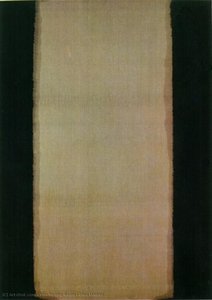
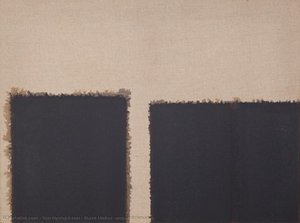
Yun’s artistic journey wasn't always defined by the somber tones that would come to characterize his most celebrated works. His early paintings, primarily from the 1960s, reveal a more lyrical and fantastical aesthetic—abstract compositions bathed in blues, hinting at influences from Kim Whanki. These vibrant pieces, though fewer survive today, demonstrate a nascent talent for color and texture. However, it was the tumultuous events of the 1970s – unjust accusations and imprisonment under anti-communist laws – that served as a catalyst for a radical shift in his artistic approach. Released from prison in 1973, Yun embarked on a period of intense introspection, leading to the development of his signature style: monumental canvases dominated by vertical bands of burnt umber and ultramarine blue. This wasn't merely a change in palette; it represented a profound philosophical reorientation. The restricted color range became a deliberate choice, stripping away extraneous detail to focus on fundamental elements—the interplay of light and shadow, the texture of the paint itself, and the vastness of the canvas. He would lay his canvases directly on the floor, applying layer upon layer of diluted oil paints, allowing them to seep into the raw linen or hemp fabric. This technique created blurred edges and a sense of ethereal depth, evoking a feeling of quiet contemplation.Dansaekhwa and Beyond: A Korean Sensibility of Reflection
Yun Hyong-keun’s work is intrinsically linked to the Dansaekhwa movement, which emerged in Korea during the 1970s as a response to the political turmoil and societal pressures of the time. “Dansaekhwa” translates roughly to "single color" or "monochrome painting," reflecting the movement's emphasis on simplicity, repetition, and materiality. While other Dansaekhwa artists explored various techniques—such as repetitive patterns or textured surfaces—Yun’s approach was uniquely characterized by its monumental scale and profound sense of stillness. His paintings weren't simply monochromatic; they were fields of subtle variation within a limited palette, inviting viewers to lose themselves in their depths. The vertical bands, often described as “gates,” alluded to traditional Korean concepts of heaven and earth, suggesting a connection between the earthly realm and something beyond. His work resonated with international audiences, particularly after his 1974 visit to New York where he encountered the works of Mark Rothko, further refining his understanding of color field painting. The recognition from Donald Judd, who invited Yun to exhibit at his spaces in New York and Texas, solidified his position on the global art stage.Legacy: A Timeless Exploration of Existence
Yun Hyong-keun’s artistic legacy extends far beyond the confines of Korean art history. His work has been embraced by collectors and institutions worldwide, securing his place among the most significant artists of the 20th century. The profound simplicity and meditative quality of his paintings continue to captivate viewers, transcending cultural boundaries and speaking to universal themes of existence, reflection, and the passage of time. His influence can be seen in contemporary art that prioritizes process, materiality, and a quiet contemplation over overt narrative or representation. Yun’s ability to distill complex emotions and philosophical concepts into seemingly simple forms—a testament to his resilience and artistic vision—ensures that his work will continue to inspire and resonate for generations to come. His paintings are not merely objects of aesthetic beauty; they are portals to a space of quiet introspection, inviting us to confront the profound mysteries of life itself.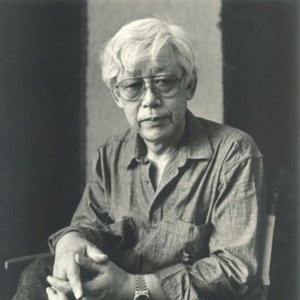
yun hyong–keun
1928 - 2007 , South Korea
Quick Facts
- Artistic Movement Or Style: Dansaekhwa
- Artists Who Influenced This Artist: ['Kim Whanki']
- Date Of Birth: April 12, 1928
- Date Of Death: December 28, 2007
- Full Name: Yun Hyong-keun
- Nationality: South Korean
- Notable Artworks:
- Burnt Umber & Ultramarine Blue
- Umber Blue
- Blue Umber
- Place Of Birth: Cheongju, South Korea