

 Send
Send Share
Share
 Details

 Download
 Similars
 Diaporama
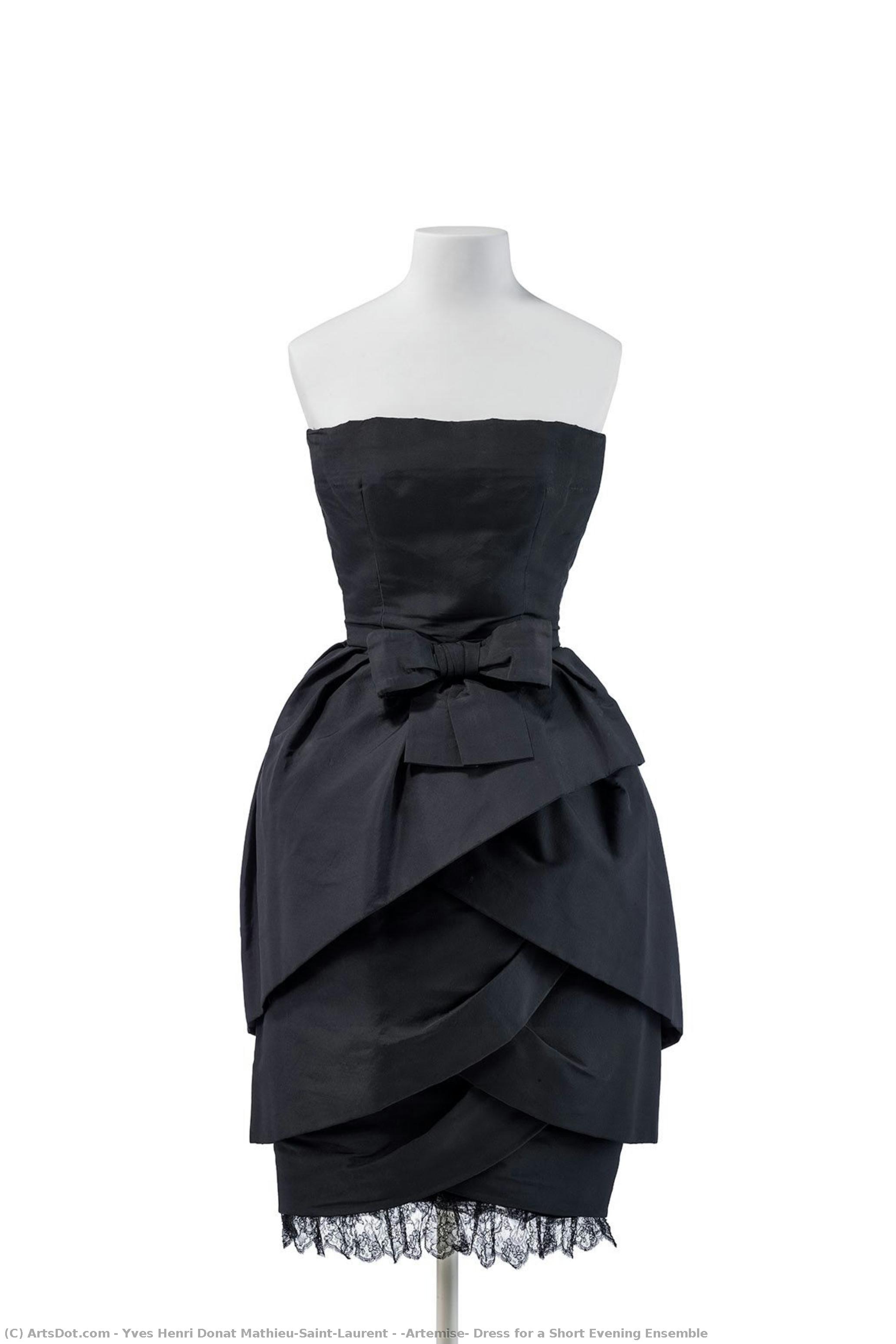
“Artemise” Dress for a Short Evening Ensemble


 Read More
Purchase a high-resolution, enhanced digital image, far superior to the online preview.
Each file is meticulously prepared by our in-house specialists using advanced tools and expert manual retouching. We ensure every image has exceptional clarity, precise color accuracy, and fine detail.
The final file is delivered via email within 72 hours, optimized for immediate use in professional, editorial, and print environments. This is the same quality trusted by top-tier design studios, publishers, and galleries.
Digital Image
Download a high-resolution file for personal display, printing, and creative projects. ( Buy Print Buy Hand Made Painting)
Included in Every Digital Image Order
Expert Digital Delivery, Guaranteed
When you choose ArtsDot.com, you're not just getting an image - you're receiving a professionally enhanced digital artwork, crafted with precision and backed by a satisfaction guarantee. Here's everything that comes with your order, automatically:

Fast Email Delivery
Your high-resolution digital image file will be emailed to you within 72 hours of ordering - ready for immediate use.

AI-Enhanced Digital File
Your artwork is professionally optimized using advanced AI tools and manual editing, ensuring maximum detail, clarity, and color accuracy.

Free Lifetime Re-Delivery
Accidentally deleted or lost your file? No worries - we'll resend it to you anytime, free of charge.

No Import Fees - Ever
Enjoy your artwork instantly with zero customs, duties, or delivery fees - digital downloads are always tax-free.

Color Accuracy Guarantee
We ensure your digital image reflects the original colors as closely as possible using professional tools and color management.

60-Day Satisfaction Guarantee
If you're not satisfied with your digital image, we'll revise it or refund 100% within 60 days - no questions asked.

100% Money-Back Guarantee
Not satisfied? Get a full refund within 60 days of receiving your digital file - no questions asked.

Bulk Order Discounts
Buy 3 images, save 10% - Buy 5, save 15% - Buy 10+, save 20%. Great for creative projects, galleries, and agencies.
Collectible Description
The Genesis of a Silhouette: Yves Saint Laurent’s “Artemise”
In the twilight of the mid-20th century, fashion transcended mere utility and embraced a potent form of artistic expression. Yves Saint Laurent's "Artemise" Dress, created for Christian Dior in 1959, stands as a testament to this shift—a meticulously crafted garment that captured the spirit of Parisian glamour while simultaneously pushing the boundaries of couture design. More than just a dress, it’s a frozen moment of audacious elegance, a dialogue between architectural precision and fluid femininity. The image before us isn't merely a photograph; it’s a portal to a specific time and place, a carefully constructed tableau vivant that speaks volumes about Dior’s vision and Saint Laurent’s burgeoning genius.
- The Dior Legacy: Dior, reeling from the sudden death of its founder, Christian Dior, in 1957, was navigating a delicate period. Yves Saint Laurent, then a young apprentice, stepped into the role of creative director, tasked with preserving the house’s legacy while simultaneously forging his own distinctive style. The “Artemise” dress embodies this duality – it retains the structured formality of Dior's signature silhouette but infuses it with a distinctly modern sensibility.
- Eugenia Sheppard’s Observation: The description itself, attributed to Eugenia Sheppard, highlights the prevailing trend of the era—the revival of hobble skirts and the embrace of bold, sculptural forms. This context is crucial; Saint Laurent wasn't simply designing a dress; he was responding to a cultural moment, translating it into wearable art.
Deconstructing the Form: Structure and Movement
The dress’s visual impact stems from its masterful manipulation of form. The bodice, a rigid rectangle of fitted black fabric, provides an anchor for the dramatic volume that follows. This stark geometry is then countered by the skirt—a cascading series of layered semi-circles, each subtly tapering downwards. This creates a captivating sense of movement and dynamism; it’s as if the dress is perpetually caught in a graceful, swirling motion. The delicate lace edging, flashing beneath the hemline, adds another layer of visual interest – a whisper of fragility against the assertive structure.
Key Elements:- Tulip Skirt: The layered semi-circles create a distinctive tulip shape, reminiscent of a stylized flower.
- Lace Detail: The strategically placed lace introduces an element of lightness and texture, preventing the dress from appearing overly heavy or imposing.
- Bow Accent: The central bow at the waist serves as both a decorative flourish and a focal point, drawing attention to the figure’s natural curves.
Color Palette and Composition – A Study in Contrast
The predominantly navy blue/black palette immediately establishes an atmosphere of sophistication and formality. The deep hue lends itself to dramatic lighting, highlighting the dress's sculptural qualities. The photograph’s composition is remarkably clean and straightforward—a frontal view against a neutral background that allows the dress to command attention. Symmetry plays a key role, reinforcing the sense of balance and order inherent in the design. However, subtle irregularities – the unevenness of the lace, the slight variations in fabric texture – prevent the image from feeling overly rigid or artificial.
Lighting & Perspective:- Soft Lighting: The diffused lighting minimizes harsh shadows, allowing for a detailed appreciation of the fabric’s textures.
- Frontal Perspective: The direct frontal view creates an immediate connection with the viewer, inviting them to examine the dress's design in detail.
Symbolism and Historical Context – A Reflection of Style
Beyond its aesthetic qualities, “Artemise” is deeply rooted in the cultural landscape of 1959 Paris. It embodies the post-war optimism and burgeoning consumer culture that defined the era. The dress’s structured silhouette reflects a desire for formality and elegance, while the flowing skirt hints at a more liberated spirit. Saint Laurent's use of non-European references—the layered skirt drawing inspiration from traditional garments—demonstrates his willingness to challenge established conventions and embrace global influences. It is a garment that speaks not only of fashion but also of a particular moment in history – a time of transformation, innovation, and the rise of youth culture.
Related Artworks

Artist Biography
A Revolutionary Silhouette: The Life and Legacy of Yves Saint Laurent
Yves Henri Donat Mathieu-Saint Laurent, known universally as Yves Saint Laurent or YSL, wasn’t merely a fashion designer; he was an architect of style, a cultural seismograph who redefined the landscape of 20th and 21st-century dress. Born in Oran, Algeria, in 1936, his upbringing amidst the vibrant colors and exotic textures of North Africa instilled within him a lifelong appreciation for beauty and luxury – a sensibility that would permeate his groundbreaking work. This early exposure to a world beyond the Parisian mainstream proved formative, shaping an aesthetic that consistently challenged conventions and embraced global influences. From crafting paper dolls as a child to sketching designs that captivated industry insiders, Saint Laurent’s destiny seemed preordained. His move to Paris at seventeen marked not just a geographical shift but a plunge into the heart of haute couture, where he quickly distinguished himself with a rare talent and an intuitive understanding of form and fabric.From Dior's Protégé to Independent Visionary
Saint Laurent’s ascent was meteoric. His designs caught the discerning eye of Christian Dior, who immediately recognized his potential, taking him on as an assistant. The sudden death of Dior in 1957 thrust a remarkably young Saint Laurent – just twenty-one years old – into the position of artistic director of the House of Dior. This was an unprecedented appointment, placing immense pressure on the fledgling designer. He responded with a collection that stunned the fashion world, demonstrating both respect for Dior’s legacy and a burgeoning individual style. However, his tenure at Dior was turbulent. A period of military service in 1958, coupled with the emotional strain of leadership, led to a nervous breakdown and ultimately, his dismissal. This challenging chapter, though painful, proved pivotal. It freed Saint Laurent to forge his own path, unburdened by the expectations of an established house. In 1962, backed financially by Roland Fréy, he launched Yves Saint Laurent YSL, a venture that would irrevocably alter the course of fashion history. His first collection immediately signaled a departure from the cinched waists and restrictive silhouettes of Dior’s “New Look,” introducing the revolutionary "trapeze" dress – an A-line shape that offered freedom of movement and a modern sensibility.Challenging Norms: Le Smoking and Beyond
Yves Saint Laurent wasn't content to simply follow trends; he actively *created* them, often by dismantling established norms. Perhaps his most iconic creation, “Le Smoking,” introduced in 1968, was a masterstroke of subversive elegance. A tuxedo suit designed for women, it challenged gender roles and empowered wearers with its sophisticated, masculine aesthetic. It wasn’t merely about clothing; it was a statement – a declaration of female strength and independence. This bold move resonated deeply with the changing social landscape of the late 1960s and continues to inspire designers today. Recognizing the need for more accessible fashion, Saint Laurent launched Rive Gauche in 1966, a ready-to-wear line that democratized his designs, bringing high fashion within reach of a wider audience. This innovative approach blurred the lines between couture and prêt-à-porter, forever changing the industry’s structure. His artistic explorations extended beyond tailoring; the Mondrian dress of 1965, inspired by Piet Mondrian's geometric paintings, was a groundbreaking example of art influencing fashion, demonstrating his willingness to embrace modernism. He also drew inspiration from African textiles and motifs, showcasing a cultural awareness that was ahead of its time, and employed bold color blocking as a signature element in many collections.A Lasting Influence: Redefining Femininity and Beyond
Yves Saint Laurent’s legacy extends far beyond specific garments or trends. He redefined femininity, offering women clothing that combined elegance with comfort and strength – a radical departure from the often-restrictive styles of previous eras. He successfully integrated couture techniques into ready-to-wear collections, making high fashion more accessible without sacrificing quality or artistry. His work wasn’t simply about aesthetics; it was about empowering women to express themselves through clothing, to feel confident and beautiful in their own skin. Saint Laurent became a cultural icon, celebrated for his creativity, innovation, and profound influence on generations of designers. His designs are now represented in major museums worldwide – the Musée des Beaux-Arts in Algiers, the Museum of the City of New York, among many others – solidifying his place as one of the most important figures in fashion history. He didn't just dress women; he liberated them. His impact continues to be felt today, not only in the designs that echo his aesthetic but also in the spirit of innovation and inclusivity that he championed throughout his remarkable career.Key Works & Artistic Echoes
- Le Smoking (1968): The iconic tuxedo suit for women, a symbol of empowerment and gender fluidity.
- Mondrian Dress (1965): A groundbreaking design inspired by Piet Mondrian’s geometric paintings, showcasing the intersection of art and fashion.
- Rive Gauche Line (1966): The revolutionary ready-to-wear line that democratized high fashion.
- Velvet Collections: Luxurious evening dresses crafted from sumptuous velvet, embodying opulence and glamour.
- African Inspired Designs: Incorporation of African textiles and motifs, reflecting a global perspective and cultural appreciation.
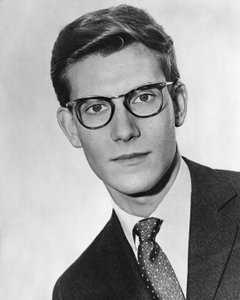
Yves Saint Laurent
1936 - 2008 , Algeria
Quick Facts
- Artistic Movement Or Style: Haute Couture, Modern Design
- Artists Or Movements Influenced By This Artist:
- 20th Century Fashion
- Ready-to-Wear
- Artists Who Influenced This Artist: ['Christian Dior']
- Date Of Birth: August 1, 1936
- Date Of Death: June 1, 2008
- Full Name: Yves Henri Donat Mathieu-Saint Laurent
- Nationality: French
- Notable Artworks:
- Le Smoking
- Mondrian Dress
- Trapeze Dress
- Place Of Birth: Oran, Algeria

