 Preview
 Send
Send Share
Share
 Details

 Download
 Similars
 X-Ray
X-Ray Diaporama
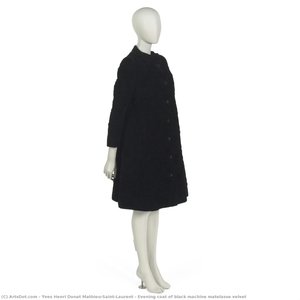
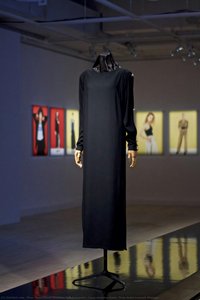
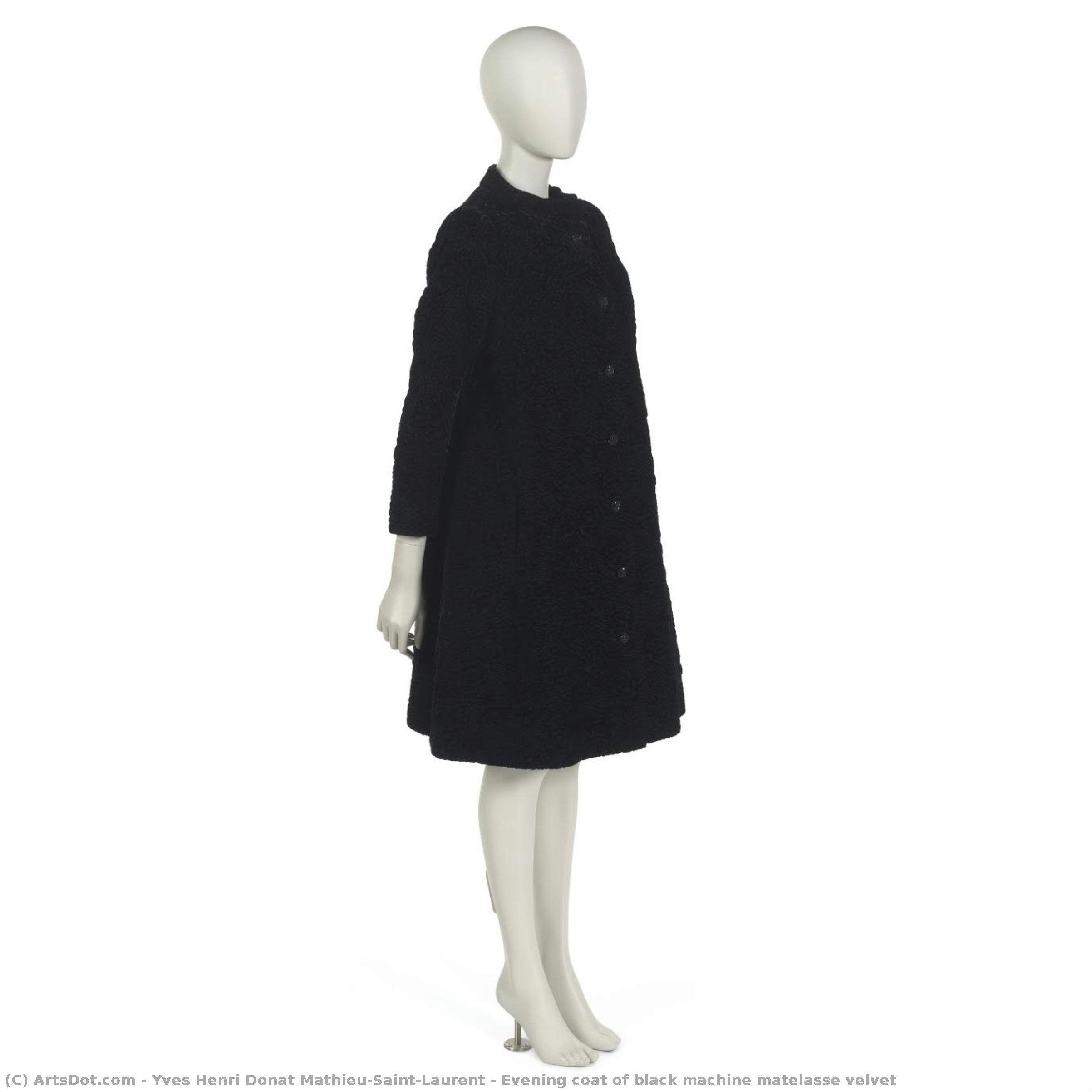
Evening coat of black machine matelasse velvet


 Read More
Giclée / Art Print
Museum-quality giclée or canvas print with fast production and flexible finish options. ( Buy Hand Made Painting Buy Image)




P118B $10

P118H $10

P118W $10

P438Z $10

P508JH $12

P508YH $12

P805H $10

P805Z $10

P919BZ $10

P919G $10

P919XJ $10

P959ZH $10

P968JZ $12

W106C $8

W218G $10

W218JH $8

W218Y $10

W307PJ $10

W316G $10

W316PJ $8

W316Y $10

W398PJ $8

W4111J $10

W500HY $15

W500JH $15

W692G $12

W849H $8

W940BG $15

W953PJ $8




Pick from our preset sizes that match the artwork's original proportions.

You may enter your own dimensions to fit a specific frame or space. If your selected size does not match the original image's proportions, we will either crop the artwork or extend the image with a mirrored or solid-fill edge. A digital mockup will be sent for your approval before production begins.
Please note that the on-screen preview does not reflect the actual cropping or extension. Only the mockup will accurately show the final composition.
While custom sizes are available, we recommend selecting a dimension from the predefined list to preserve the original proportions.
Worldwide Delivery () in 2 weeks instead of standard 4/5 weeks. (28 August)

Free Worldwide Express Shipping

High-Quality Linen Canvas

Full Shipping Insurance

Customs Tax Refund Guarantee

True Color Matching Guarantee

60-Day Return Policy (Defects Only)

100% Money-Back Guarantee

Bulk Discount Offer
 Glass option is only available in size under 110 CM

Evening coat of black machine matelasse velvet
Giclée / Art Print
Reproduction Size
-


Total Price
$ 63
The Architect of Velvet: Yves Saint Laurent’s 1967 Evening Coat
Yves Saint Laurent's 1967 “Evening Coat of Black Machine Matelasse Velvet” isn’t merely a garment; it’s a meticulously crafted statement, a miniature architectural marvel rendered in luxurious velvet. Born from the vibrant energy of post-war Paris and infused with the exoticism of his Algerian upbringing, this coat embodies Saint Laurent's revolutionary approach to fashion – one that seamlessly blended high art, historical references, and a profound understanding of the female form. It’s a piece that whispers of sophistication, daring, and an unapologetic embrace of texture and pattern.
The coat’s genesis lies in Saint Laurent’s groundbreaking 1967 African Collection, a bold departure from the predominantly European influences dominating haute couture at the time. Inspired by his travels to Morocco and a desire to challenge conventional notions of beauty and style, he sought to incorporate elements of non-Western cultures into his designs. This collection wasn't simply about appropriation; it was an exploration of diverse aesthetics, a deliberate juxtaposition of textures, patterns, and silhouettes that reflected a globalized world on the cusp of change. The matelasse velvet itself – a technique involving raised stitching to create a textured surface – immediately evokes the intricate craftsmanship found in Berber textiles, hinting at this cultural dialogue.
A Symphony of Texture: Technique and Materiality
The coat’s most striking feature is undoubtedly its incredible texture. The machine matelasse velvet isn't smooth; it’s a complex landscape of raised peaks and valleys, meticulously created through a painstaking process of stitching. This technique, combined with the pebbled rose pattern – a subtle yet sophisticated embellishment – creates an almost sculptural effect. The deep black hue amplifies this tactile quality, drawing attention to the intricate details and lending the coat an air of dramatic elegance. The use of faceted glass buttons adds another layer of visual interest, their sharp angles contrasting beautifully with the softness of the velvet.
Beyond the surface, the construction reveals a masterful understanding of tailoring. The A-line skirt flares gracefully from the knee, creating a fluid silhouette that moves with ease. The rolled collar and long, straight sleeves contribute to the coat’s timeless appeal, while the slit hip pockets offer both practicality and a touch of rebellious flair. The interior lining of black taffeta provides a luxurious contrast to the exterior velvet, further enhancing the sense of opulence.
Symbolism and Context: A Moment in Fashion History
This coat represents more than just a fashionable garment; it’s a cultural artifact reflecting a pivotal moment in fashion history. Saint Laurent's decision to utilize machine matelasse velvet, traditionally associated with masculine tailoring, was a deliberate subversion of established norms. He elevated this technique, typically relegated to menswear, and applied it to a feminine silhouette, challenging the rigid boundaries of gendered dressing. The “pebbled rose” pattern itself can be interpreted as a subtle nod to both the beauty of natural landscapes and the burgeoning consumer culture of the 1960s.
Worn by Claire Alcee (Mrs. Andrew Strong White), a prominent socialite, the coat embodies the glamour and sophistication of the era. It speaks to a woman who embraced bold style while maintaining an air of understated elegance – a figure perfectly aligned with Saint Laurent’s vision for modern femininity. The coat's presence in her wardrobe signifies not just a fashion choice but a statement of confidence and artistic sensibility.
A Legacy of Innovation: Reproduction and Inspiration
Today, reproductions of this iconic coat continue to captivate collectors and interior designers alike. Its enduring appeal lies in its masterful blend of technique, symbolism, and timeless style. When selecting a reproduction, consider the quality of the velvet – it should possess the same rich texture and depth as the original. The attention to detail—the precise stitching, the carefully placed buttons—is paramount to capturing the essence of this remarkable garment. It’s a reminder that fashion is not simply about following trends; it's about celebrating artistry, innovation, and the enduring power of design.
Related Artworks
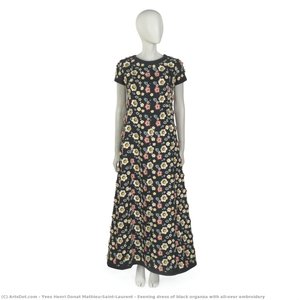
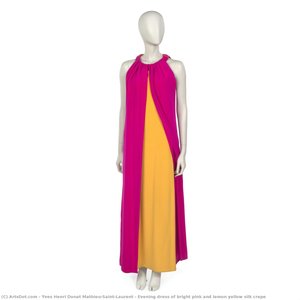
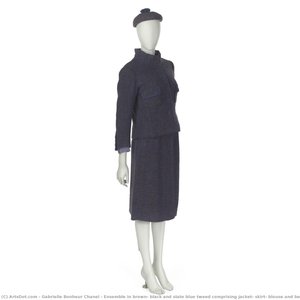
Artist Biography
A Revolutionary Silhouette: The Life and Legacy of Yves Saint Laurent
Yves Henri Donat Mathieu-Saint Laurent, known universally as Yves Saint Laurent or YSL, wasn’t merely a fashion designer; he was an architect of style, a cultural seismograph who redefined the landscape of 20th and 21st-century dress. Born in Oran, Algeria, in 1936, his upbringing amidst the vibrant colors and exotic textures of North Africa instilled within him a lifelong appreciation for beauty and luxury – a sensibility that would permeate his groundbreaking work. This early exposure to a world beyond the Parisian mainstream proved formative, shaping an aesthetic that consistently challenged conventions and embraced global influences. From crafting paper dolls as a child to sketching designs that captivated industry insiders, Saint Laurent’s destiny seemed preordained. His move to Paris at seventeen marked not just a geographical shift but a plunge into the heart of haute couture, where he quickly distinguished himself with a rare talent and an intuitive understanding of form and fabric.From Dior's Protégé to Independent Visionary
Saint Laurent’s ascent was meteoric. His designs caught the discerning eye of Christian Dior, who immediately recognized his potential, taking him on as an assistant. The sudden death of Dior in 1957 thrust a remarkably young Saint Laurent – just twenty-one years old – into the position of artistic director of the House of Dior. This was an unprecedented appointment, placing immense pressure on the fledgling designer. He responded with a collection that stunned the fashion world, demonstrating both respect for Dior’s legacy and a burgeoning individual style. However, his tenure at Dior was turbulent. A period of military service in 1958, coupled with the emotional strain of leadership, led to a nervous breakdown and ultimately, his dismissal. This challenging chapter, though painful, proved pivotal. It freed Saint Laurent to forge his own path, unburdened by the expectations of an established house. In 1962, backed financially by Roland Fréy, he launched Yves Saint Laurent YSL, a venture that would irrevocably alter the course of fashion history. His first collection immediately signaled a departure from the cinched waists and restrictive silhouettes of Dior’s “New Look,” introducing the revolutionary "trapeze" dress – an A-line shape that offered freedom of movement and a modern sensibility.Challenging Norms: Le Smoking and Beyond
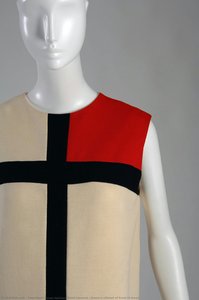
Yves Saint Laurent wasn't content to simply follow trends; he actively *created* them, often by dismantling established norms. Perhaps his most iconic creation, “Le Smoking,” introduced in 1968, was a masterstroke of subversive elegance. A tuxedo suit designed for women, it challenged gender roles and empowered wearers with its sophisticated, masculine aesthetic. It wasn’t merely about clothing; it was a statement – a declaration of female strength and independence. This bold move resonated deeply with the changing social landscape of the late 1960s and continues to inspire designers today. Recognizing the need for more accessible fashion, Saint Laurent launched Rive Gauche in 1966, a ready-to-wear line that democratized his designs, bringing high fashion within reach of a wider audience. This innovative approach blurred the lines between couture and prêt-à-porter, forever changing the industry’s structure. His artistic explorations extended beyond tailoring; the Mondrian dress of 1965, inspired by Piet Mondrian's geometric paintings, was a groundbreaking example of art influencing fashion, demonstrating his willingness to embrace modernism. He also drew inspiration from African textiles and motifs, showcasing a cultural awareness that was ahead of its time, and employed bold color blocking as a signature element in many collections.A Lasting Influence: Redefining Femininity and Beyond
Yves Saint Laurent’s legacy extends far beyond specific garments or trends. He redefined femininity, offering women clothing that combined elegance with comfort and strength – a radical departure from the often-restrictive styles of previous eras. He successfully integrated couture techniques into ready-to-wear collections, making high fashion more accessible without sacrificing quality or artistry. His work wasn’t simply about aesthetics; it was about empowering women to express themselves through clothing, to feel confident and beautiful in their own skin. Saint Laurent became a cultural icon, celebrated for his creativity, innovation, and profound influence on generations of designers. His designs are now represented in major museums worldwide – the Musée des Beaux-Arts in Algiers, the Museum of the City of New York, among many others – solidifying his place as one of the most important figures in fashion history. He didn't just dress women; he liberated them. His impact continues to be felt today, not only in the designs that echo his aesthetic but also in the spirit of innovation and inclusivity that he championed throughout his remarkable career.Key Works & Artistic Echoes
- Le Smoking (1968): The iconic tuxedo suit for women, a symbol of empowerment and gender fluidity.
- Mondrian Dress (1965): A groundbreaking design inspired by Piet Mondrian’s geometric paintings, showcasing the intersection of art and fashion.
- Rive Gauche Line (1966): The revolutionary ready-to-wear line that democratized high fashion.
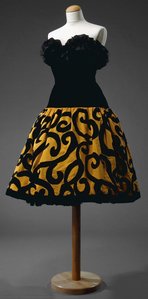
- Velvet Collections: Luxurious evening dresses crafted from sumptuous velvet, embodying opulence and glamour.
- African Inspired Designs: Incorporation of African textiles and motifs, reflecting a global perspective and cultural appreciation.
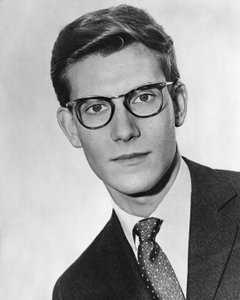
Yves Saint Laurent
1936 - 2008 , Algeria
Quick Facts
- Artistic Movement Or Style: Haute Couture, Modern Design
- Artists Or Movements Influenced By This Artist:
- 20th Century Fashion
- Ready-to-Wear
- Artists Who Influenced This Artist: ['Christian Dior']
- Date Of Birth: August 1, 1936
- Date Of Death: June 1, 2008
- Full Name: Yves Henri Donat Mathieu-Saint Laurent
- Nationality: French
- Notable Artworks:
- Le Smoking
- Mondrian Dress
- Trapeze Dress
- Place Of Birth: Oran, Algeria
Related Articles

Dark Masterpieces: 10 Iconic Paintings Dominated by Black Tones |
Explore 10 iconic paintings dominated by black tones, from Rembrandt’s chiaroscuro to Goya's dark expressions. Discover the stories behind these masterpieces & find museum-quality art reproductions for your home at .
Discover the Divine: Inspiring Saint Anthony Artworks to Elevate Your Home Decor
Transform your home with the profound beauty of Saint Anthony artworks. Explore exquisite Baroque reproductions by Murillo and Zurbarán, hand-painted on 100% cotton canvas to bring divine serenity and timeless elegance to your interior design.

Mars Black Masterpieces: 10 Iconic Paintings & Timeless Art Decor Ideas
Delve into the power of 'Mars Black' with 10 iconic paintings by masters like Rembrandt & Caravaggio. Explore dramatic chiaroscuro, gothic art, and timeless beauty. Find museum-quality reproductions & elevate your home decor on .
Lamp Black & Masterpieces: 10 Paintings That Define Shadow & Light |
Delve into the captivating world of 'Lamp Black' tones with 10 iconic paintings by masters like Rembrandt & Caravaggio. Explore Baroque chiaroscuro, dramatic lighting & shadow in art history. Find museum-quality reproductions at

Ivory Black Masters: 10 Paintings That Define Dramatic Art |
Delve into the power of 'Ivory Black' with 10 iconic paintings by masters like Rembrandt & Caravaggio. Explore dramatic chiaroscuro, gothic moods & timeless art history. Find museum-quality reproductions and elevate your home decor at