 Preview
 Send
Send Share
Share
 Details

 Download
 Similars
 X-Ray
X-Ray Diaporama
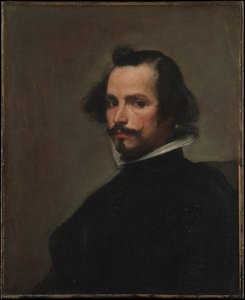
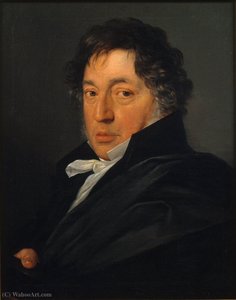
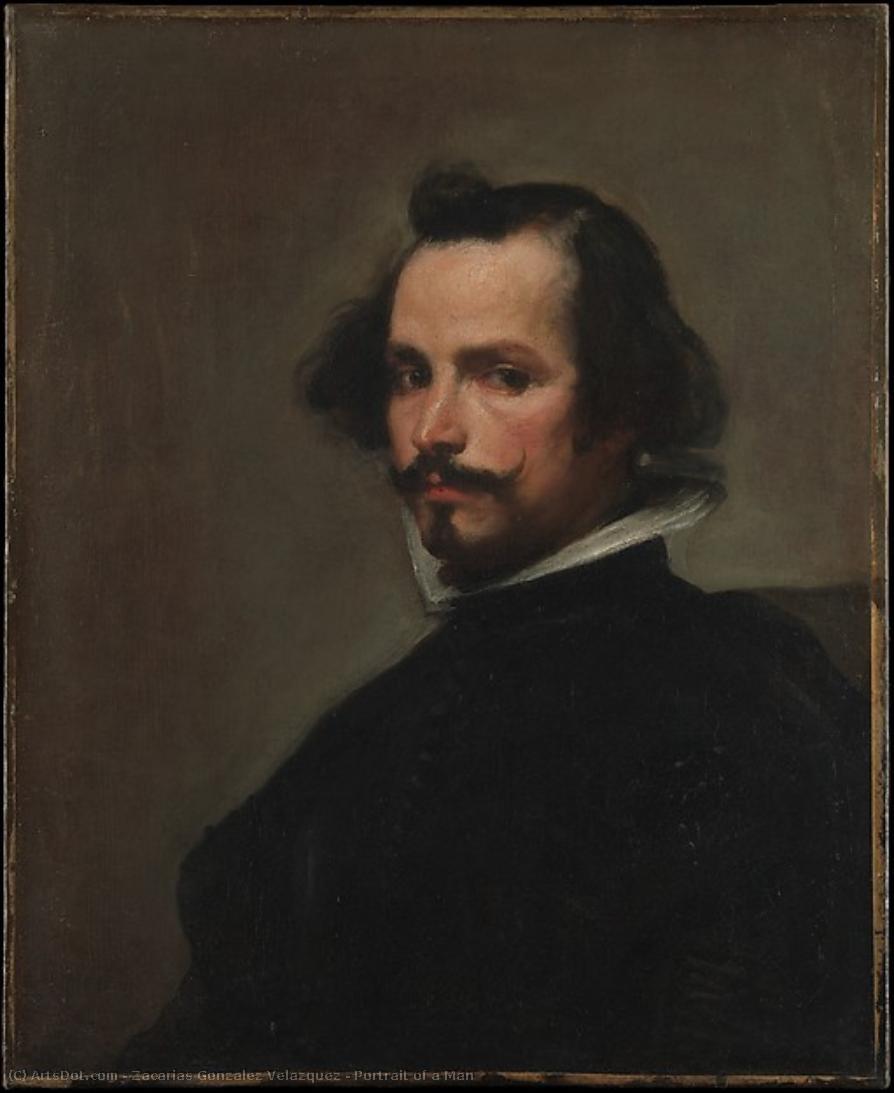
Portrait of a Man
 Acrylic On Canvas
- WallArt
- Baroque Painting
 1650
1650 69.0 x 57.0 cm
 Metropolitan Museum of Art
 Read More
Hand Made Oil Reproduction
Hand-painted oil on canvas in your size and frame, made to order by our artists. ( Buy Print Buy Image)




P118B $10

P118H $10

P118W $10

P438Z $10

P508JH $12

P508YH $12

P805H $10

P805Z $10

P919BZ $10

P919G $10

P919XJ $10

P959ZH $10

P968JZ $12

W106C $8

W218G $10

W218JH $8

W218Y $10

W307PJ $10

W316G $10

W316PJ $8

W316Y $10

W398PJ $8

W4111J $10

W500HY $15

W500JH $15

W692G $12

W849H $8

W940BG $15

W953PJ $8




Pick from our preset sizes that match the artwork's original proportions.

You may enter your own dimensions to fit a specific frame or space. If your selected size does not match the original image's proportions, we will either crop the artwork or extend the painting with additional hand-painted elements. A digital mockup will be sent for your approval before production begins.
Please note that the on-screen preview does not reflect the actual cropping or extension. Only the mockup will accurately show the final composition.
While custom sizes are available, we recommend selecting a dimension from the predefined list to preserve the original proportions.
After order, ArtsDot.com team will email client for instructions and provide a mockup preview
Worldwide Delivery () in 3/4 weeks instead of standard 5 weeks. (16 August). No compromise on quality.

Free Worldwide Express Shipping

High-Quality Linen Canvas

Full Shipping Insurance

Customs Tax Refund Guarantee

True Color Matching Guarantee

60-Day Return Policy (Defects Only)

100% Money-Back Guarantee

Bulk Discount Offer
 Glass option is only available in size under 110 CM

Portrait of a Man
Reproduction Medium
Reproduction Size
-


Total Price
$ 263
Artwork Description
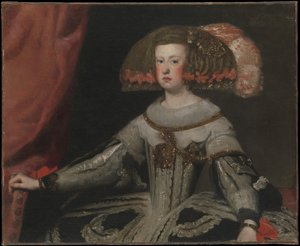
A Portrait Steeped in Mystery: Exploring Velázquez’s “Portrait of a Man”
The painting "Portrait of a Man," attributed to Diego Rodríguez de Silva y Velázquez, remains one of the most enigmatic canvases within The Metropolitan Museum of Art's collection. Its origins are shrouded in speculation, fueling ongoing debate amongst art historians and prompting meticulous scrutiny into its stylistic nuances and technical prowess. Dating back to approximately 1650, this portrait transcends mere representation; it embodies a profound exploration of identity and perception—a hallmark of Velázquez’s masterful approach to artistic expression.Style and Technique: Echoes of Baroque Grandeur
Velázquez's signature style is instantly recognizable – characterized by an unparalleled ability to capture the subtleties of human emotion and form with breathtaking realism. “Portrait of a Man” exemplifies this dedication to observation, employing a technique rooted in chiaroscuro—the dramatic interplay between light and shadow—to sculpt the figure’s contours and imbue it with palpable presence. The artist skillfully utilizes glazing techniques, layering translucent washes of pigment over underdrawings to achieve luminous skin tones and subtle gradations of color that convey an astonishing level of detail. Notably similar to Velázquez's “Portrait of Juan de Pareja,” which resides nearby, the canvas weave and ground preparation suggest a deliberate emulation of his favored methods—a testament to Velázquez’s influence on subsequent generations of painters.Historical Context: Navigating Artistic Patronage
The painting emerged during Spain’s Golden Age – a period marked by immense artistic flourishing fueled by royal patronage and a fervent belief in the power of art to glorify God and celebrate human achievement. Velázquez served as court painter to Philip IV, immersing himself in the opulent rituals and intellectual debates of Habsburg Spain. This environment fostered an aesthetic sensibility that prioritized psychological depth alongside formal elegance—a desire to portray not merely outward appearance but also inner character. The sitter’s gaze directs firmly toward the viewer, creating a compelling dialogue between subject and observer – a gesture that speaks volumes about Velázquez's understanding of human psychology.Symbolism and Emotional Resonance: Beyond Surface Appearance
While the identity of the man depicted remains elusive—a deliberate ambiguity reflecting the artistic conventions of the time—the portrait’s composition carries significant symbolic weight. The dark background serves to isolate the figure, emphasizing his individuality against a backdrop of obscurity – mirroring perhaps the complexities inherent in self-awareness and introspection. Furthermore, the meticulous rendering of facial features—particularly the beard and mustache—suggests an older gentleman, hinting at wisdom gained through experience and conveying a sense of dignified repose. The painting’s overall mood is contemplative, inviting viewers to contemplate themes of contemplation and inner reflection – qualities that resonate powerfully with the spirit of Baroque art.Conclusion: An Enduring Legacy
“Portrait of a Man” stands as an enduring testament to Velázquez's artistic genius—a masterpiece that continues to captivate audiences centuries after its creation. Its masterful technique, combined with its profound psychological insight and evocative symbolism, secures its place among the most celebrated portraits in Western art history. More than just a depiction of a man’s likeness, it is an exploration of human consciousness itself – a timeless reminder of Velázquez's unparalleled ability to transform pigment and canvas into instruments of artistic contemplation.Related Artworks
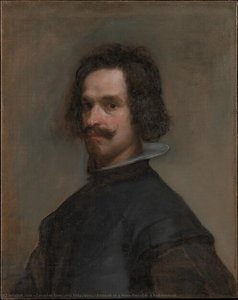
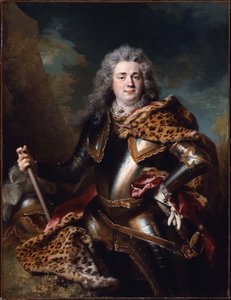
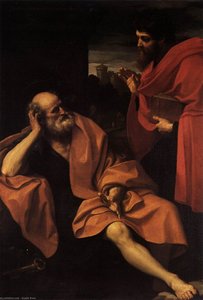
Artist Biography
Zacarías González Velázquez: A Maestro of Light and Emotion
Zacarías González Velázquez (1763 – 1834) stands as a pivotal figure in Spanish Baroque painting, embodying the culmination of artistic tradition while simultaneously embracing innovative techniques that foreshadowed Romanticism. Born into Madrid’s prominent González Velázquez family—a lineage steeped in artistic heritage—his upbringing instilled within him an unwavering dedication to mastering the craft of painting and profoundly shaped his artistic vision. His father, Antonio González Velázquez, was himself a celebrated painter, establishing Zacarías's early exposure to art and fostering a familial commitment to creative excellence. This influence extended beyond mere mentorship; it fostered a deep understanding of the historical context surrounding Baroque artistry—a period characterized by grandeur, religious fervor, and an obsession with capturing idealized beauty.- Early Training & Academic Foundations: Zacarías’s formal artistic education commenced at the Real Academia de Bellas Artes de San Fernando in 1782, where he honed his skills under Mariano Salvador Maella. This institution served as a crucible for shaping aspiring artists, emphasizing anatomical accuracy and mastering classical compositional principles—elements that would become hallmarks of Velázquez's oeuvre.
- Royal Commissions & Patronage: Immediately upon graduating, Zacarías secured prestigious commissions from the Spanish monarchy, notably decorating several opulent rooms within El Pardo Palace with mythological scenes. These projects demanded meticulous attention to detail and showcased his ability to convey complex narratives through visual imagery—skills that cemented his reputation as a court artist of distinction.
- Architectural Contributions: Beyond painting, Velázquez’s talents extended into architectural design, particularly evident in his involvement with the Toledo Cathedral and the Jerónimos Monastery. His designs incorporated classical elements while skillfully integrating them with regional traditions—demonstrating versatility and a profound appreciation for artistic synthesis.
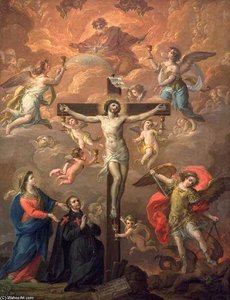
- Notable Paintings: Among his most celebrated works are “Columbus” (1803), depicting Christopher Columbus’s arrival in America—a monumental canvas imbued with symbolic grandeur and conveying the spirit of exploration. Similarly, “The Miracle of Saint Casimir,” portraying a miraculous healing event attributed to Saint Casimir—demonstrates Velázquez's ability to convey religious fervor through nuanced observation and expressive brushwork.
- Influence & Legacy: Zacarías González Velázquez’s artistic legacy continues to inspire artists today. His pioneering use of chiaroscuro, coupled with his unwavering commitment to realism, established him as a cornerstone of Spanish Baroque art—a tradition that profoundly impacted subsequent generations of painters and solidified his place among the greatest masters of his era.
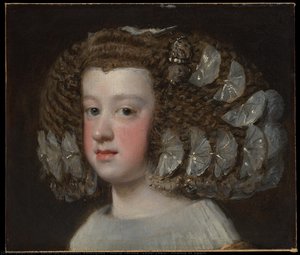
zacarías gonzález velázquez
1763 - 1834
Quick Facts
- Artistic Movement Or Style: Baroque
- Artists Or Movements Influenced By This Artist: ['Neoclassicism']
- Artists Who Influenced This Artist: ['Antonio González Velázquez']
- Date Of Birth: 1763
- Date Of Death: 1834
- Full Name: Zacarías González Velázquez
- Nationality: Spanish
- Notable Artworks:
- Columbus
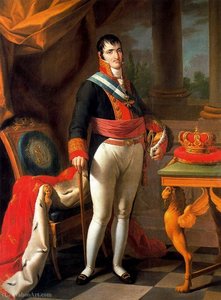
- Portrait of Ferdinand VII
- Portrait of Maria Luisa of Parma
- The Miracle of Saint Casimir
- Young Girl
- Place Of Birth: Madrid, Spain