

 Preview
 Send
Send Share
Share
 Details

 Download
 Similars
 X-Ray
X-Ray Diaporama
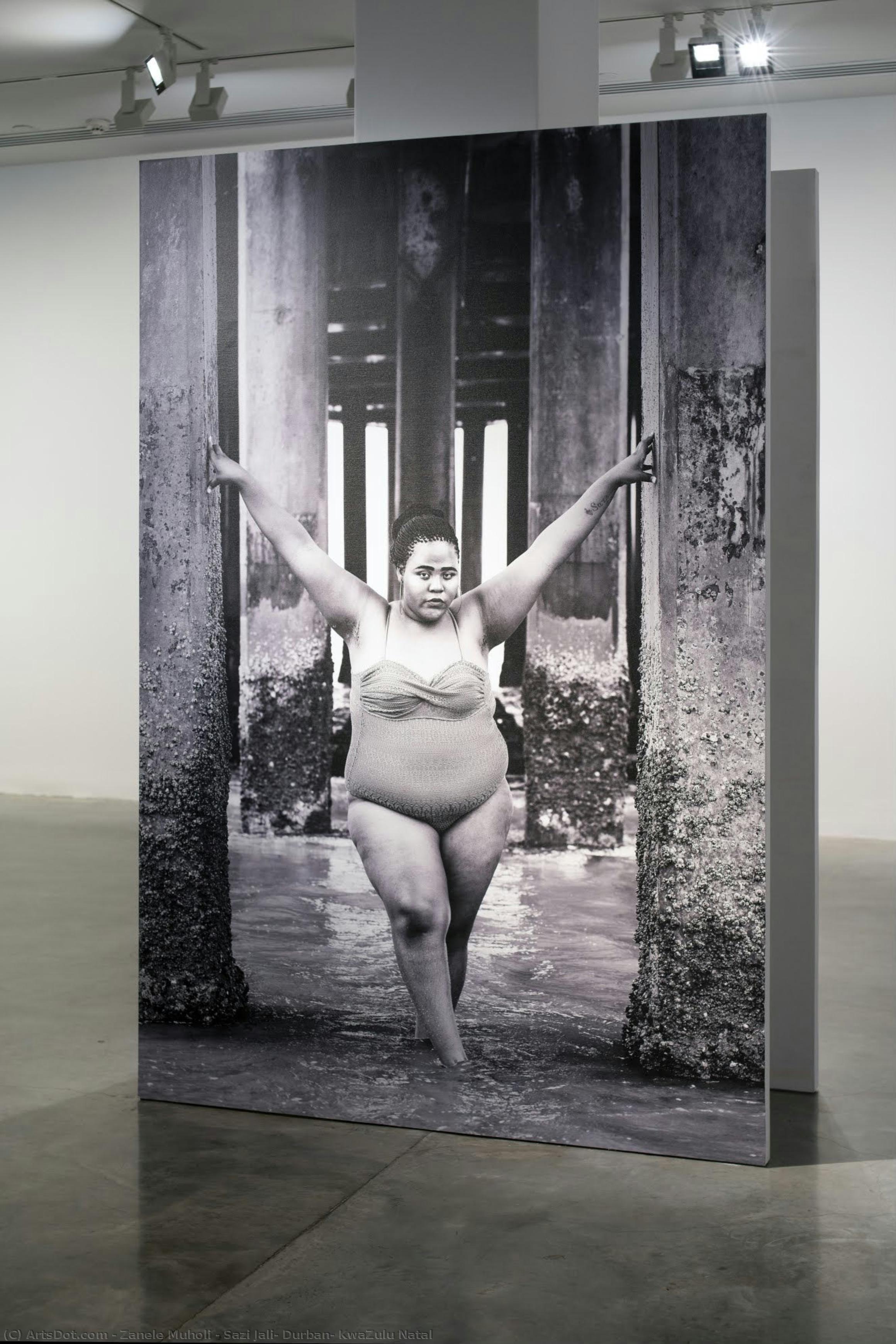
Sazi Jali, Durban, KwaZulu Natal
 Oil On Canvas
- WallArt
- Contemporary Realism
 2020
2020 200.0 x 132.0 cm
 Biennale of Sydney
 Read More
Purchase a high-resolution, enhanced digital image, far superior to the online preview.
Each file is meticulously prepared by our in-house specialists using advanced tools and expert manual retouching. We ensure every image has exceptional clarity, precise color accuracy, and fine detail.
The final file is delivered via email within 72 hours, optimized for immediate use in professional, editorial, and print environments. This is the same quality trusted by top-tier design studios, publishers, and galleries.
Digital Image
Download a high-resolution file for personal display, printing, and creative projects. ( Buy Print Buy Hand Made Painting)
Included in Every Digital Image Order
Expert Digital Delivery, Guaranteed
When you choose ArtsDot.com, you're not just getting an image - you're receiving a professionally enhanced digital artwork, crafted with precision and backed by a satisfaction guarantee. Here's everything that comes with your order, automatically:

Fast Email Delivery
Your high-resolution digital image file will be emailed to you within 72 hours of ordering - ready for immediate use.

AI-Enhanced Digital File
Your artwork is professionally optimized using advanced AI tools and manual editing, ensuring maximum detail, clarity, and color accuracy.

Free Lifetime Re-Delivery
Accidentally deleted or lost your file? No worries - we'll resend it to you anytime, free of charge.

No Import Fees - Ever
Enjoy your artwork instantly with zero customs, duties, or delivery fees - digital downloads are always tax-free.

Color Accuracy Guarantee
We ensure your digital image reflects the original colors as closely as possible using professional tools and color management.

60-Day Satisfaction Guarantee
If you're not satisfied with your digital image, we'll revise it or refund 100% within 60 days - no questions asked.

100% Money-Back Guarantee
Not satisfied? Get a full refund within 60 days of receiving your digital file - no questions asked.

Bulk Order Discounts
Buy 3 images, save 10% - Buy 5, save 15% - Buy 10+, save 20%. Great for creative projects, galleries, and agencies.
Sazi Jali, Durban – A Window into Black Resilience
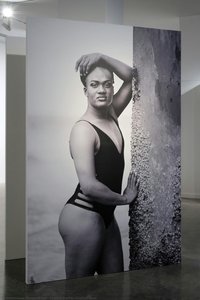
Zanele Muholi’s “Sazi Jali,” a captivating black and white photograph depicting a woman in a bathing suit standing on a Durban beach, is more than just a portrait; it's a powerful statement of identity, resilience, and the enduring spirit of the Black LGBTQIA+ community in South Africa. Captured in 2020, this image emerges from Muholi’s ongoing project, “Brave Beauties,” a series dedicated to celebrating and documenting the lives of trans women and gender non-conforming individuals within the country – figures often rendered invisible by societal prejudice and historical marginalization. The photograph isn't merely a depiction of a beach scene; it’s an act of reclamation, a deliberate assertion of presence in a landscape frequently dominated by narratives of exclusion.
Muholi’s artistic approach is deeply rooted in visual activism. They employ photography not as a passive recording of reality, but as a tool for social change – a means to challenge stereotypes, confront injustice, and amplify the voices of those historically silenced. The choice of black and white is particularly significant; it strips away superficial distractions, forcing the viewer to engage with the raw emotion and inherent dignity of the subject. The stark contrast emphasizes textures—the smooth curve of skin, the rough concrete of the supporting pilings, the subtle ripples of the ocean – drawing attention to the physicality and vulnerability of the woman’s stance.
Composition and Photographic Technique
The composition is strikingly centered, immediately establishing the subject as the focal point. The vertical lines created by the pilings in the background provide a structural counterpoint to the fluid curves of the woman's body, suggesting both stability and movement. This deliberate arrangement creates a sense of intimacy, inviting the viewer into a private moment while simultaneously acknowledging the broader context of her existence within South African society. Muholi’s technique is characterized by a directness and immediacy – a commitment to capturing authentic moments without manipulation or embellishment. The photograph appears to be taken with a large-format camera, lending it a substantial presence and emphasizing the scale of the subject's form.
The lighting is natural and diffused, casting soft shadows that subtly define the contours of her body and highlighting the texture of her skin. This gentle illumination contributes to the photograph’s overall mood – one of quiet strength and understated beauty. The use of a matte paper for printing further enhances the image's tonal range, minimizing glare and allowing the subtle nuances of light and shadow to fully emerge.
Symbolism and Emotional Resonance
The outstretched arms of the woman in “Sazi Jali” are particularly evocative. They can be interpreted as a gesture of openness, an invitation to connection, or even a defiant assertion of self-acceptance in the face of societal judgment. Considering the historical context of apartheid South Africa – a system built on racial segregation and enforced conformity – this posture carries profound significance. It represents a refusal to shrink from visibility, a bold declaration of presence within a space where Black LGBTQIA+ individuals have historically been denied recognition and respect.
The photograph’s emotional impact is deeply resonant. It speaks to themes of body positivity, self-love, and the importance of representation – particularly for marginalized communities. Muholi's work challenges conventional beauty standards and celebrates diversity in all its forms. “Sazi Jali” isn’t simply a portrait; it’s a testament to the enduring power of the human spirit and a poignant reminder of the ongoing struggle for equality and justice.
Historical Context & Further Exploration
To fully appreciate "Sazi Jali," it's crucial to understand Zanele Muholi’s broader body of work. Their project “Brave Beauties” emerged in response to the pervasive violence and discrimination faced by Black trans women in South Africa, a reality exacerbated by the legacy of apartheid and ongoing socio-economic inequalities. Muholi’s photographs serve as both documentation and advocacy, raising awareness of these issues while simultaneously celebrating the resilience and beauty of those who navigate these challenging circumstances.
Further research into Zanele Muholi's work can be found through links such as: Google Arts & Culture and ArtsDot. Exploring these resources provides a deeper understanding of Muholi’s artistic vision and the powerful social commentary embedded within her work.
Related Artworks





Artist Biography
A Life Illuminated: The Visual Activism of Zanele Muholi
Zanele Muholi, born in Umlazi, South Africa, in 1972, is more than an artist; they are a vital chronicler and courageous advocate for the Black LGBTQI+ community. Their work transcends traditional artistic boundaries, functioning as a powerful form of visual activism that challenges societal norms and demands recognition for lives historically marginalized and rendered invisible. Muholi identifies as nonbinary, embracing they/them pronouns, and this fundamental aspect of their identity deeply informs their practice—a practice rooted in self-discovery and an unwavering commitment to representing the fullness of human experience. Growing up during the waning years of apartheid and its lingering aftermath, Muholi witnessed firsthand the pervasive discrimination and violence faced by Black South Africans, particularly those who dared to live outside prescribed societal expectations. This early exposure ignited a fire within them, propelling them toward art as a means of resistance, healing, and ultimately, liberation. Initially self-taught, Muholi’s journey began with documenting everyday life within their community, quickly realizing the transformative potential of photography to reshape narratives and reclaim agency.Documenting Existence: Themes and Artistic Development
Muholi's artistic practice is remarkably diverse, encompassing photography, video, and installation art, yet a consistent thread unites these varied mediums: an intimate and direct engagement with their subjects. Their portraits are not merely representations; they are collaborations—a shared act of defiance against erasure. Central to Muholi’s work are explorations of identity, race, gender, sexuality, social justice, and the enduring power of memory. The early focus on documenting Black lesbians in South Africa – a community disproportionately affected by violence and hate crimes – evolved into broader investigations of gender nonconformity and sexual diversity. This evolution wasn't simply an expansion of scope but a deepening of their commitment to portraying the complexities of lived experience, refusing simplistic categorization or easy answers. Faces and Phases, perhaps Muholi’s most renowned long-term project, stands as a testament to this dedication—a growing archive of portraits that celebrate the lives, loves, and losses of Black LGBTI individuals in South Africa. This series isn't just about visibility; it's about creating a counter-narrative to the dominant, often hostile, representations prevalent in mainstream media. The work is imbued with a sense of dignity and resilience, challenging viewers to confront their own biases and preconceptions.Somnyama Ngonyama & Beyond: Style and Influences
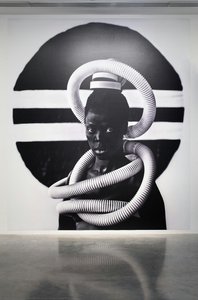
Muholi’s artistic style is characterized by its unflinching gaze and deliberate use of visual language. The Somnyama Ngonyama (“Hail the Dark Lioness”) series marks a pivotal moment in their artistic development, shifting the focus inward with a powerful suite of self-portraits. In these striking images, Muholi utilizes dramatic lighting, found objects—everything from plastic combs to oven scrubbers—and symbolic gestures to explore themes of beauty, race, and representation. Somnyama Ngonyama is not merely a series of self-portraits; it’s a deconstruction of colonial aesthetics and a reclamation of Blackness on Muholi's own terms. The images are often confrontational, challenging conventional notions of beauty and forcing viewers to grapple with the historical weight of representation. While largely self-taught, Muholi draws inspiration from documentary photography traditions, activist art movements, and, most importantly, the lived experiences of the communities they represent. They acknowledge a debt to artists who have used their work as a tool for social change, but their voice is distinctly their own—a powerful blend of personal experience, political conviction, and artistic innovation. The influence of W.E.B. Du Bois’ photographic studies of African Americans can also be seen in Muholi's commitment to creating an archive that counters dominant narratives and asserts the dignity of Black lives.Recognition and Enduring Legacy
Zanele Muholi’s groundbreaking work has garnered widespread recognition, including The Infinity Award from the International Center of Photography (2016), Chevalier de l'Ordre des Arts et des Lettres (France, 2016), and an Honorary Fellowship of the Royal Photographic Society (2018). Recent exhibitions, such as the retrospective at the Maison Européenne de la Photographie in Paris (2023) and showings at mudec-museo delle culture in Milan that same year, demonstrate the growing international acclaim for their work. However, accolades are not Muholi’s primary motivation. Their true reward lies in the impact their art has on individuals and communities—in fostering dialogue, challenging prejudice, and creating a more just and equitable world. Muholi's historical significance is undeniable. They have created a vital archive of lives that were previously marginalized or ignored, offering a powerful counter-narrative to dominant histories. Their work serves as a testament to the resilience, beauty, and dignity of the Black LGBTQI+ community, leaving an enduring legacy for future generations—a legacy built on courage, compassion, and an unwavering commitment to social justice.Continuing the Conversation
- Faces and Phases: A long-term photographic project documenting the lives of Black LGBTI individuals in South Africa.
- Somnyama Ngonyama (“Hail the Dark Lioness”): A series of self-portraits exploring themes of beauty, race, and representation.
- Brave Beauties: Celebrates the resilience and strength of Black women in South Africa.
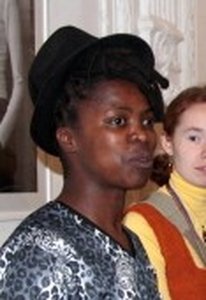
Zanele Muholi
1972 - , South Africa
Quick Facts
- Artistic Movement Or Style: Visual Activism, Photography
- Artists Who Influenced This Artist:
- Documentary photography
- Activist art movements
- Date Of Birth: July 19, 1972
- Full Name: Zanele Muholi
- Nationality: South African
- Notable Artworks:
- Faces and Phases
- Somnyama Ngonyama
- Brave Beauties
- Place Of Birth: Umlazi, South Africa

