 Preview
 Send
Send Share
Share
 Details

 Download
 Similars
 X-Ray
X-Ray Diaporama
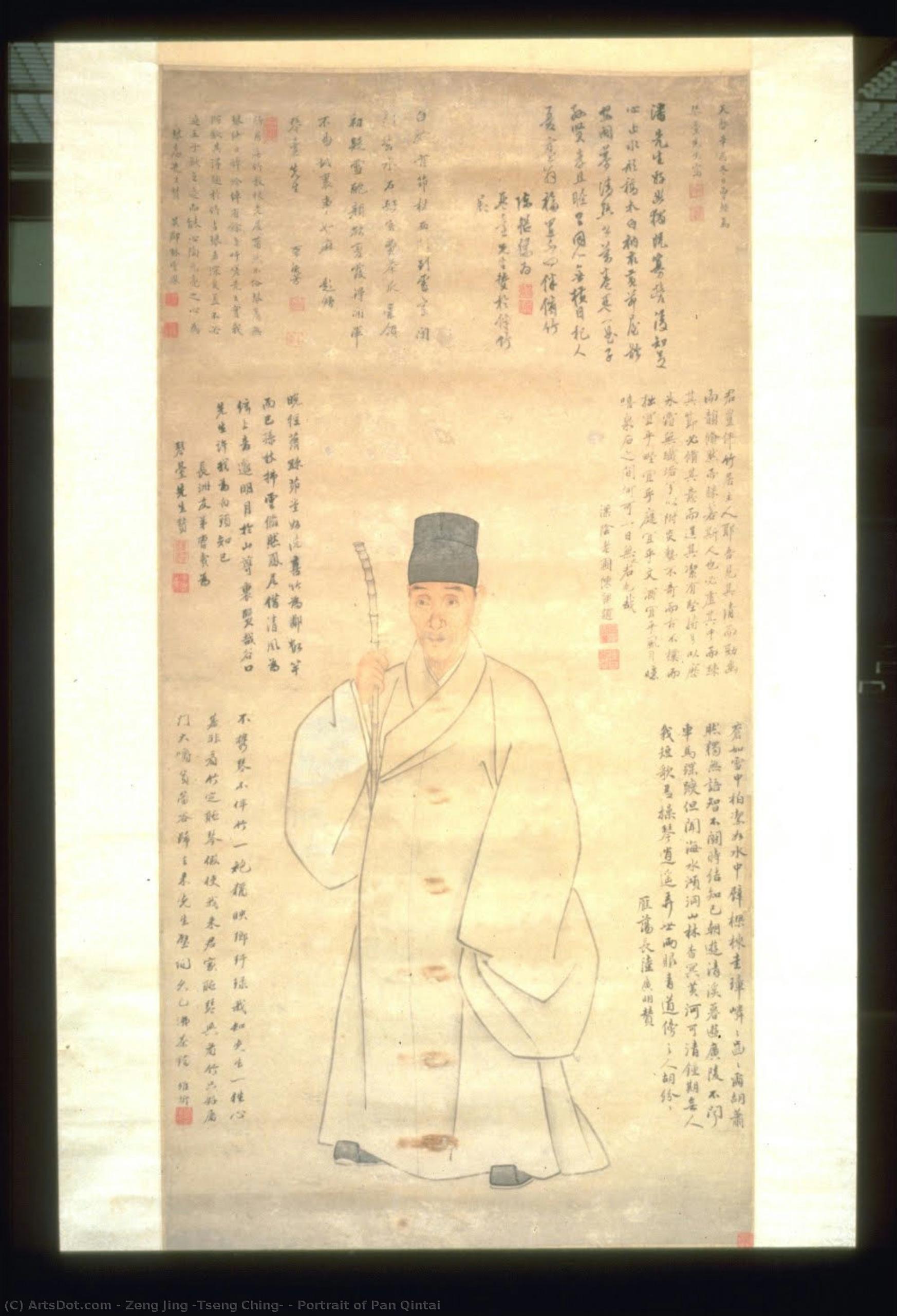
Portrait of Pan Qintai


 Read More
Hand Made Oil Reproduction
Hand-painted oil on canvas in your size and frame, made to order by our artists. ( Buy Print Buy Image)




































Pick from our preset sizes that match the artwork's original proportions.

You may enter your own dimensions to fit a specific frame or space. If your selected size does not match the original image's proportions, we will either crop the artwork or extend the painting with additional hand-painted elements. A digital mockup will be sent for your approval before production begins.
Please note that the on-screen preview does not reflect the actual cropping or extension. Only the mockup will accurately show the final composition.
While custom sizes are available, we recommend selecting a dimension from the predefined list to preserve the original proportions.
After order, ArtsDot.com team will email client for instructions and provide a mockup preview
Worldwide Delivery () in 3/4 weeks instead of standard 5 weeks. (24 August). No compromise on quality.

Free Worldwide Express Shipping

High-Quality Linen Canvas

Full Shipping Insurance

Customs Tax Refund Guarantee

True Color Matching Guarantee

60-Day Return Policy (Defects Only)

100% Money-Back Guarantee

Bulk Discount Offer
 Glass option is only available in size under 110 CM

Portrait of Pan Qintai
Reproduction Medium
Reproduction Size
-


Total Price
$ 263
Related Artworks


Artist Biography
Zeng Jing: The Silent Master of Reflection
Zeng Jing (1564 – 1647), a name perhaps less familiar than some of his contemporaries, stands as a pivotal figure in the late Ming Dynasty’s artistic landscape. Born in Putian, Fujian province, he wasn't merely a painter; he was a revolutionary in his approach to portraiture, forging a distinctive style known as the “Bochen School” – a legacy deeply rooted in subtlety, illusionism, and an almost unsettling realism. His work transcends simple likenesses, offering instead profound meditations on presence, space, and the very nature of perception. Zeng’s journey took him across China—from the bustling metropolis of Nanjing to the serene landscapes of Hangzhou and Wuzhen – each location contributing to his evolving artistic vision.The Seeds of Innovation: Technique and Influences
Zeng Jing's genius lay not in flamboyant displays of virtuosity, but in a remarkably restrained yet profoundly effective technique. He absorbed and skillfully integrated Western influences, particularly the burgeoning practice of oil painting, while firmly grounding them within the established traditions of Chinese art. Unlike many of his peers who embraced bold color and dramatic brushwork, Zeng favored a delicate palette and subtle gradations of light and shade – a method he meticulously honed to create an illusion of depth and volume. This approach, often described as “concave and convex,” mimicked the way light interacts with surfaces, producing remarkably lifelike renderings. Crucially, Zeng’s portraits are characterized by generous areas of negative space—vast expanses of background that don't compete with the figure but instead serve to isolate it, emphasizing its presence and drawing the viewer into a contemplative relationship. This deliberate use of emptiness wasn’t simply an aesthetic choice; it reflected a philosophical stance, suggesting a quiet dignity and inherent value within the subject. The influence of Western perspective is evident, yet Zeng never sacrificed the essential qualities of Chinese painting—the emphasis on atmosphere, suggestion, and the artist's personal interpretation.A Portraiture Revolution: The Bochen Style
Zeng Jing’s distinctive style quickly gained recognition, establishing what became known as the “Bochen School.” This wasn’t a formal academy but rather a lineage of artists who followed in his footsteps, inheriting his techniques and aesthetic sensibilities. Xie Bin (1601-1681), arguably Zeng's most accomplished disciple, further developed and disseminated the Bochen style, solidifying its place within Ming Dynasty art history. What truly set Zeng apart was his ability to capture not just a physical likeness but also an essence—a sense of character, mood, and inner life. His portraits are often described as “breathtaking real,” possessing a remarkable immediacy that seems to peer directly into the soul of the sitter. The most striking feature is frequently the presence of expansive, almost meditative spaces surrounding the figure, creating a visual dialogue between subject and viewer. This technique wasn’t merely decorative; it served to elevate the portrait beyond a simple representation, transforming it into a profound meditation on human existence.Notable Works and Legacy
Zeng Jing's oeuvre is relatively small but profoundly significant. The University of Michigan Museum of Art houses a stunning example of his work: “Portrait of Pan Qintai,” a masterpiece that exemplifies his signature style—a masterful blend of realism, illusionism, and the strategic use of negative space. Similarly, the Art Institute of Chicago holds a portrait of Wang Shimin, showcasing Zeng’s ability to convey both dignity and vulnerability. These works, along with others in private collections, offer invaluable insights into the artist's creative process and artistic vision. Beyond his individual achievements, Zeng Jing left an enduring legacy through the Bochen School, shaping the course of Chinese portraiture for generations to come. His influence can be seen in the work of subsequent artists who continued to explore the possibilities of illusionistic painting and the power of negative space.A Lasting Impression: Historical Significance
Zeng Jing’s life coincided with a period of immense political upheaval during the late Ming Dynasty, marked by factionalism, rebellion, and ultimately, the collapse of the dynasty. His artistic output reflects this turbulent era—a quiet dignity amidst chaos. While his portraits are often characterized by an almost serene detachment, they also possess a subtle undercurrent of melancholy, perhaps reflecting the anxieties and uncertainties of his time. Zeng Jing’s work stands as a testament to the enduring power of art to transcend political turmoil and offer a glimpse into the human condition. His innovative techniques and distinctive style continue to fascinate scholars and collectors alike, ensuring that this “silent master of reflection” will remain a vital figure in the history of Chinese painting.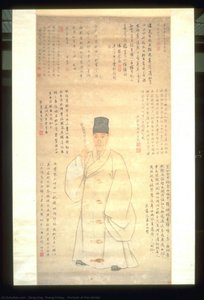
zeng jing (tseng ching)
1647 , China
Quick Facts
- Artistic Movement Or Style: Bochen Style (Ming Dynasty)
- Artists Who Influenced This Artist: ['Western oil painting techniques],\n "Artists or movements influenced by this artist": ["Bochen school"]\n}']
- Date Of Birth: ca. 1564
- Date Of Death: 1647
- Full Name: Zeng Jing (Tseng Ching)
- Nationality: Chinese
- Notable Artworks:
- Portrait of Pan Qintai
- Portrait of Wang Shimin
- Place Of Birth: Putian, China