

 Preview
 Send
Send Share
Share
 Details

 Download
 Similars
 X-Ray
X-Ray Diaporama
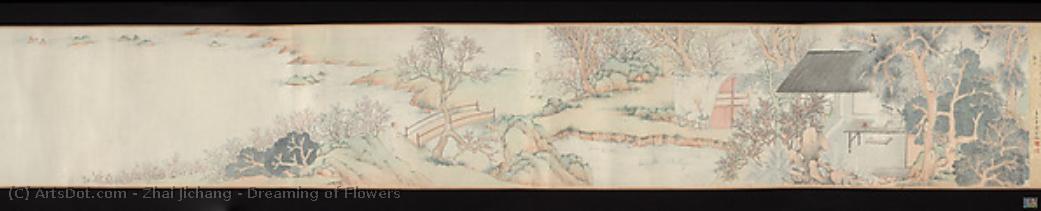
Dreaming of Flowers
 1807
1807 30.0 x 763.0 cm
 Read More
Purchase a high-resolution, enhanced digital image, far superior to the online preview.
Each file is meticulously prepared by our in-house specialists using advanced tools and expert manual retouching. We ensure every image has exceptional clarity, precise color accuracy, and fine detail.
The final file is delivered via email within 72 hours, optimized for immediate use in professional, editorial, and print environments. This is the same quality trusted by top-tier design studios, publishers, and galleries.
Digital Image
Download a high-resolution file for personal display, printing, and creative projects. ( Buy Print Buy Hand Made Painting)
Included in Every Digital Image Order
Expert Digital Delivery, Guaranteed
When you choose ArtsDot.com, you're not just getting an image - you're receiving a professionally enhanced digital artwork, crafted with precision and backed by a satisfaction guarantee. Here's everything that comes with your order, automatically:

Fast Email Delivery
Your high-resolution digital image file will be emailed to you within 72 hours of ordering - ready for immediate use.

AI-Enhanced Digital File
Your artwork is professionally optimized using advanced AI tools and manual editing, ensuring maximum detail, clarity, and color accuracy.

Free Lifetime Re-Delivery
Accidentally deleted or lost your file? No worries - we'll resend it to you anytime, free of charge.

No Import Fees - Ever
Enjoy your artwork instantly with zero customs, duties, or delivery fees - digital downloads are always tax-free.

Color Accuracy Guarantee
We ensure your digital image reflects the original colors as closely as possible using professional tools and color management.

60-Day Satisfaction Guarantee
If you're not satisfied with your digital image, we'll revise it or refund 100% within 60 days - no questions asked.

100% Money-Back Guarantee
Not satisfied? Get a full refund within 60 days of receiving your digital file - no questions asked.

Bulk Order Discounts
Buy 3 images, save 10% - Buy 5, save 15% - Buy 10+, save 20%. Great for creative projects, galleries, and agencies.
Collectible Description
Related Artworks










Artist Biography
A Delicate Brush: The Life and Art of Zhai Jichang
Zhai Jichang, a name perhaps unfamiliar to many outside the circles of dedicated Chinese art connoisseurs, represents a pinnacle of refined artistry within the Qing Dynasty. Born in Beijing in 1756, during the reign of the Qianlong Emperor, he flourished as a painter specializing in flower and bird subjects – a genre deeply embedded in Chinese artistic tradition yet brought to new heights through his meticulous skill and sensitive observation. While biographical details remain somewhat sparse, piecing together fragments from collector’s seals, inscriptions on paintings, and historical records allows us to glimpse the life of an artist devoted to capturing the ephemeral beauty of the natural world. He lived during a period of relative peace and prosperity in China, which fostered a vibrant artistic climate at court and among scholar-officials—a milieu that undoubtedly shaped his aesthetic sensibilities. His death in 1818 marked the end of a career dedicated to perfecting the *gongbi* technique, leaving behind a legacy of works celebrated for their exquisite detail and understated elegance.The Gongbi Master: Technique and Style
Zhai Jichang’s artistic reputation rests firmly on his mastery of *gongbi*, literally meaning “meticulous brushwork.” This technique, contrasting with the looser, more expressive style of *xieyi* (“freehand”), demands an extraordinary level of precision and control. Each stroke is carefully considered, lines are defined, and colors are layered to create a sense of depth and realism. However, Zhai Jichang’s *gongbi* was not merely about technical virtuosity; it was infused with a poetic sensibility that elevated his paintings beyond simple representation. He possessed an uncanny ability to capture the delicate textures of petals, the sheen of leaves, and the subtle nuances of bird plumage. His compositions are often characterized by a restrained elegance, eschewing dramatic flourishes in favor of harmonious balance and quiet contemplation. The artist’s palette typically favored soft, muted tones—pale blues, gentle greens, and warm ochres—further enhancing the sense of refinement and tranquility that permeates his work. He didn't simply paint flowers; he distilled their essence, conveying a feeling of fleeting beauty and inherent vitality.Influences and Artistic Lineage
Tracing Zhai Jichang’s artistic influences reveals a deep engagement with the traditions of Chinese painting. He drew inspiration from earlier masters of flower painting, particularly those associated with the Song Dynasty (960-1279), renowned for its naturalistic depictions of flora and fauna. Artists like Zhao Jiunian and Ma Lin, known for their refined brushwork and attention to detail, likely served as early models. However, Zhai Jichang was not simply a copyist; he synthesized these historical precedents with his own unique sensibility, developing a style that was both deeply rooted in tradition and distinctly personal. The influence of the court painting academy is also evident in his work—the emphasis on technical precision and refined aesthetics aligns with the standards promoted by imperial patronage. It’s believed he may have received formal training within this system, though concrete evidence remains elusive. His paintings often reflect a scholar's appreciation for poetry and calligraphy, seamlessly integrating these art forms into his floral compositions.Themes and Symbolism in Zhai Jichang’s Art
Beyond their aesthetic appeal, Zhai Jichang’s flower paintings are imbued with layers of symbolism deeply rooted in Chinese culture. Flowers were not merely decorative motifs; they carried specific meanings associated with virtue, longevity, and social status. For example, the plum blossom, often depicted in his works, symbolized resilience and perseverance due to its ability to bloom even in the harshness of winter. The peony represented wealth and honor, while orchids embodied refinement and integrity. Birds, too, held symbolic significance—the magpie was associated with good fortune, while doves signified peace and harmony. Zhai Jichang’s skillful use of these symbols allowed him to convey subtle messages and evoke a range of emotions in his paintings. His art wasn't just about depicting nature; it was about expressing philosophical ideas and celebrating the beauty of the natural world as a reflection of moral principles. The careful arrangement of flowers and birds within his compositions often alluded to classical poetry, further enriching the narrative depth of his work.Legacy and Historical Significance
Although Zhai Jichang did not achieve the widespread fame of some of his contemporaries, his paintings are highly prized by collectors today. His works represent a high point in Qing Dynasty flower painting, embodying the refined aesthetics and technical mastery that characterized this period.- His meticulous brushwork and sensitive observation continue to inspire artists.
- He is considered a key figure in preserving and developing the *gongbi* technique.
- Zhai Jichang’s paintings offer valuable insights into the cultural values and artistic sensibilities of 18th-century China.
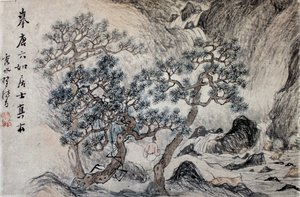
zhai jichang
1756 - 1818 , China
Quick Facts
- Artistic Movement Or Style: Gongbi flower painting
- Date Of Birth: 1756
- Date Of Death: 1818
- Full Name: Zhai Jichang
- Nationality: Chinese
- Place Of Birth: Beijing, China

