 Preview
 Send
Send Share
Share
 Details

 Download
 Similars
 X-Ray
X-Ray Diaporama
 Stats
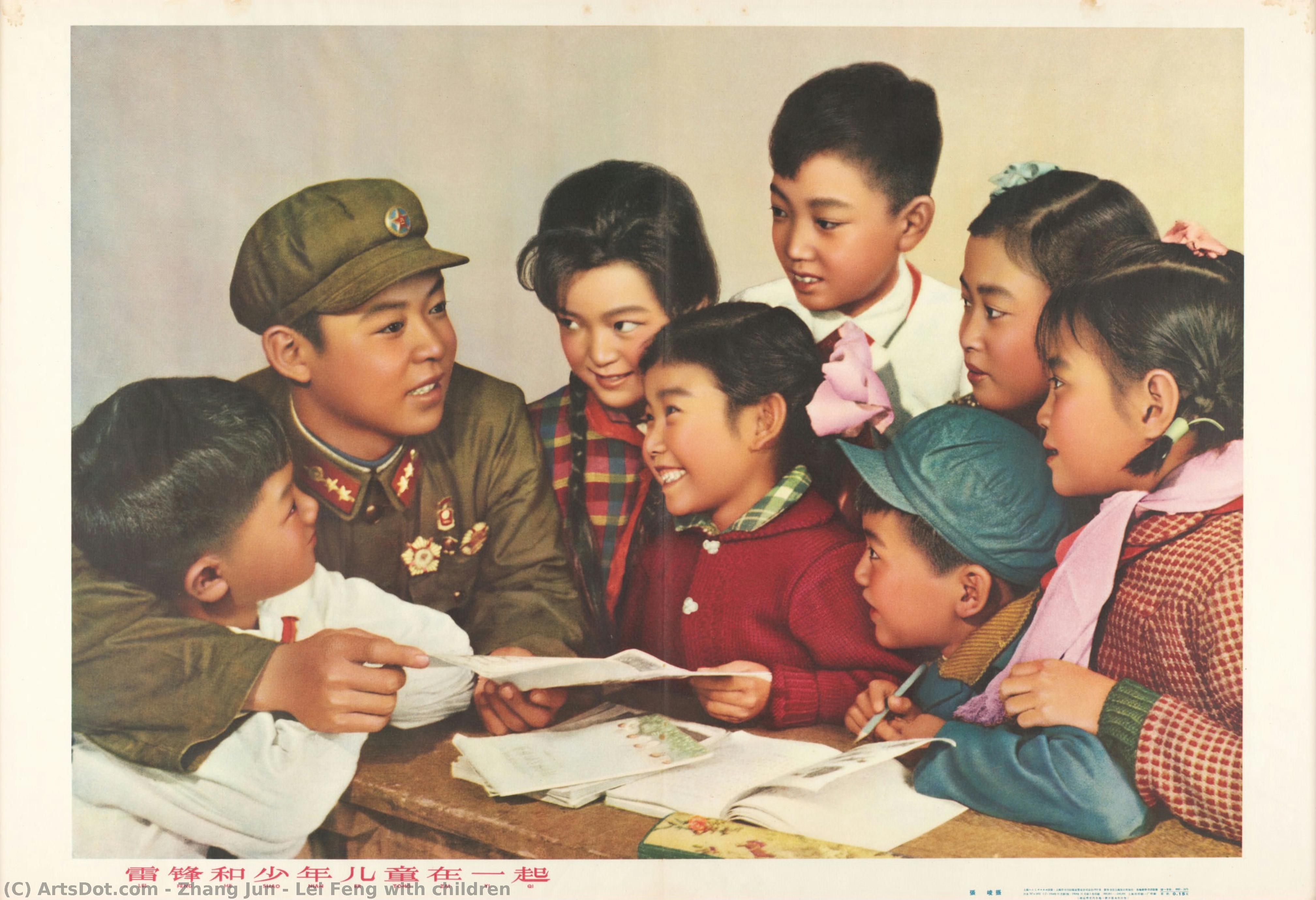
StatsLei Feng with children
 53.0 x 77.0 cm
 Museu do Oriente
 Read More
Hand Made Oil Reproduction
Hand-painted oil on canvas in your size and frame, made to order by our artists. ( Switch to Print Switch to Digital Image)




































Pick from our preset sizes that match the artwork's original proportions.

You may enter your own dimensions to fit a specific frame or space. If your selected size does not match the original image's proportions, we will either crop the artwork or extend the painting with additional hand-painted elements. A digital mockup will be sent for your approval before production begins.
Please note that the on-screen preview does not reflect the actual cropping or extension. Only the mockup will accurately show the final composition.
While custom sizes are available, we recommend selecting a dimension from the predefined list to preserve the original proportions.
After order, ArtsDot.com team will email client for instructions and provide a mockup preview
Worldwide Delivery () in 3/4 weeks instead of standard 5 weeks. (7 September). No compromise on quality.

Free Worldwide Express Shipping

High-Quality Linen Canvas

Full Shipping Insurance

Customs Tax Refund Guarantee

True Color Matching Guarantee

100-Day Return Policy (Defects Only)

100% Money-Back Guarantee

Bulk Discount Offer
 Glass option is only available in size under 110 CM

Lei Feng with children
Reproduction Medium
Reproduction Size
-


Total Price
$ 263
Related Artworks









Artist Biography
The Architect of Oriental Dance: The Artistic Journey of Zhang Jun
In the vibrant, transformative landscape of late 1980s Shanghai, a new visual language began to emerge, one that sought to bridge the profound depths of Eastern philosophy with the experimental vigor of Western modernism. At the heart of this movement stood Zhang Jun (born 1955), an artist whose name has become synonymous with the pioneering genre known as Oriental Dance. His journey into the soul of contemporary Chinese art began with rigorous formal training at the Shanghai Theatre Academy’s Department of Fine Arts. It was here, amidst the disciplined study of oil painting, that Zhang first began to cultivate the technical mastery that would later serve as the foundation for his radical departures from tradition. As a foundational voice within China's avant-garde movement, his early work reflected a deep immersion in the burgeoning artistic scene of Shanghai, a period marked by an intense intellectual curiosity and a desire to redefine the boundaries of visual expression.
The evolution of Zhang Jun’s practice is inextricably linked to his pursuit of a cross-cultural dialogue. His exposure to international art discourse was significantly enriched through his participation in the prestigious Asian Cultural Council fellowship program at the Rockefeller Foundation in New York. This period of international residency allowed him to absorb the complexities of global modernism, which he would later synthesize with his native cultural heritage. This synthesis found its most profound expression through his leadership roles, particularly his involvement with the Shanghai Experimental Opera Theater and his tenure as Director of the Curative Research Department. In these capacities, Zhang did not merely paint; he spearheaded a concerted effort to cultivate Oriental Dance, a genre designed to explore the rhythmic, fluid, and spiritual intersections between East and West.
Materiality and the Essence of Rationalistic Painting
What truly distinguishes Zhang Jun from his contemporaries is his fearless experimentation with the very substance of the canvas. Moving beyond the traditional limits of pigment and oil, he began to incorporate unconventional, tactile materials—sand, rock, and pottery—directly into his compositions. This bold, sculptural approach to painting transforms the surface into a topographical map of texture and memory, challenging the viewer to contemplate the ontological status of the artwork itself. By integrating these earthy elements, Zhang creates a sensory experience that transcends mere representation, grounding his abstract explorations in the physical reality of the natural world.
His mature style is often described as rationalistic painting, a term that captures the delicate balance between conceptual rigor and contemplative depth. While his works may appear abstract, they are driven by a profound intellectual inquiry into form, space, and existence. The movement within his pieces—the "dance" referenced in his signature genre—is not merely visual but structural, reflecting a rhythmic logic that mirrors both the organic patterns of nature and the structured complexities of human thought. This commitment to challenging established conventions has earned him significant international recognition, including prestigious accolades from The Pollock-Krasner Foundation.
Through his lifelong dedication to innovation, Zhang Jun has secured his place in history as a transformative figure. His legacy is defined by:
- The Creation of Oriental Dance: Establishing a unique genre that harmonizes Eastern spiritualism with Western abstract expressionism.
- Material Innovation: Revolutionizing the medium of oil painting through the integration of organic, tactile elements like sand and stone.
- Cultural Synthesis: Acting as a vital bridge between the local Shanghai avant-garde and the global contemporary art community.
- Conceptual Depth: Advancing the discourse of rationalistic painting through works that demand both intellectual analysis and emotional resonance.
zhang jun
1956 - , China
Quick Facts
- Artistic Movement Or Style: Abstract Painting
- Artists Or Movements Influenced By This Artist: ['Oriental Dance']
- Artists Who Influenced This Artist: ['Dai Ailian']
- Date Of Birth: 1955
- Full Name: Zhang Jianjun
- Nationality: Chinese
- Notable Artworks:
- Human Beings with Their Clock
- Existence
- Place Of Birth: Shanghai, China