 Preview
 Send
Send Share
Share
 Details

 Download
 Similars
 X-Ray
X-Ray Diaporama
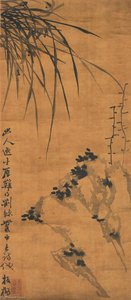
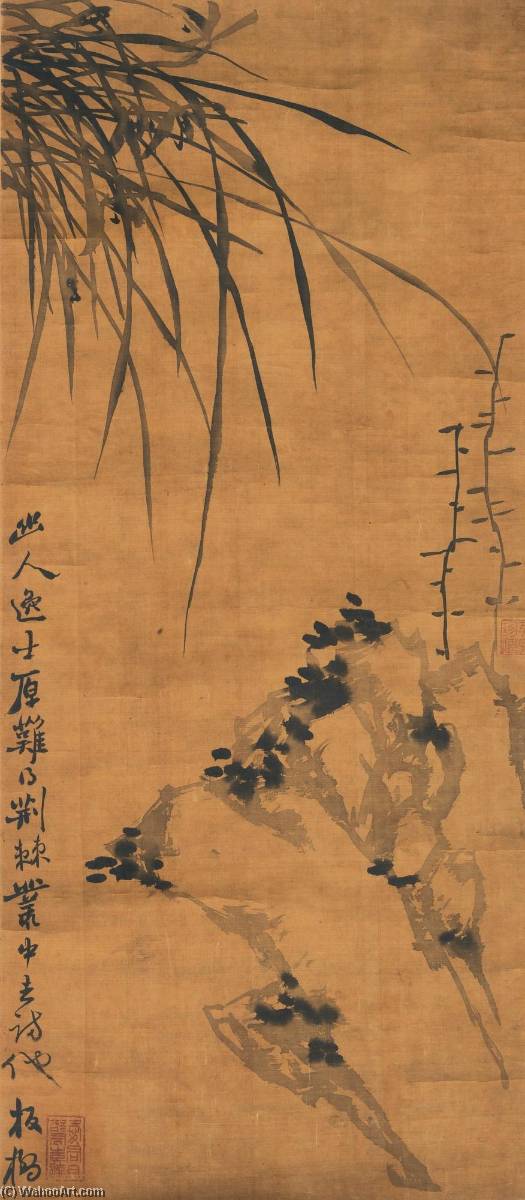
ORCHARD AND ROCKS
 74.0 x 31.0 cm
 Read More
Hand Made Oil Reproduction
Hand-painted oil on canvas in your size and frame, made to order by our artists. ( Buy Print Buy Image)




































Pick from our preset sizes that match the artwork's original proportions.

You may enter your own dimensions to fit a specific frame or space. If your selected size does not match the original image's proportions, we will either crop the artwork or extend the painting with additional hand-painted elements. A digital mockup will be sent for your approval before production begins.
Please note that the on-screen preview does not reflect the actual cropping or extension. Only the mockup will accurately show the final composition.
While custom sizes are available, we recommend selecting a dimension from the predefined list to preserve the original proportions.
After order, ArtsDot.com team will email client for instructions and provide a mockup preview
Worldwide Delivery () in 3/4 weeks instead of standard 5 weeks. (19 August). No compromise on quality.

Free Worldwide Express Shipping

High-Quality Linen Canvas

Full Shipping Insurance

Customs Tax Refund Guarantee

True Color Matching Guarantee

60-Day Return Policy (Defects Only)

100% Money-Back Guarantee

Bulk Discount Offer
 Glass option is only available in size under 110 CM

ORCHARD AND ROCKS
Reproduction Medium
Reproduction Size
-


Total Price
$ 263
Related Artworks
Artist Biography
Zheng Xie (1693–1766): The Poet Painter of Yangzhou
Zheng Xie (1693-1765), commonly known as Zheng Banqiao, stands as a singular figure in Qing dynasty Chinese art—a painter who simultaneously embraced calligraphy and literature, forging an artistic vision deeply rooted in observation of the natural world and imbued with humanist sensibilities. Born in Xinghua County, Jiangsu Province, his early life was marked by hardship, yet he ascended through the imperial examination system to achieve considerable renown as a magistrate in Shandong, demonstrating both intellectual prowess and administrative capability. However, after twelve years of service, Zheng Xie’s disillusionment with officialdom grew palpable; he rejected the compromises demanded by senior bureaucrats and famously resigned his position following criticism regarding his dedication to alleviating poverty—a stance that underscored his unwavering moral compass. This pivotal moment propelled him toward artistic expression as a means of grappling with personal reflection and societal critique. He became one of the Eight Eccentrics of Yangzhou, a group of artists and intellectuals who challenged conventional artistic norms and championed an independent spirit. Unlike many of his contemporaries who sought patronage from the imperial court, Zheng Xie deliberately distanced himself from formal institutions, prioritizing instead the pursuit of authentic artistic vision. His distinctive style—characterized by bold brushstrokes and expressive rendering—became synonymous with Yangzhou painting, particularly landscapes featuring bamboo and orchids. These subjects weren’t merely decorative; they represented profound symbolic meanings – bamboo embodying resilience and virtue, while orchids symbolizing refinement and nobility. A significant contribution to Zheng Xie's artistic legacy lies in his innovative calligraphy style, which emerged from his fascination with orchid drawings. He developed a unique technique that combined meticulous detail with lyrical elegance—a stylistic hallmark that distinguishes his work from other contemporary calligraphers. His poems explored themes of everyday life with remarkable sensitivity and honesty, reflecting a humanist perspective that contrasted sharply with the idealized portrayals favored by official circles. Zheng Xie’s artistic output wasn't simply about capturing visual beauty; it was about conveying emotional depth and intellectual contemplation—a testament to his belief in art as a vehicle for moral enlightenment. In 1748, Zheng Xie briefly returned to public service as “official calligrapher and painter” under the Qianlong Emperor, marking a fleeting reunion with imperial patronage. This engagement allowed him to revisit his formal training and hone his skills within the framework of the court’s artistic standards. However, he swiftly retreated from officialdom once more, reaffirming his commitment to pursuing artistic endeavors independently. Zheng Xie's enduring influence extends beyond his individual paintings; he established a precedent for artists prioritizing personal integrity and aesthetic exploration over adherence to prescribed conventions—a legacy that continues to inspire artists today. Zheng Xie’s art remains celebrated for its masterful depiction of nature, its expressive calligraphy style, and its profound engagement with human experience. He is remembered not merely as a painter but as a poet who elevated the visual arts through intellectual contemplation and moral conviction—a true embodiment of the Eight Eccentrics' spirit of rebellion against artistic dogma and a cornerstone of Yangzhou’s artistic heritage. His work continues to resonate with viewers seeking beauty, sincerity, and insight into the human condition.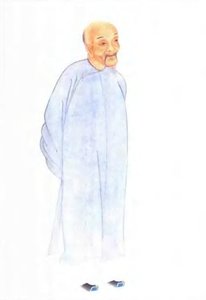
Zheng Xie
1693 - 1766
Quick Facts
- Artistic Movement Or Style: Eight Eccentrics of Yangzhou
- Date Of Birth: November 22, 1693
- Date Of Death: January 22, 1766
- Full Name: Zheng Xie
- Nationality: Chinese
- Notable Artworks:
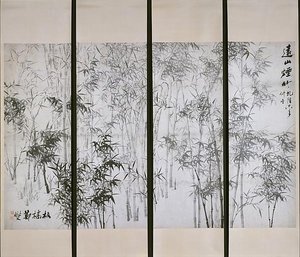
- Misty Bamboo on a Distant Mountain
- Orchard and Rocks
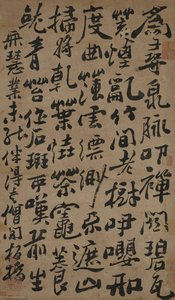
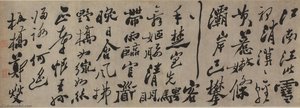
- Poem in Running Script
- Place Of Birth: Xinghua, Jiangsu