

 Preview
 Send
Send Share
Share
 Details

 Download
 Similars
 X-Ray
X-Ray Diaporama
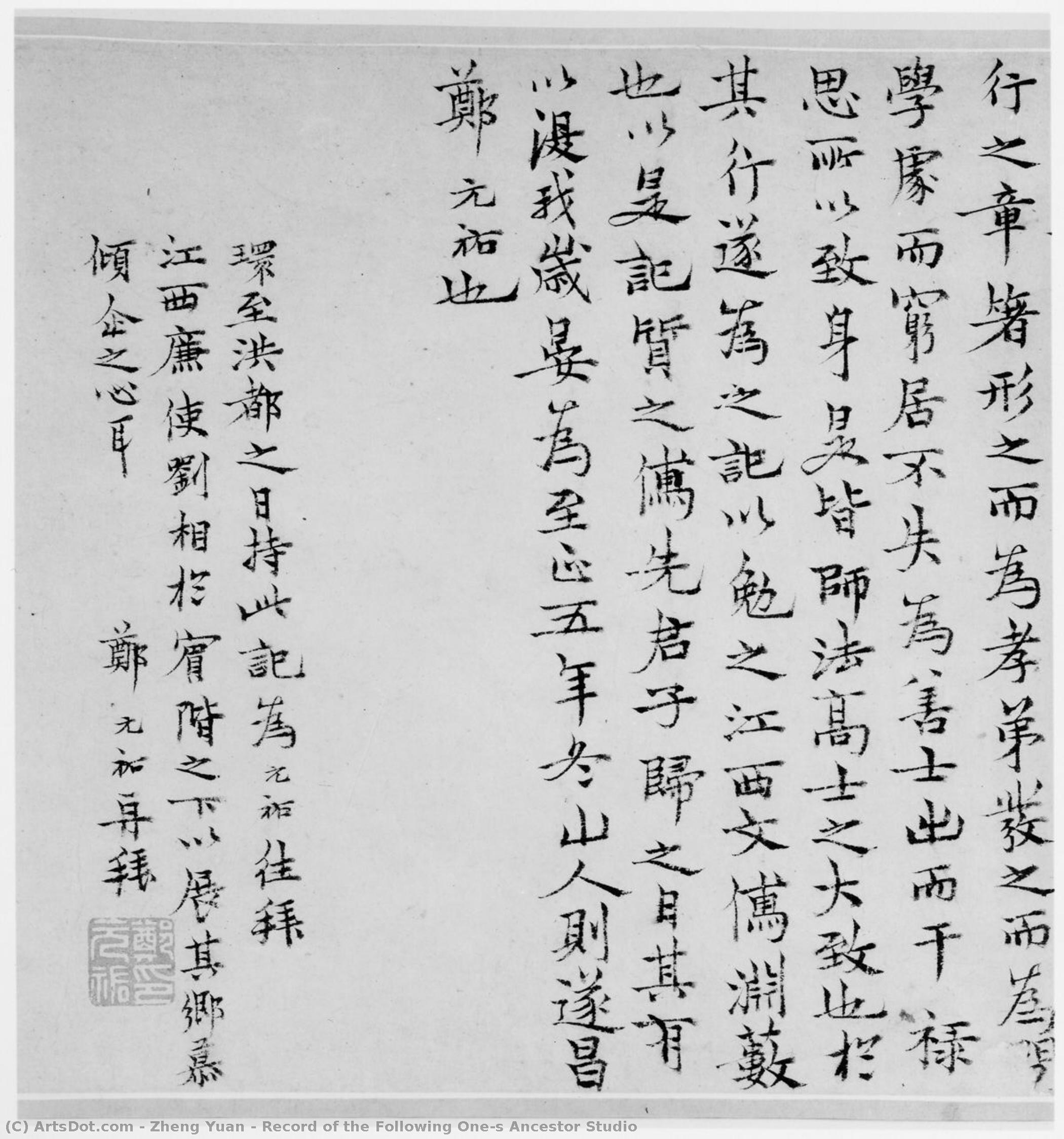
Record of the Following One's Ancestor Studio
 1345
1345 27.0 x 96.0 cm
 Read More
Purchase a high-resolution, enhanced digital image, far superior to the online preview.
Each file is meticulously prepared by our in-house specialists using advanced tools and expert manual retouching. We ensure every image has exceptional clarity, precise color accuracy, and fine detail.
The final file is delivered via email within 72 hours, optimized for immediate use in professional, editorial, and print environments. This is the same quality trusted by top-tier design studios, publishers, and galleries.
Digital Image
Download a high-resolution file for personal display, printing, and creative projects. ( Buy Print Buy Hand Made Painting)
Included in Every Digital Image Order
Expert Digital Delivery, Guaranteed
When you choose ArtsDot.com, you're not just getting an image - you're receiving a professionally enhanced digital artwork, crafted with precision and backed by a satisfaction guarantee. Here's everything that comes with your order, automatically:

Fast Email Delivery
Your high-resolution digital image file will be emailed to you within 72 hours of ordering - ready for immediate use.

AI-Enhanced Digital File
Your artwork is professionally optimized using advanced AI tools and manual editing, ensuring maximum detail, clarity, and color accuracy.

Free Lifetime Re-Delivery
Accidentally deleted or lost your file? No worries - we'll resend it to you anytime, free of charge.

No Import Fees - Ever
Enjoy your artwork instantly with zero customs, duties, or delivery fees - digital downloads are always tax-free.

Color Accuracy Guarantee
We ensure your digital image reflects the original colors as closely as possible using professional tools and color management.

60-Day Satisfaction Guarantee
If you're not satisfied with your digital image, we'll revise it or refund 100% within 60 days - no questions asked.

100% Money-Back Guarantee
Not satisfied? Get a full refund within 60 days of receiving your digital file - no questions asked.

Bulk Order Discounts
Buy 3 images, save 10% - Buy 5, save 15% - Buy 10+, save 20%. Great for creative projects, galleries, and agencies.
Collectible Description
Related Artworks








Artist Biography
Qu Ding: A Song Dynasty Pioneer of Landscape Painting
Born around 1023 in what is now Sichuan Province, Qu Ding (屈鼎) emerged as a significant figure within the burgeoning landscape painting tradition of the Northern Song dynasty. His life and artistic journey offer a fascinating glimpse into the evolving aesthetic sensibilities of the era – a period marked by both political upheaval and unprecedented cultural flourishing. While details surrounding his early life remain somewhat sparse, it’s understood that Qu Ding received his foundational training from Yan Wengui (顏文貴), a highly respected master artist known for his meticulous brushwork and profound understanding of nature. This mentorship proved crucial in shaping Qu Ding's artistic trajectory, instilling within him the core principles of Song landscape painting: a focus on atmospheric perspective, subtle tonal variations, and an appreciation for the quiet beauty of the natural world.
Qu Ding’s style is often characterized by a remarkable restraint and a deliberate avoidance of overt grandeur. Unlike some of his contemporaries who embraced bold brushstrokes and dramatic compositions, Qu Ding favored a more understated approach. His paintings are imbued with a sense of serenity and contemplation, inviting the viewer to lose themselves in the subtle nuances of light, shadow, and texture. He skillfully employed layered washes of ink to create atmospheric depth, mimicking the effects of mist and haze – a technique that became increasingly prominent during this period. His landscapes frequently depict mountains shrouded in clouds, rivers winding through valleys, and sparse trees silhouetted against vast skies. These scenes are not merely representations of physical space; they are imbued with a spiritual quality, reflecting the Song dynasty’s emphasis on harmony between humanity and nature.
The Influence of Yan Wengui and the Song Dynasty Aesthetic
Yan Wengui's influence on Qu Ding is undeniable. The master instilled in his student a deep respect for tradition while simultaneously encouraging experimentation within established boundaries. Yan Wengui’s own style, rooted in meticulous observation and a commitment to capturing the essence of nature, served as a bedrock for Qu Ding’s artistic development. However, Qu Ding didn't simply replicate his teacher’s techniques; he subtly adapted them, injecting his own unique sensibility into the work. This is particularly evident in his use of color – while Yan Wengui favored a predominantly monochrome palette, Qu Ding introduced subtle variations in tone, adding depth and richness to his compositions.
The Song dynasty itself provided a fertile ground for artistic innovation. The period witnessed a shift away from the elaborate court painting styles of previous dynasties towards a more refined and introspective aesthetic. Philosophical currents, particularly Neo-Confucianism, profoundly shaped the worldview of artists, emphasizing the importance of simplicity, humility, and a deep connection to the natural world. This philosophical framework resonated strongly with Qu Ding’s artistic vision, informing his choice of subject matter and his approach to composition. The emphasis on ‘wu wei’ – effortless action – became a guiding principle, reflecting a belief that true artistry arises from allowing nature to speak for itself.
Notable Works and Artistic Techniques
While Qu Ding's oeuvre is relatively small—a testament perhaps to his deliberate pace and contemplative approach—his surviving paintings are considered cornerstones of Song landscape art. A particularly noteworthy example is a scroll depicting mountains shrouded in mist, showcasing his masterful control of atmospheric perspective and his ability to evoke a sense of profound stillness. The painting’s subtle gradations of ink create an illusion of depth, drawing the viewer into the heart of the scene. Another significant work features a solitary pine tree standing amidst rolling hills, embodying the Song dynasty's ideal of resilience and endurance in the face of adversity.
Qu Ding’s technique was characterized by meticulous brushwork and a deep understanding of ink wash painting (水墨畫). He employed a variety of brushstrokes – delicate washes, bold strokes, and subtle gradations – to create textures and convey atmospheric effects. He paid close attention to the interplay of light and shadow, using variations in tone to suggest depth and volume. His compositions are typically balanced and harmonious, reflecting his belief that true beauty lies in simplicity and restraint.
Legacy and Historical Significance
Qu Ding’s contribution to Song landscape painting is often understated, overshadowed by the more flamboyant styles of some of his contemporaries. However, his quiet elegance and profound sensitivity have earned him a respected place within the canon of Chinese art. He represents a crucial link between the traditions of earlier dynasties and the innovative developments of the Northern Song period. His emphasis on atmospheric perspective, subtle tonal variations, and a deep connection to nature profoundly influenced subsequent generations of landscape painters.
Qu Ding’s legacy extends beyond his individual works; he embodies the spirit of the Song dynasty's artistic ideals – a pursuit of beauty, harmony, and spiritual enlightenment through the contemplation of the natural world. His paintings serve as a reminder that true artistry lies not in ostentation or virtuosity, but in quiet observation, mindful execution, and an unwavering commitment to capturing the essence of reality.
zheng yuan
1056 - 1093 , China
Quick Facts
- Artistic Movement Or Style: Song dynasty painting
- Artists Or Movements Influenced By This Artist: ['']
- Artists Who Influenced This Artist: ['Yan Wengui']
- Date Of Death: 1093
- Full Name: Qu Ding
- Nationality: Chinese
- Notable Artworks: ['']
- Place Of Birth: China

