

 Preview
 Send
Send Share
Share
 Details

 Download
 Similars
 X-Ray
X-Ray Diaporama
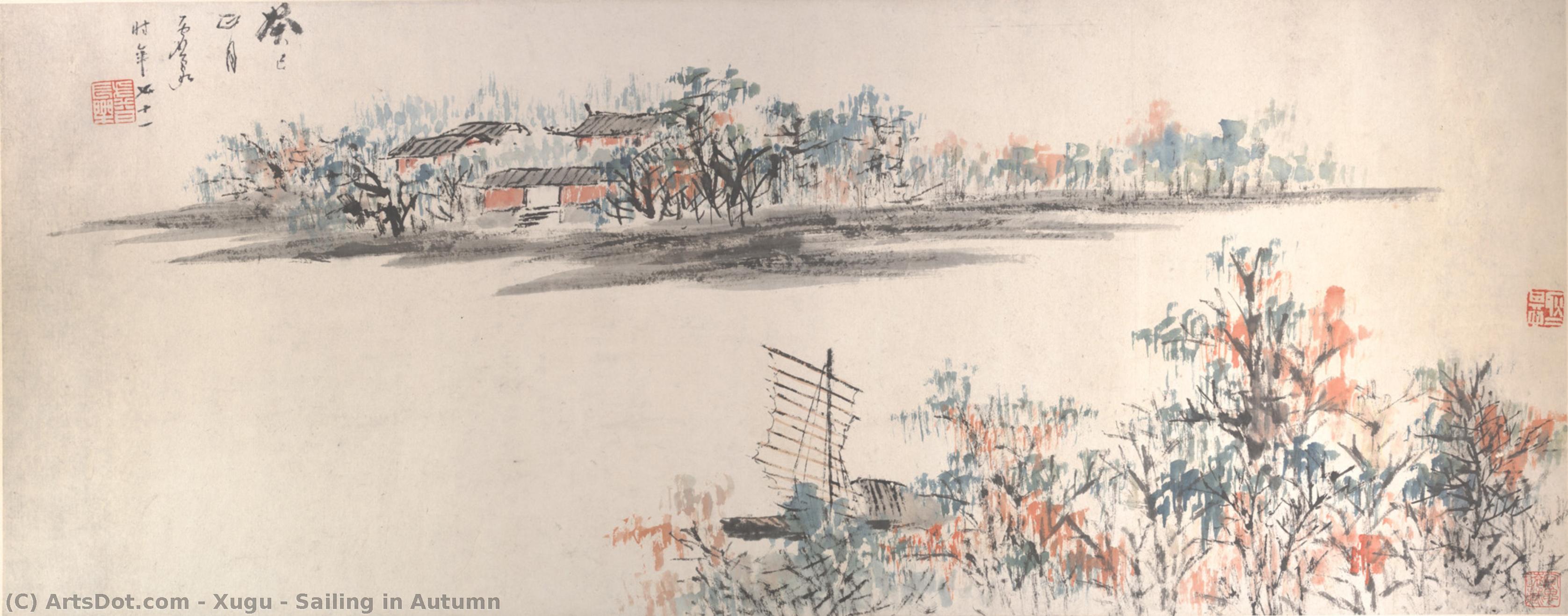
Sailing in Autumn
 1893
1893 36.0 x 91.0 cm
 Read More
Purchase a high-resolution, enhanced digital image, far superior to the online preview.
Each file is meticulously prepared by our in-house specialists using advanced tools and expert manual retouching. We ensure every image has exceptional clarity, precise color accuracy, and fine detail.
The final file is delivered via email within 72 hours, optimized for immediate use in professional, editorial, and print environments. This is the same quality trusted by top-tier design studios, publishers, and galleries.
Digital Image
Download a high-resolution file for personal display, printing, and creative projects. ( Buy Print Buy Hand Made Painting)
Included in Every Digital Image Order
Expert Digital Delivery, Guaranteed
When you choose ArtsDot.com, you're not just getting an image - you're receiving a professionally enhanced digital artwork, crafted with precision and backed by a satisfaction guarantee. Here's everything that comes with your order, automatically:

Fast Email Delivery
Your high-resolution digital image file will be emailed to you within 72 hours of ordering - ready for immediate use.

AI-Enhanced Digital File
Your artwork is professionally optimized using advanced AI tools and manual editing, ensuring maximum detail, clarity, and color accuracy.

Free Lifetime Re-Delivery
Accidentally deleted or lost your file? No worries - we'll resend it to you anytime, free of charge.

No Import Fees - Ever
Enjoy your artwork instantly with zero customs, duties, or delivery fees - digital downloads are always tax-free.

Color Accuracy Guarantee
We ensure your digital image reflects the original colors as closely as possible using professional tools and color management.

60-Day Satisfaction Guarantee
If you're not satisfied with your digital image, we'll revise it or refund 100% within 60 days - no questions asked.

100% Money-Back Guarantee
Not satisfied? Get a full refund within 60 days of receiving your digital file - no questions asked.

Bulk Order Discounts
Buy 3 images, save 10% - Buy 5, save 15% - Buy 10+, save 20%. Great for creative projects, galleries, and agencies.
Related Artworks









Artist Biography
A Life Embraced by Ink: The World of Zhu Huairen (Xugu)
Zhu Huairen, known to the art world as Xugu, was a figure whose life unfolded like an unfolding scroll painting – marked by unexpected turns and imbued with a profound spiritual depth. Born in 1823 in She County, Anhui province, China, his early existence offered little hint of the artistic path he would ultimately forge. He began not as a scholar or artist, but as an army officer within the Qing Dynasty’s ranks. This initial foray into military life proved formative, though not in ways one might expect. It was during this period that Zhu Huairen experienced a shift in perspective, a growing disquiet with worldly affairs that ultimately led him to embrace a life of monastic seclusion. He took Buddhist vows, joining the Chan (Zen) sect and adopting the name Xugu – “Empty Valley” – a moniker that would come to beautifully encapsulate his artistic sensibility.From Battlefield to Brush: A Transformation in Style
Xugu’s transition from soldier to monk was not merely a change of profession; it represented a fundamental reorientation of his being. He dedicated himself to the practice of Chan Buddhism, and this spiritual immersion became inextricably linked with his burgeoning artistic endeavors. While he had likely engaged with calligraphy and painting prior to entering monastic life, it was now that these pursuits took on new meaning. Xugu’s art wasn't simply about depicting landscapes or figures; it was a vehicle for expressing the essence of Zen philosophy – the impermanence of all things, the interconnectedness of existence, and the pursuit of enlightenment through direct experience. He became renowned for his mastery of ink and color paintings on paper, favoring scenes that evoked tranquility, contemplation, and a sense of harmony with nature. His early works demonstrate an initial grounding in traditional techniques, but he quickly began to develop a distinctive style characterized by uniquely naive forms, elegant coloring, and a deliberate interplay between empty space and solid form.The Shanghai School & A Unique Artistic Voice
Xugu’s artistic development coincided with the flourishing of the Shanghai School of painting during the late Qing Dynasty. This school was known for its eclecticism, embracing both traditional styles and incorporating elements from literati painting as well as popular art forms. Xugu became a prominent figure within this vibrant milieu, associating with other leading artists such as Ren Bonian and Wu Changshuo. However, he wasn’t simply an imitator of existing trends; he carved out his own unique niche. He broke away from rigid conventions, blending the spontaneity of *Xieyi* (freehand brushwork) with a keen observational eye for realism. This resulted in a style that was both expressive and refined – coldly elegant, fresh, and imbued with a subtle sense of humor. His subjects were diverse, ranging from flowers, fruits, birds, and fish to landscapes and portraits, but he was particularly celebrated for his depictions of squirrels and goldfish, rendered with remarkable detail and personality.Legacy & Lasting Influence
Xugu’s artistic achievements earned him recognition during his lifetime, and his reputation has continued to grow in the centuries since. He is considered one of the Four Masters of the Shanghai School, a testament to his significant contribution to Chinese painting. His works are now held in prestigious museums around the world, including the Metropolitan Museum of Art and the Art Institute of Chicago, offering contemporary audiences a glimpse into the mind of this remarkable artist. Beyond his technical skill, Xugu’s lasting legacy lies in his ability to infuse his paintings with a profound sense of spiritual depth. He demonstrated that art could be more than just aesthetic pleasure; it could be a pathway to self-discovery and enlightenment. His aloof temperament and reluctance to part with his creations only added to the mystique surrounding his work, ensuring its enduring value and appeal. Xugu passed away in 1896, leaving behind a body of work that continues to inspire awe and contemplation – a testament to a life embraced by ink and illuminated by Zen.- Notable Characteristics: Ink and color paintings on paper; landscapes & figures; Chan Buddhist inspiration.
- Key Influences: Chan Buddhism, Shanghai School of painting, Ren Bonian, Wu Changshuo.
- Major Themes: Impermanence, interconnectedness, harmony with nature, spiritual enlightenment.
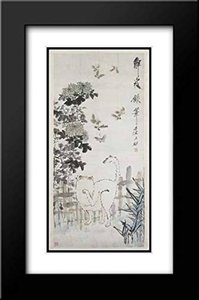
zhu huairen
1823 - 1896 , China
Quick Facts
- Artistic Movement Or Style: Chan Buddhist painting
- Date Of Birth: 1823
- Date Of Death: 1896
- Full Name: Zhu Huairen
- Nationality: Chinese
- Notable Artworks:
- Sailing in Autumn
- Plum Blossoms & Goldfish
- Pine and Chrysanthemums
- Place Of Birth: She County, China

