

 Preview
 Send
Send Share
Share
 Details

 Download
 Similars
 X-Ray
X-Ray Diaporama
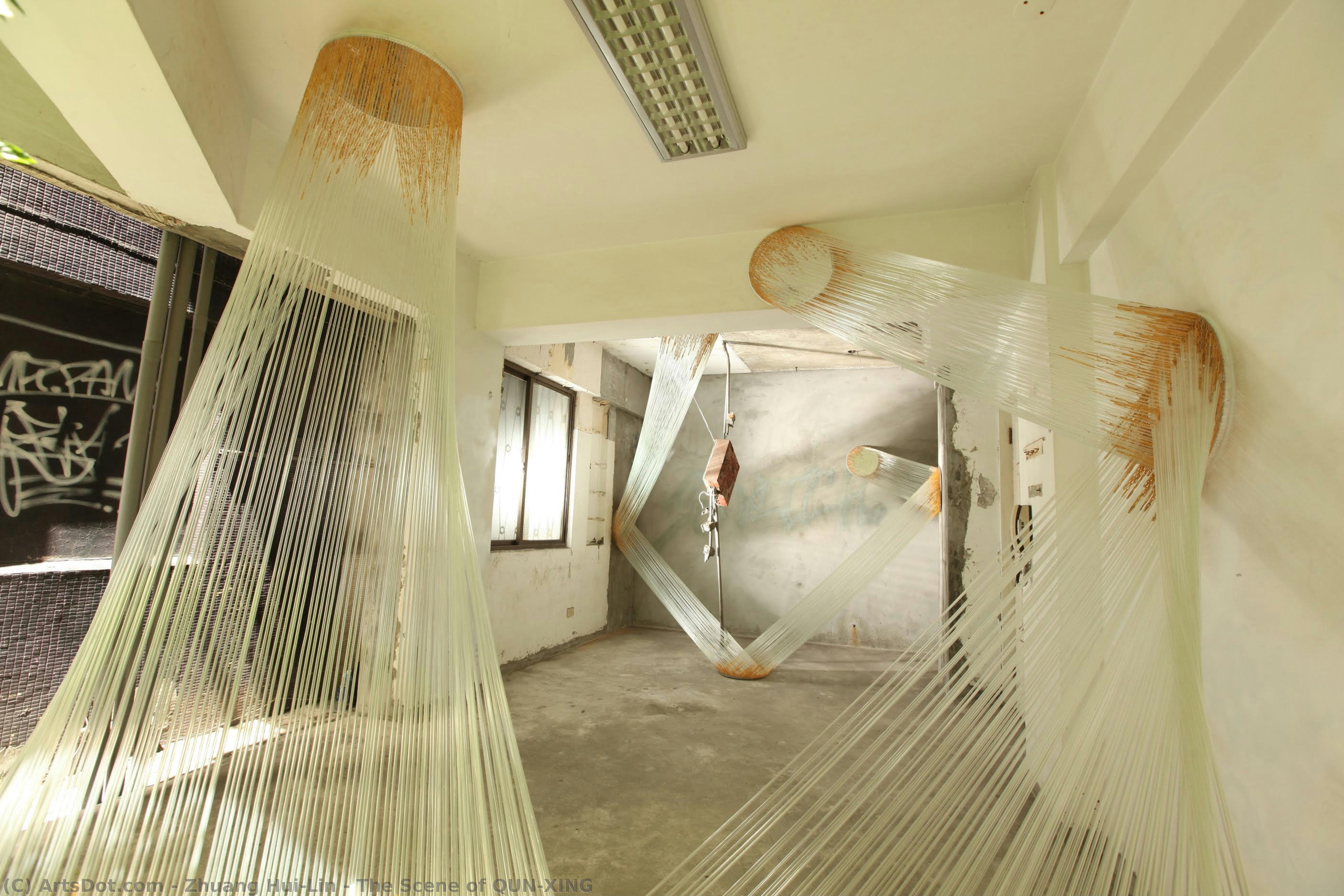
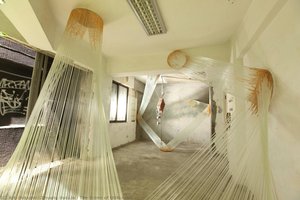
The Scene of QUN-XING

 Read More
Purchase a high-resolution, enhanced digital image, far superior to the online preview.
Each file is meticulously prepared by our in-house specialists using advanced tools and expert manual retouching. We ensure every image has exceptional clarity, precise color accuracy, and fine detail.
The final file is delivered via email within 72 hours, optimized for immediate use in professional, editorial, and print environments. This is the same quality trusted by top-tier design studios, publishers, and galleries.
Digital Image
Download a high-resolution file for personal display, printing, and creative projects. ( Buy Print Buy Hand Made Painting)
Included in Every Digital Image Order
Expert Digital Delivery, Guaranteed
When you choose ArtsDot.com, you're not just getting an image - you're receiving a professionally enhanced digital artwork, crafted with precision and backed by a satisfaction guarantee. Here's everything that comes with your order, automatically:

Fast Email Delivery
Your high-resolution digital image file will be emailed to you within 72 hours of ordering - ready for immediate use.

AI-Enhanced Digital File
Your artwork is professionally optimized using advanced AI tools and manual editing, ensuring maximum detail, clarity, and color accuracy.

Free Lifetime Re-Delivery
Accidentally deleted or lost your file? No worries - we'll resend it to you anytime, free of charge.

No Import Fees - Ever
Enjoy your artwork instantly with zero customs, duties, or delivery fees - digital downloads are always tax-free.

Color Accuracy Guarantee
We ensure your digital image reflects the original colors as closely as possible using professional tools and color management.

60-Day Satisfaction Guarantee
If you're not satisfied with your digital image, we'll revise it or refund 100% within 60 days - no questions asked.

100% Money-Back Guarantee
Not satisfied? Get a full refund within 60 days of receiving your digital file - no questions asked.

Bulk Order Discounts
Buy 3 images, save 10% - Buy 5, save 15% - Buy 10+, save 20%. Great for creative projects, galleries, and agencies.
Collectible Description
Related Artworks



Artist Biography
The Weaver of Memory: The Artistic Journey of Zhuang Hui
Born in the rugged landscapes of Yumen, Gansu Province, in 1963, Zhuang Hui carries within his creative DNA the vastness and the historical echoes of Northwest China. His artistic identity is deeply rooted in a lineage of visual storytelling; as the son of an itinerant studio photographer, he was raised amidst the transformative power of the lens and the meticulous observation required to capture fleeting human moments. This early exposure to the craft of photography did more than provide technical inspiration—it instilled a profound fascination with how images can document, preserve, and ultimately reshape our understanding of reality and identity.
As his practice evolved, Zhuang Hui moved beyond the singular frame of the camera to embrace the expansive realms of performance, sculptural installation, and conceptual photography. His work serves as a bridge between the tangible and the ephemeral, often exploring the tension between the individual experience and the sweeping tides of political and social change in China. By integrating elements of Taoist philosophy—emphasizing spontaneity and a harmonious connection to the natural world—he creates spaces where the viewer is invited to contemplate the cyclical rhythms of existence and the delicate interconnectedness of all things.
Materiality and the Poetics of Space
One of the most striking aspects of Zhuang Hui’s oeuvre is his masterful manipulation of materials to evoke deep emotional resonance. In his celebrated installation, “The Scene of Qun-xing”, he demonstrates an uncanny ability to transform the mundane into the monumental. While some interpretations focus on the use of reclaimed wood and stone to ground the work in the earth, other facets of his practice highlight a fascination with the industrial artifacts of modern life. He has been known to utilize mass-produced materials such as plastic ropes, tubes, and even erasers, weaving them into intricate structures that challenge our perceptions of value and permanence.
Through these tactile interventions, Zhuang Hui breathes life into the inanimate. His technique often involves a repetitive, almost meditative process—such as the rhythmic weaving of plastics—to extend materials beyond their original form, creating ripples that resemble the score of a soundless melody. This approach allows him to dig out a hidden glow within heavily mass-produced objects, turning the "disposable" into something that possesses facial expressions and a sense of presence. In his hands, plastic is no longer merely an industrial byproduct; it becomes a medium capable of traveling between surfaces, creating a force that connects the viewer to the very fabric of contemporary urban life.
A Legacy of Humanistic Inquiry
The historical significance of Zhuang Hui’s work lies in its ability to navigate the complex landscape of modernity. His large-scale photographic portraits, which often feature groups of workers captured through specialized long-format cameras, serve as powerful documents of a changing era. These works are not merely aesthetic achievements but humanistic inquiries into the political ideals and social structures that define his time. He captures the direct experience of a world that is slowly unraveling under the weight of rapid modernization, preserving the dignity of the subjects within the grand narrative of history.
Throughout his career, Zhuang Hui has achieved significant international recognition, with his work featured in prestigious institutions such as the Venice Biennale, the Tate Modern, and the Groninger Museum. His ability to blend the personal—the memories of his childhood in Gansu—with the universal—the shared human struggle for identity amidst change—has secured his place as a vital voice in contemporary Chinese art. His practice remains a profound testament to the power of art to act as both a mirror to society and a window into the enduring spirit of the human soul.
zhuang hui-lin
1963 - , China
Quick Facts
- Artistic Movement Or Style: Conceptual Art
- Artists Who Influenced This Artist: His father (photographer)
- Date Of Birth: 1963
- Full Name: Zhuang Hui-lin
- Nationality: Chinese
- Notable Artworks: ['The Scene of Qun-xing']
- Place Of Birth: Yumen, China

