 Preview
 Send
Send Share
Share
 Details

 Download
 Similars
 X-Ray
X-Ray Diaporama
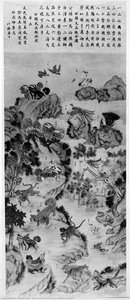
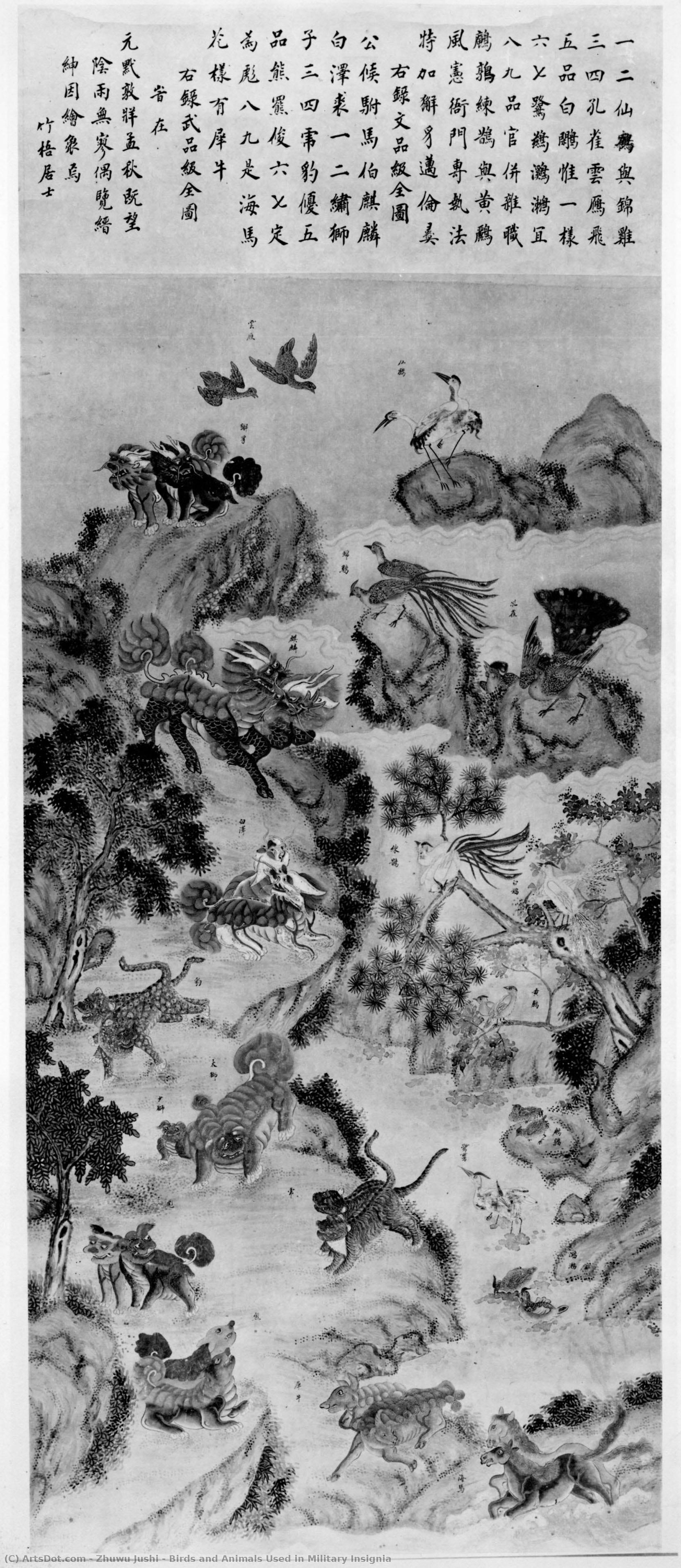
Birds and Animals Used in Military Insignia


 Read More
Hand Made Oil Reproduction
Hand-painted oil on canvas in your size and frame, made to order by our artists. ( Buy Print Buy Image)




P118B $10

P118H $10

P118W $10

P438Z $10

P508JH $12

P508YH $12

P805H $10

P805Z $10

P919BZ $10

P919G $10

P919XJ $10

P959ZH $10

P968JZ $12

W106C $8

W218G $10

W218JH $8

W218Y $10

W307PJ $10

W316G $10

W316PJ $8

W316Y $10

W398PJ $8

W4111J $10

W500HY $15

W500JH $15

W692G $12

W849H $8

W940BG $15

W953PJ $8




Pick from our preset sizes that match the artwork's original proportions.

You may enter your own dimensions to fit a specific frame or space. If your selected size does not match the original image's proportions, we will either crop the artwork or extend the painting with additional hand-painted elements. A digital mockup will be sent for your approval before production begins.
Please note that the on-screen preview does not reflect the actual cropping or extension. Only the mockup will accurately show the final composition.
While custom sizes are available, we recommend selecting a dimension from the predefined list to preserve the original proportions.
After order, ArtsDot.com team will email client for instructions and provide a mockup preview
Worldwide Delivery () in 3/4 weeks instead of standard 5 weeks. (31 August). No compromise on quality.

Free Worldwide Express Shipping

High-Quality Linen Canvas

Full Shipping Insurance

Customs Tax Refund Guarantee

True Color Matching Guarantee

60-Day Return Policy (Defects Only)

100% Money-Back Guarantee

Bulk Discount Offer
 Glass option is only available in size under 110 CM

Birds and Animals Used in Military Insignia
Reproduction Medium
Reproduction Size
-


Total Price
$ 263
Related Artworks

Artist Biography
A Brush with Officialdom: The Life and Art of Zhu Wu Jushi
Zhu Wu Jushi (1834-1909), a name that translates to “Bamboo Dweller,” offers a glimpse into the artist’s self-perception—a scholar-recluse finding solace in nature, yet inextricably linked to the world of imperial China. Born in Beijing during the waning years of the Qing dynasty, Zhu Wu Jushi emerged as a master of *gongbi*, a highly detailed and realistic style of Chinese painting characterized by precise brushwork and vibrant colors. His life coincided with a period of immense upheaval for China, witnessing both the height of Qing power and the growing internal pressures that would eventually lead to its collapse. While biographical details remain somewhat sparse, his artwork provides a compelling narrative of artistic dedication and a unique focus on the symbolic language of military insignia depicted through meticulously rendered birds and animals.The Gongbi Tradition and Zhu Wu Jushi’s Distinctive Style
Zhu Wu Jushi did not invent *gongbi*—the style had been refined over centuries, reaching its zenith during the Song dynasty (960-1279)—but he brought a particular sensibility to it. Unlike the more expressive and spontaneous *xieyi* (“freehand”) style, *gongbi* demanded painstaking attention to detail, layering colors to create depth and texture. Zhu Wu Jushi excelled in this technique, his silk paintings appearing almost jewel-like in their brilliance. However, what truly set him apart was his subject matter: he specialized in depicting birds and animals not merely as naturalistic representations but as embodiments of rank within the imperial bureaucracy. Each creature carried a specific significance—a crane representing high office, a pheasant signifying a lower position—creating a visual catalog of the Qing officialdom. This unusual focus suggests a deep understanding of courtly life and perhaps even direct commissions from officials seeking to commemorate their status or present gifts to superiors. His work is not simply beautiful; it’s a coded representation of power, ambition, and social hierarchy.Symbolism Woven in Feathers: Decoding the Military Insignia
The Qing dynasty employed a complex system of rank badges—embroidered squares worn on officials' robes to denote their position within the bureaucracy. Zhu Wu Jushi translated this visual language onto silk, replacing fabric and thread with ink and color. His most famous work, “Birds and Animals Used in Military Insignia,” exemplifies this approach. The painting isn’t a literal depiction of badges but rather an allegorical representation using avian and animal imagery. A majestic crane might symbolize a first-rank official, while a quail could represent a lower position. The meticulous detail extended to the surrounding flora and landscapes, each element carefully chosen to enhance the symbolic meaning. The inscription accompanying the painting further clarifies these associations, providing a key to understanding Zhu Wu Jushi’s artistic intent. This work is not merely decorative; it's a sophisticated visual document of Qing society, offering insights into its complex social structure and the importance placed on official rank. The inclusion of mythical creatures like the *qilin* (Chinese unicorn) and *bai ze*, legendary benevolent beasts, adds another layer of meaning, invoking auspiciousness and imperial authority.Legacy and Collections
Despite not being a member of the traditional literati circles—the scholar-officials who often dominated Chinese art history—Zhu Wu Jushi achieved recognition for his unique skill and subject matter. His paintings found their way into prominent collections, including that of The Metropolitan Museum of Art in New York City, attesting to their artistic merit and historical significance. His work continues to be studied by scholars interested in Qing dynasty courtly life, symbolism, and the evolution of *gongbi* painting. While his personal story remains somewhat elusive, Zhu Wu Jushi’s art speaks volumes—a testament to a master craftsman who captured not only the beauty of nature but also the intricate social fabric of imperial China. His paintings offer a rare glimpse into a world of power, ambition, and the symbolic language that governed it, ensuring his place as a significant figure in Chinese artistic history. The availability of his work on platforms like Google Arts & Culture further expands access to his art, allowing new generations to appreciate his skill and unravel the secrets woven within each feather and brushstroke.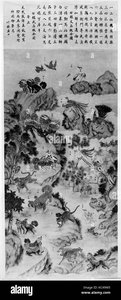
zhuwu jushi
1834 - 1909 , China
Quick Facts
- Artistic Movement Or Style: Gongbi painting
- Date Of Birth: 1834
- Date Of Death: 1909
- Full Name: Zhu Wu Jushi
- Nationality: Chinese
- Notable Artworks: ['Birds and Animals Used in Military Insignia']
- Place Of Birth: Beijing, China
Related Articles
Feathered Visions: A Historical & Artistic Exploration of Birds in Painting
Explore the rich history of birds in painting! Discover symbolism, artistic movements & master artists like Audubon. High-quality reproductions available at ArtsDot.
Pu Xinyu's 'Puru': A Legacy of Literati Painting & Emotional Resonance
Explore the captivating world of Pu Xinyu (Puru), the last great literati painter. Discover his imperial heritage, masterful ink wash techniques & enduring legacy – a valuable addition to any discerning art collection.
Xie Zhiliu: A Legacy of Ink Wash Painting & Modern Chinese Literati Tradition
Explore the legacy of Xie Zhiliu, a master of Chinese ink wash painting & prominent figure in modern art. Discover his techniques, influences, and contributions to literati tradition. A guide for discerning collectors.
Timeless Elegance: Discovering the Soulful Beauty of Chinese Calligraphy for Sophisticated Home Interiors
Elevate your home with the serene beauty of Chinese calligraphy art. Explore our collection of hand-painted ink wash reproductions and bespoke commissions at ArtsDot.com. Discover museum-quality pieces designed to bring cultural elegance and tranquility to your modern interior.
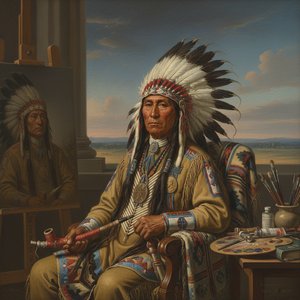
Charles Bird King: Capturing Native American Dignity Through Portraiture & Cultural Exchange
Explore the captivating portraits of Charles Bird King, renowned for his depictions of Native American leaders. Discover the historical context, artistic techniques, and collecting value of these significant 19th-century artworks.