 Preview
 Send
Send Share
Share
 Details

 Download
 Similars
 X-Ray
X-Ray Diaporama
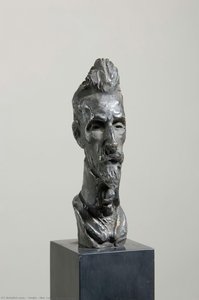
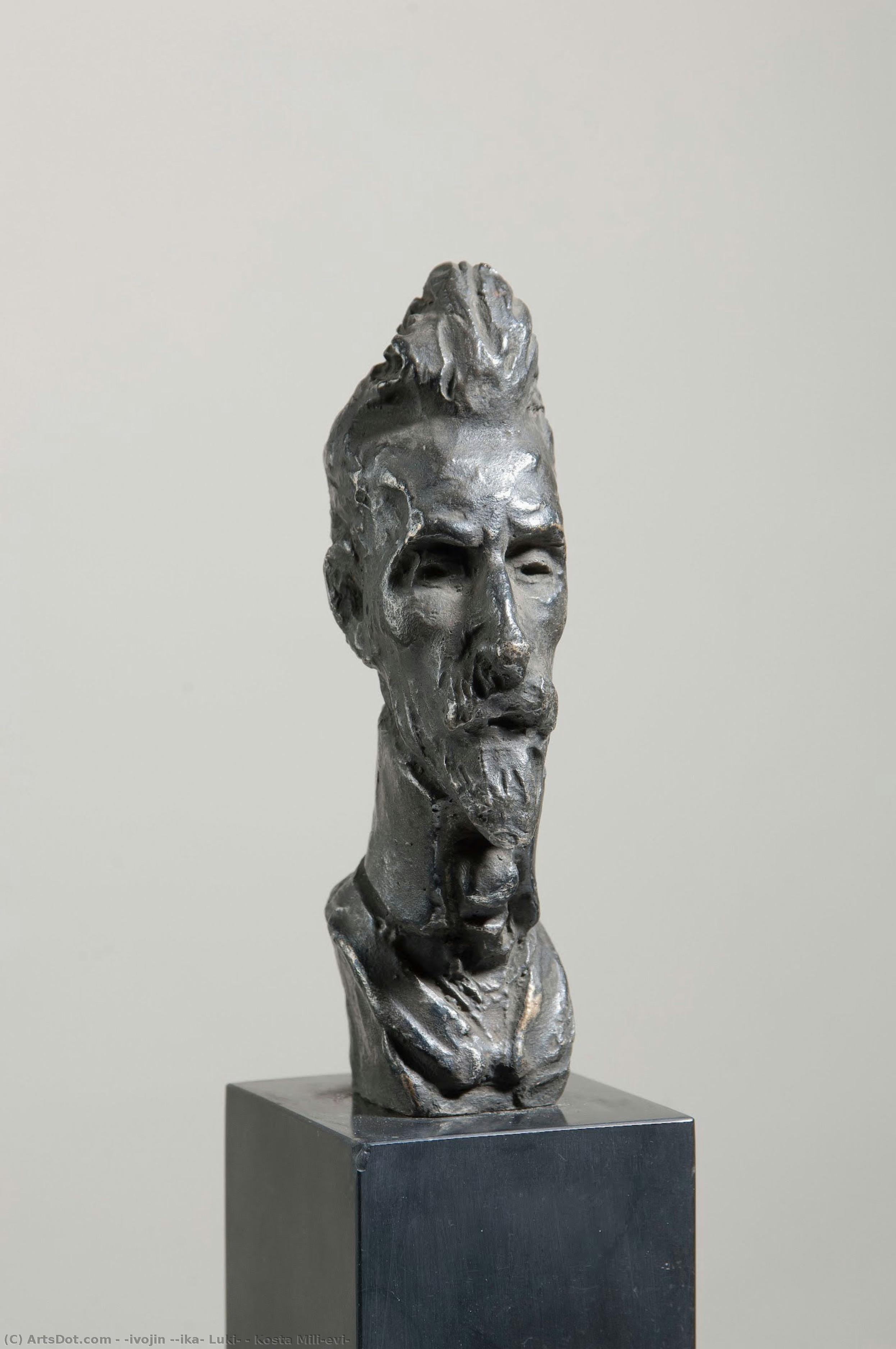
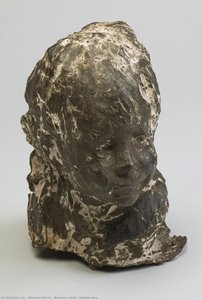
Kosta Miličević
 1913
1913 3.0 x 12.0 cm
 The Pavle Beljanski Memorial Collection
 Read More
Hand Made Oil Reproduction
Hand-painted oil on canvas in your size and frame, made to order by our artists. ( Buy Print Buy Image)




































Pick from our preset sizes that match the artwork's original proportions.

You may enter your own dimensions to fit a specific frame or space. If your selected size does not match the original image's proportions, we will either crop the artwork or extend the painting with additional hand-painted elements. A digital mockup will be sent for your approval before production begins.
Please note that the on-screen preview does not reflect the actual cropping or extension. Only the mockup will accurately show the final composition.
While custom sizes are available, we recommend selecting a dimension from the predefined list to preserve the original proportions.
After order, ArtsDot.com team will email client for instructions and provide a mockup preview
Worldwide Delivery () in 3/4 weeks instead of standard 5 weeks. (24 August). No compromise on quality.

Free Worldwide Express Shipping

High-Quality Linen Canvas

Full Shipping Insurance

Customs Tax Refund Guarantee

True Color Matching Guarantee

60-Day Return Policy (Defects Only)

100% Money-Back Guarantee

Bulk Discount Offer
 Glass option is only available in size under 110 CM

Kosta Miličević
Reproduction Medium
Reproduction Size
-


Total Price
$ 263
Artwork Description
Related Artworks






Artist Biography
A Pioneer of Serbian Modernism: The Life and Art of Živojin Lukić
Živojin “Žika” Lukić, born in Belgrade in 1928, stands as a pivotal figure in the development of modern art within Serbia. His journey wasn’t one of immediate recognition or conventional training; rather, it was forged through self-discovery and a relentless pursuit of artistic expression amidst the tumultuous socio-political landscape of post-war Yugoslavia. Lukić's early life was marked by the hardships of World War II and its aftermath, experiences that profoundly shaped his worldview and ultimately permeated his art. He initially studied law, but quickly abandoned it to dedicate himself entirely to painting, a decision fueled by an innate desire to capture the essence of human existence and the complexities of the world around him. He was largely self-taught, absorbing influences through observation, experimentation, and engagement with international artistic currents filtering into Belgrade during the 1950s. This period saw a burgeoning interest in abstract expressionism and informel art, movements that would significantly impact Lukić’s evolving style.The Formative Years: From Realism to Abstract Exploration
Lukić's artistic beginnings were rooted in realism, reflecting the prevailing aesthetic norms of the time. However, this phase was short-lived. He soon gravitated towards abstraction, driven by a dissatisfaction with representational forms and a yearning for a more direct and emotive language. The early 1950s witnessed his exploration of various abstract styles, characterized by bold brushstrokes, dynamic compositions, and an increasing emphasis on texture and color. He wasn’t merely imitating Western trends; he was actively synthesizing them with the unique cultural context of Serbia, imbuing his work with a distinctly local sensibility. His early works often featured fragmented forms and ambiguous spaces, hinting at the psychological anxieties and uncertainties of the era. This period also saw him experimenting with different materials – oil paints, pastels, charcoal – seeking to find the most effective means of conveying his artistic vision. He participated in numerous group exhibitions during this time, slowly gaining recognition within Belgrade’s art community.The Development of a Unique Artistic Language: ‘Spatialism’ and Beyond
By the late 1950s and early 1960s, Lukić had begun to develop his signature style, often described as “Spatialism.” This wasn't Spatialism in the Italian Lucio Fontana sense, but a uniquely Serbian interpretation. His canvases became arenas for exploring the relationship between form, space, and light. He moved away from traditional painting techniques, incorporating elements of collage, assemblage, and even sculpture into his work. His paintings often featured layers of textured surfaces, creating a palpable sense of depth and dimensionality. Color played a crucial role in his compositions, ranging from muted earth tones to vibrant bursts of energy. He wasn’t interested in depicting objects or scenes; he was focused on the inherent qualities of paint itself – its texture, color, and ability to evoke emotion. This period marked a significant departure from conventional artistic norms, establishing Lukić as a leading innovator within Serbian modernism. He began exhibiting internationally, showcasing his work at prestigious venues across Europe and beyond.Major Achievements and Lasting Legacy
Throughout the 1970s and 80s, Lukić continued to refine his artistic language, producing a prolific body of work that cemented his reputation as one of Serbia’s most important artists. He received numerous awards and accolades for his contributions to contemporary art, including significant recognition from the Serbian Academy of Sciences and Arts. His paintings are held in major public and private collections, both domestically and internationally. Lukić's influence extends beyond his own artistic output; he was also a dedicated educator, mentoring generations of young artists at the Faculty of Fine Arts in Belgrade. He encouraged experimentation, critical thinking, and a commitment to personal expression. His work challenged conventional notions of beauty and representation, paving the way for new forms of artistic inquiry within Serbia. He remained active as an artist throughout his life, constantly pushing boundaries and exploring new possibilities. Živojin Lukić’s legacy lies not only in his stunning visual creations but also in his unwavering dedication to artistic freedom and his profound impact on the development of Serbian modern art. He continues to inspire artists today with his bold vision, innovative techniques, and enduring commitment to capturing the complexities of the human experience.Historical Significance: A Voice for a Generation
Živojin Lukić’s work is inextricably linked to the historical context in which it was created. His art reflects the anxieties, uncertainties, and aspirations of post-war Yugoslavia, a nation grappling with its identity and navigating the complexities of the Cold War era.- He offered a visual language that resonated with a generation seeking new forms of expression, free from the constraints of socialist realism.
- His exploration of abstraction wasn’t merely an aesthetic choice; it was also a form of resistance against ideological control, allowing him to express his ideas and emotions without resorting to overt political statements.
- Lukić's work challenged the prevailing artistic norms, paving the way for greater experimentation and diversity within Serbian art.
- His international recognition helped to raise the profile of Serbian art on the global stage, fostering dialogue and exchange between cultures.
Quick Facts
- Artistic Movement Or Style: Naive Art, Expressionism
- Date Of Death: Living
- Full Name: Živojin 'Žika' Lukić
- Nationality: Serbian
- Notable Artworks:
- Kosovo Girl
- Old Man with a Pipe
- The Painter's Family