

 Preview
 Send
Send Share
Share
 Details

 Download
 Similars
 X-Ray
X-Ray Diaporama
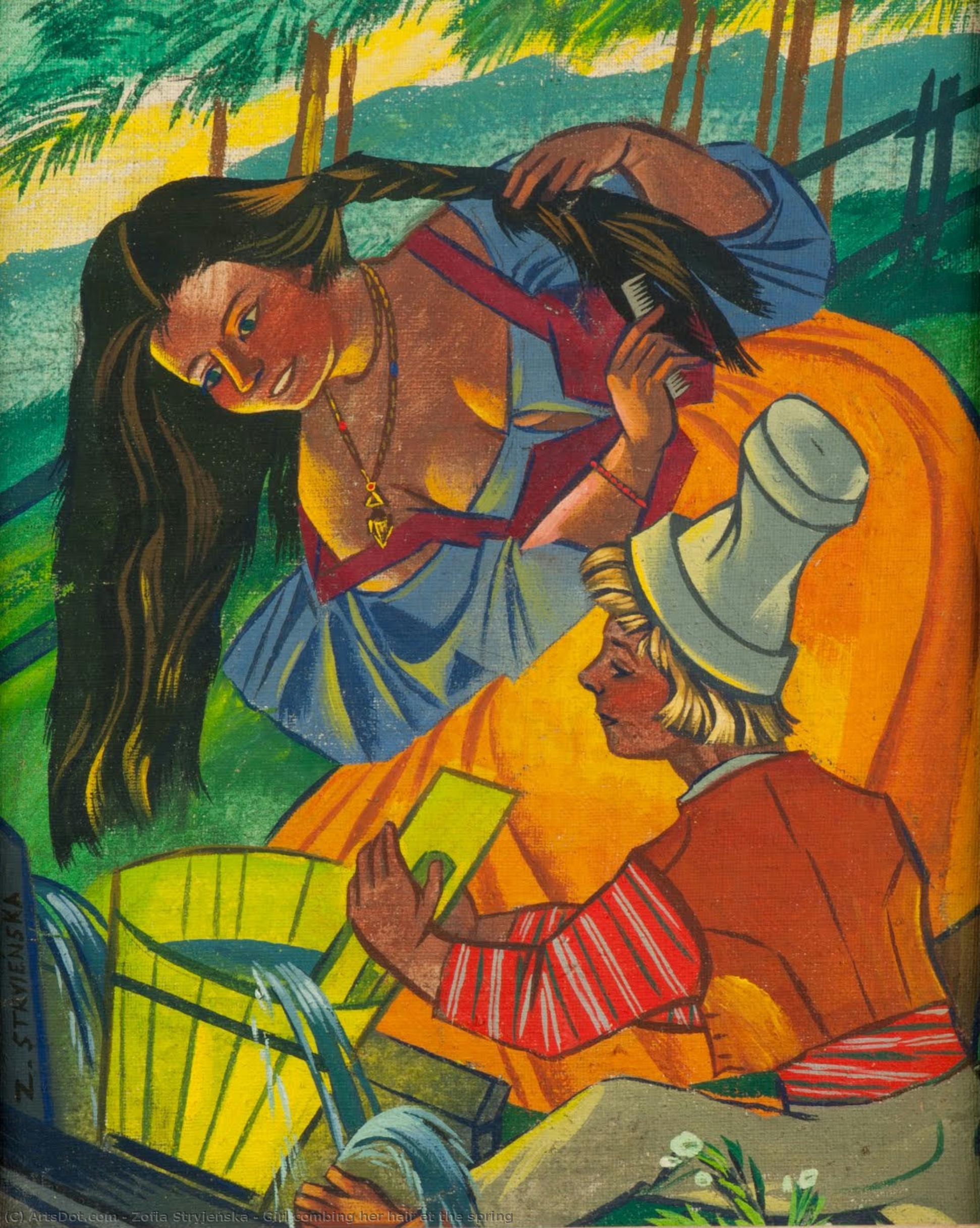
Girl combing her hair at the spring
 Acrylic On Canvas
- WallArt
- Art Deco
 64.0 x 55.0 cm
 The Polish Museum in Rapperswil
 Read More
Purchase a high-resolution, enhanced digital image, far superior to the online preview.
Each file is meticulously prepared by our in-house specialists using advanced tools and expert manual retouching. We ensure every image has exceptional clarity, precise color accuracy, and fine detail.
The final file is delivered via email within 72 hours, optimized for immediate use in professional, editorial, and print environments. This is the same quality trusted by top-tier design studios, publishers, and galleries.
Digital Image
Download a high-resolution file for personal display, printing, and creative projects. ( Buy Print Buy Hand Made Painting)
Included in Every Digital Image Order
Expert Digital Delivery, Guaranteed
When you choose ArtsDot.com, you're not just getting an image - you're receiving a professionally enhanced digital artwork, crafted with precision and backed by a satisfaction guarantee. Here's everything that comes with your order, automatically:

Fast Email Delivery
Your high-resolution digital image file will be emailed to you within 72 hours of ordering - ready for immediate use.

AI-Enhanced Digital File
Your artwork is professionally optimized using advanced AI tools and manual editing, ensuring maximum detail, clarity, and color accuracy.

Free Lifetime Re-Delivery
Accidentally deleted or lost your file? No worries - we'll resend it to you anytime, free of charge.

No Import Fees - Ever
Enjoy your artwork instantly with zero customs, duties, or delivery fees - digital downloads are always tax-free.

Color Accuracy Guarantee
We ensure your digital image reflects the original colors as closely as possible using professional tools and color management.

60-Day Satisfaction Guarantee
If you're not satisfied with your digital image, we'll revise it or refund 100% within 60 days - no questions asked.

100% Money-Back Guarantee
Not satisfied? Get a full refund within 60 days of receiving your digital file - no questions asked.

Bulk Order Discounts
Buy 3 images, save 10% - Buy 5, save 15% - Buy 10+, save 20%. Great for creative projects, galleries, and agencies.
Zofia Stryjeńska’s ‘Girl combing her hair at the spring’: A Celebration of Polish Folklore
The artwork “Girl combing her hair at the spring” by Zofia Stryjeńska stands as a testament to Art Deco aesthetics infused with the rich traditions of Polish folklore. Painted around 1925, this vibrant illustration captures a serene rural scene—a young woman meticulously braiding her hair alongside a boy pouring water into a pail—offering viewers a glimpse into a bygone era and reflecting Stryjeńska’s artistic vision. More than just decorative, it embodies the spirit of national identity during Poland's resurgence after decades of partition.- Style & Influences: Stryjeńska’s style draws heavily from Art Deco principles—characterized by geometric forms, bold outlines, and opulent color palettes—but also incorporates elements of naive art, prioritizing directness and emotional resonance over meticulous realism. Notably, she was inspired by the Cubist movement and the stylistic innovations of Art Deco, demonstrating a sophisticated understanding of contemporary artistic trends.
- Composition & Technique: The artwork employs brushwork with visible strokes, contributing to its textured appearance. Color is applied intensely, creating saturated hues that dominate the landscape backdrop—a hazy expanse punctuated by palm trees and a wooden fence—suggesting a tropical locale. Strong contours delineate shapes, establishing a structural framework while simultaneously conveying a sense of dynamism.
- Symbolism & Narrative: The scene depicts everyday activities within a rural environment, subtly hinting at contrasting roles or states of being. The woman’s focused attention on braiding her hair symbolizes care and nurturing, juxtaposed with the boy's passive activity—reading—representing contemplation and intellectual pursuits. These figures are positioned against a backdrop that evokes tranquility and nostalgia for simpler times.
- Historical Context: Created during Poland’s period of independence following World War I, Stryjeńska’s artwork reflects the nation’s desire to reaffirm its cultural heritage and artistic identity. The Art Deco movement itself served as a vehicle for expressing optimism and grandeur—a reaction to the devastation of the war years—and Stryjeńska skillfully incorporated these stylistic elements into her depiction of Polish folklore.
- Artist's Signature & Legacy: Located at the right edge of the canvas, Stryjeńska’s signature underscores the artist’s commitment to authenticity and artistic integrity. Her work continues to resonate with collectors and art enthusiasts alike, recognized for its captivating color palette, expressive brushwork, and evocative portrayal of rural life—a timeless masterpiece that embodies the spirit of Polish Art Deco.
Detailed Analysis: Color Palette & Texture
The artwork’s color scheme is remarkably bold and vibrant, dominated by hues of turquoise, crimson, and tangerine—colors deliberately chosen to convey warmth and luminosity. These shades are outlined with dark contours, enhancing their visual impact and creating a striking contrast against the muted tones of the landscape background. The artist's meticulous attention to texture—achieved through visible brushstrokes—adds depth and materiality to the scene, immersing viewers in an experience that transcends mere representation.Dimensions & Materials
“Girl combing her hair at the spring” measures 64 x 55 cm and was executed on canvas using acrylic or oil paints. The artwork’s dimensions are carefully considered to optimize its visual presence within interior spaces, while the choice of medium—acrylic or oil—reflects Stryjeńska's artistic sensibilities and contributes to the piece’s enduring quality.Recommended Reproduction:
A high-quality reproduction of “Girl combing her hair at the spring” will allow you to appreciate Stryjeńska’s masterful artistry in your own home, capturing the essence of Art Deco and Polish folklore with stunning clarity and vibrancy. Explore our collection today!Related Artworks
Artist Biography
A Pioneer of Polish Art Deco: The Life and Legacy of Zofia Stryjeńska
Zofia Stryjeńska, born Zofia Lubańska in Kraków, Poland, in 1891, stands as a pivotal figure in the vibrant artistic landscape of interwar Europe. More than simply a painter, she was a multifaceted artist—a graphic designer, illustrator, stage designer, and textile creator—who masterfully synthesized Art Deco aesthetics with the rich tapestry of Polish folklore. Her work wasn’t merely decorative; it was a powerful statement of national identity forged in a period of renewed independence for Poland after decades of partition. From an early age, her talent blossomed, nurtured by private lessons under Leonard Stroynowski and formal training at Maria Niedzielska's School of Fine Art for Women. A formative family trip to Italy in 1910 exposed the young artist to a wealth of European masterpieces, igniting a passion that would fuel her lifelong creative journey. This early exposure laid the groundwork for an artistic vision uniquely her own—one that celebrated both modernity and tradition.Forging a Unique Artistic Voice
Stryjeńska’s career was defined by a distinctive style that defied easy categorization. She didn't simply adopt Art Deco; she *infused* it with the spirit of Poland, creating works brimming with energy and expressive power. Her early recognition came through watercolor illustrations of Polish fables, showcased at the Kraków Society of Friends of Fine Art in 1912. These weren’t mere illustrations; they were vibrant narratives brought to life with striking visual imagery, demonstrating her ability to blend storytelling with artistic innovation. This talent extended beyond the realm of illustration. She secured commissions for designs on the Polish passenger ships “Batory” and “Pilsudski,” transforming functional spaces into showcases of Art Deco elegance. The series *Łowy Bogów* (God Hunt), created in 1921, revealed a fascination with mythological themes, rendered through dynamic compositions that showcased her evolving style. Perhaps one of her most ambitious projects was the *Pascha* (Passover) series—five tempera paintings that seamlessly wove together Polish folklore and religious iconography, demonstrating a profound understanding of cultural symbolism.Influences and Artistic Development
The wellsprings of Stryjeńska’s creativity were diverse and deeply rooted in her surroundings. Polish Folklore was not merely a subject matter; it was an integral part of her artistic DNA, informing her illustrations, decorative motifs, and overall aesthetic sensibility. She drew inspiration from the vibrant costumes, ancient myths, and rural traditions that defined Polish culture. Simultaneously, she embraced the Art Deco Movement, adapting its geometric forms, streamlined designs, and luxurious aesthetic to her own unique vision. This wasn’t a simple imitation; it was a creative dialogue between international trends and national identity. Early influences from Early Modernism also played a role in shaping her initial artistic explorations, providing a foundation upon which she built her distinctive style. The critic Jerzy Warchaławski recognized her potential early on, championing her work in the Polish magazine “Time” in 1913 and significantly boosting her career trajectory. Despite being nominated for the prestigious Golden Laurel of the Polish Academy of Literature in the 1930s, she humbly declined the honor, preferring to let her art speak for itself. Exhibitions at the Belvedere Palace & Museum in Vienna further solidified her reputation as a leading artist on the European stage.A Life Marked by Passion and Resilience
Stryjeńska’s life was not without its challenges. Her personal experiences—a tumultuous marriage to Karol Stryjeński, periods of mental health struggles, and financial difficulties—often mirrored the complexities of her art. She navigated a male-dominated artistic world with unwavering determination, even famously disguising herself as a man, Tadeusz Grzymała Lubański, to gain access to education at the Munich Academy of Fine Arts. This act of defiance speaks volumes about her commitment to her craft and her refusal to be limited by societal constraints. Her diaries, recently gaining attention, reveal a complex personality—passionate, fiercely independent, and prone to both creative brilliance and emotional turmoil. Despite these hardships, she continued to create art throughout her life, exploring various themes and mediums with unwavering dedication. She ventured into advertising graphics, designing for companies like Lotte Wedel, and created designs for porcelain plates, making art accessible to a wider audience. Zofia Stryjeńska passed away in 1976, leaving behind a legacy that continues to inspire artists and captivate audiences today. Her influence can be seen in the works of other artists who embraced Art Deco designs, such as Paul Iribe. Today, her artwork is exhibited in museums worldwide—including the Novokuznetsk Art Museum and the Museum Kunstsalon Franke Schenk—ensuring that her contributions to Polish and international art are remembered and celebrated for generations to come. She remains a testament to the power of artistic vision, cultural pride, and unwavering resilience.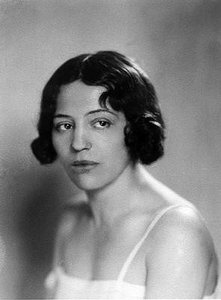
Zofia Stryjeńska
1891 - 1976 , Poland
Quick Facts
- Artistic Movement Or Style: Art Deco, Folklore
- Artists Or Movements Influenced By This Artist: ['Paul Iribe']
- Date Of Birth: May 13, 1891
- Date Of Death: February 28, 1976
- Full Name: Zofia Stryjeńska
- Nationality: Polish
- Notable Artworks:
- Watercolor Fables
- Batory/Pilsudski Design
- Łowy Bogów (God Hunt)
- Pascha (Passover)
- Place Of Birth: Krakow, Poland

