
The Rise of Academic Art: From Renaissance Guilds to State Patronage
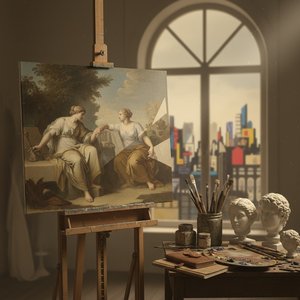
Academic art, academicism, or academism, is a style of painting and sculpture produced under the influence of European academies of art. This method extended its influence throughout the Western world over several centuries, from its origins in Italy...
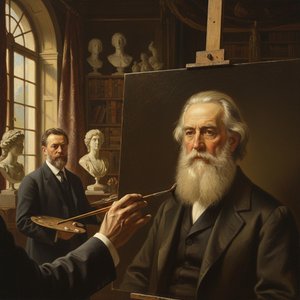
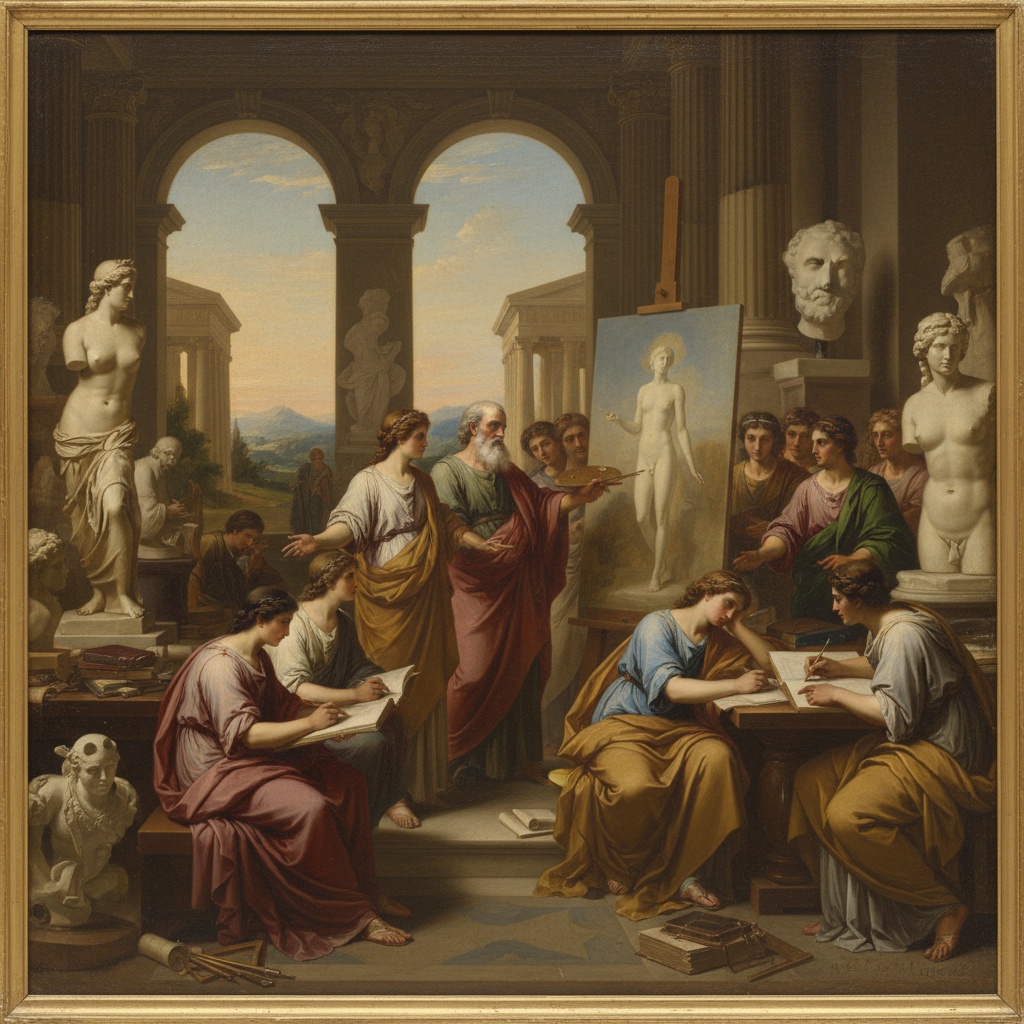
For centuries, the creation of art existed within a framework of apprenticeship and guild structures, where skill was passed down through generations and artistic production served primarily functional purposes. However, the Italian Renaissance witnessed a pivotal shift—a burgeoning recognition of artists not merely as craftsmen but as intellectuals, individuals possessing unique creative vision. Cosimo I de’ Medici's founding of the Accademia delle Arti del Disegno in Florence marked an early attempt to formalize art education and elevate the status of painters and sculptors. This nascent academy, boasting masters like Michelangelo Buonarroti among its members, laid the groundwork for institutions that would profoundly shape artistic standards for centuries to come. The 17th century saw a proliferation of academies across Europe, culminating in the establishment of the Académie Royale de Peinture et Sculpture under Louis XIV in France. This institution wasn’t simply about technical training; it was an assertion of state power, a deliberate effort to distinguish artists from artisans and position them within the realm of the liberal arts—a move that fundamentally altered the trajectory of Western art.
The Académie Royale, housed within the majestic Palais du Louvre, became the epicenter of artistic authority. Its influence extended far beyond France’s borders, establishing a model emulated throughout the continent and eventually across the globe. The emphasis shifted from practical workshop training to intellectual study—drawing from ancient Greek sculpture, mastering perspective and anatomy, and meticulously copying Old Master paintings. This rigorous curriculum wasn't merely about replicating past achievements; it was intended to cultivate a collective aesthetic consciousness, valuing tradition, order, and idealized beauty above individual expression.
Defining Characteristics: Neoclassicism, Romanticism & the Hierarchy of Genres
The 19th century witnessed the apogee of Academic art, a period characterized by a complex interplay between Neoclassical rigor and Romantic emotionality. While seemingly disparate, these movements weren’t mutually exclusive within the academic framework. Neoclassicism, with its emphasis on order, symmetry, and classical subject matter—drawing inspiration from ancient Greece and Rome—provided a foundation of technical precision and moral gravitas. Artists like Ingres championed this approach, meticulously rendering anatomical accuracy and idealized forms in works that exuded a sense of timeless elegance. However, the burgeoning Romantic movement introduced a countercurrent—a fascination with emotion, individualism, and dramatic narratives. Academic painters adeptly incorporated elements of Romanticism into their work, infusing classical compositions with heightened emotional intensity and dynamic brushwork.
Central to understanding Academic art is recognizing its inherent hierarchy of genres. History painting – encompassing religious, mythological, and historical themes – occupied the pinnacle of this system, deemed the most intellectually stimulating and morally edifying form of artistic expression. Portraiture held a respectable position, followed by genre painting (scenes of everyday life), landscape, animal painting, and finally, still life at the lower end of the scale. This hierarchy dictated not only subject matter but also the allocation of resources and prestige within the art world—scholarships, commissions, and exhibition space were disproportionately awarded to history painters.
The Salon System: Exhibition, Influence and Artistic Validation
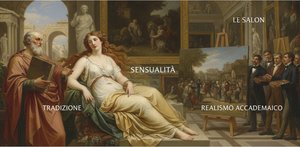
The Salon, or sometimes Paris Salon (French: Salon de Paris [salɔ̃ d(ə) paʁi]), beginning in 1667, was the official art exhibition of the Académie des Beaux-Arts in Paris. Between 1748 and 1890 it was arguably the greatest annual or biennial art even...
No discussion of Academic art is complete without acknowledging the pivotal role of the Paris Salon. Beginning in 1667 as an official exhibition organized by the Académie des Beaux-Arts, the Salon quickly evolved into arguably the most important annual or biennial art event in the Western world. For artists, acceptance into the Salon was paramount—it represented not only public recognition but also validation from the established artistic authorities. The sheer scale of the exhibitions, showcasing hundreds of works each year, transformed Paris into a cultural hub and exerted an immense influence on taste and critical discourse.
The Salon wasn’t merely a display of finished artworks; it was a carefully curated spectacle designed to reinforce academic standards and promote specific artistic ideologies. The Académie controlled the selection process, favoring works that adhered to its principles of technical proficiency, classical subject matter, and moral upliftment. This control, however, also bred controversy. Artists who challenged these conventions often found themselves excluded from the Salon, leading to the formation of alternative exhibition spaces and ultimately contributing to the rise of avant-garde movements.
Key Figures of Academic Painting: Ingres, Bouguereau, Meissonier & Beyond
Jean-Auguste-Dominique Ingres stands as a towering figure in the history of Academic painting. His unwavering commitment to classical ideals—precise draftsmanship, anatomical accuracy, and idealized forms—defined his oeuvre. Works like *La Grande Odalisque* exemplify his mastery of line and form, showcasing a serene beauty that captivated audiences for generations. William-Adolphe Bouguereau, another prominent academician, achieved widespread popularity with his exquisitely rendered mythological and allegorical paintings. His works, characterized by their smooth brushwork, luminous colors, and idealized depictions of the female nude, epitomized the aesthetic sensibilities of the Belle Époque.
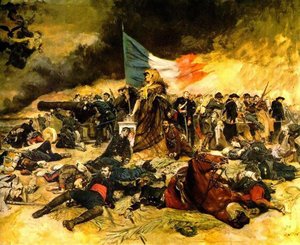
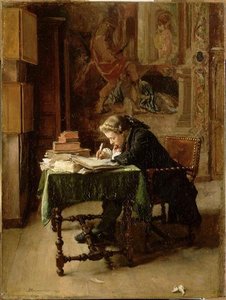
Jean-Louis Ernest Meissonier, renowned for his meticulous historical and military scenes, represents a different facet of Academic art. His paintings, painstakingly detailed and remarkably accurate, captured the grandeur and drama of Napoleonic warfare with unparalleled precision. Other notable figures—Thomas Couture, Hans Makart, and Hugues Merle—contributed to the rich tapestry of academic painting, each bringing their unique skills and perspectives to the movement. These artists, while diverse in their subject matter and style, shared a common commitment to technical excellence and the pursuit of idealized beauty.
Challenges to Academic Art: The Emergence of Realism and Impressionism
Realism, Realistic, or Realists may refer to: == In the arts == Realism (arts), the general attempt to depict subjects truthfully in different forms of the arts Arts movements related to realism include: == In philosophy == Philosophical realism ...
By the mid-19th century, the foundations of Academic art began to crack under the weight of evolving social and artistic currents. The rise of Realism, spearheaded by artists like Gustave Courbet, presented a direct challenge to the academic emphasis on idealism and historical subject matter. Courbet’s *Woman with a Parrot*, for example, boldly depicted a reclining nude without mythological or allegorical pretense—a radical departure from established conventions. This focus on everyday life and unvarnished truth resonated with a growing dissatisfaction with the perceived artificiality of Academic painting.
The emergence of Impressionism further destabilized the academic order. Artists like Monet, Renoir, and Degas rejected the meticulous detail and polished finish of Academic art in favor of capturing fleeting moments of light and color. Their emphasis on subjective perception and plein air painting—working outdoors directly from nature—represented a fundamental shift in artistic priorities. While initially met with scorn and ridicule, Impressionism ultimately revolutionized Western art, paving the way for modernism and forever altering the landscape of artistic expression.
Legacy and Enduring Appeal: Academic Technique in Contemporary Practice
Despite its decline as the dominant force in the art world, the legacy of Academic art continues to resonate today. The emphasis on technical proficiency—drawing, anatomy, perspective, and composition—remains fundamental to art education worldwide. Many contemporary artists, while embracing diverse styles and subject matter, draw upon academic techniques to enhance their work. The meticulous realism of photorealistic painters, for example, owes a clear debt to the traditions established by Meissonier and his contemporaries.
Furthermore, the enduring appeal of Academic art lies in its celebration of beauty, skill, and craftsmanship. Works like those by Bouguereau continue to captivate audiences with their exquisite detail and idealized forms. At ArtsDot.com, we offer a curated selection of high-quality reproductions of masterpieces from the Academic tradition, allowing you to experience the timeless elegance and technical brilliance of these remarkable artists. Whether you’re drawn to the classical precision of Ingres or the dramatic narratives of Couture, our handmade oil paintings and museum-quality prints provide an opportunity to connect with the artistic heritage of the 19th century—a legacy that continues to inspire and enchant.