The Essence of Acrylics: Understanding the Modern Medium's Versatility
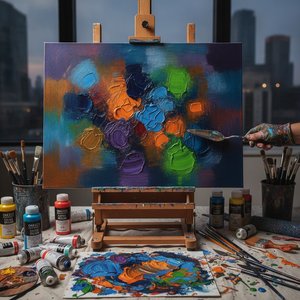 The Art Student’s Definitive Guide to Acrylic Painting: Mastering the World’s Most Versatile Medium
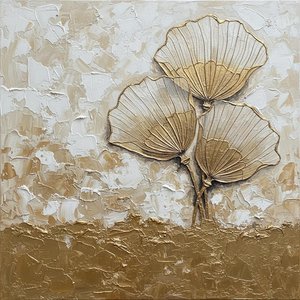
The Essence of Acrylics: Understanding Chemistry and Versatility To step into the world of acrylic painting is to embrace the medium of the modern era, a liquid polymer emulsion that offers an immediacy and flexibility unmatched by its historical pre...
To step into the world of acrylic painting is to embrace the very heartbeat of the modern era. Unlike the venerable, slow-drying traditions of oil painting that demand months of patient layering and meticulous drying times, acrylics offer an immediacy and a liquid flexibility that are unmatched by their historical predecessors. At its core, this medium is a sophisticated liquid polymer emulsion, a chemical marvel that allows for a unique spontaneity. As the water evaporates, it forms a durable, water-resistant film, capturing a moment of artistic impulse with incredible speed. This rapid evaporation creates a playground for both controlled precision and expressive, gestural freedom, allowing an artist to layer colors with a breathtaking velocity that can transform a canvas within a single session.
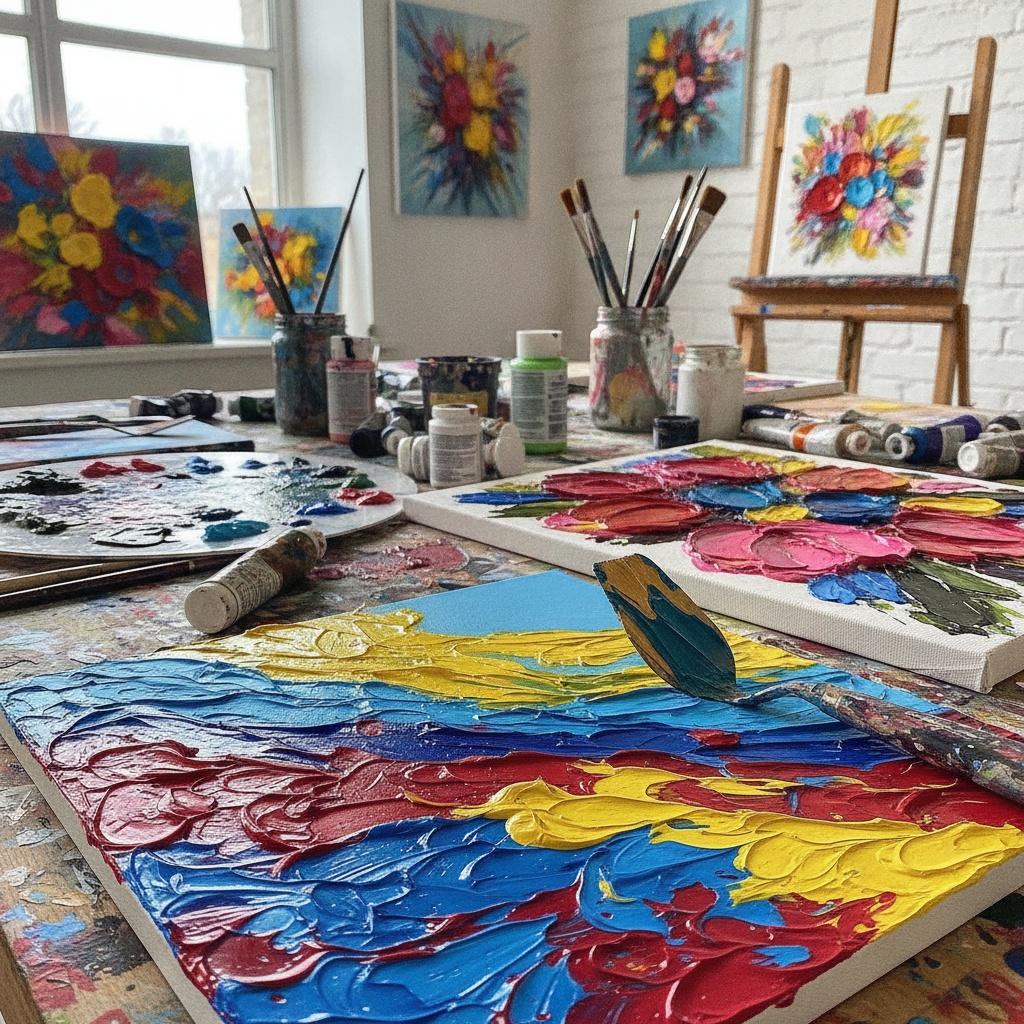
The true magic of acrylics lies in their chameleon-like ability to mimic almost any other form of painting. When thinned with water or specialized mediums, the paint behaves like a delicate watercolor, capturing soft, ethereal washes and translucent glazes that breathe light into a composition. Yet, when applied heavily, it can transform into something far more robust. This duality is what makes the medium so beloved by contemporary visionaries; it can be as whisper-light as a morning mist or as heavy and structural as stone. For the discerning collector, understanding this versatility is the first step in appreciating how an artist manipulates a responsive, plastic medium to react to every stroke, offering a landscape of possibilities that ranges from the subtle to the monumental.
Mastering Texture: From Ethereal Washes to Sculptural Impasto
 Impasto
Impasto is a technique used in painting where paint is laid on an area of the surface thickly, usually thick enough that the brush or painting-knife strokes are visible. Paint can also be mixed right on the canvas. When dry, impasto provides texture;...
Beyond the flat surface of a traditional canvas lies a realm where art becomes a tactile experience—a place where the viewer is invited not just to observe, but to feel the rhythm of the artist's hand. This is most profoundly realized through the technique of impasto. Derived from the Italian word for dough or mixture, impasto involves laying paint onto the surface so thickly that the brush or palette knife strokes remain visible, creating a three-dimensional topography. In the hands of a master, the canvas ceases to be a plane and becomes a sculptural site. We see this in the works of contemporary visionaries like David Moreau, who treats pigment as if he were sculpting, building dense, tactile universes where one can trace the valleys and ridges of heavy, organic strokes.
This mastery of texture creates a profound dialogue between light and matter. When light hits an impasto surface, it does not simply rest upon the painting; it gets lost within the layers, creating shifting shadows and luminous depths that change as you move through a room. Consider the breathtaking tension in works like
Fragmented Midnight, where heavy, impasto-style blocks of midnight navy collide with icy cerulean, creating a mosaic of rhythmic ridges. Whether it is the delicate, gravity-fed drips found in serene teal gradients or the rugged, tectonic energy of thick, raised quadrilaterals, texture provides a visceral weight to the artwork. It transforms a painting from a mere image into a living, breathing landscape of shadow and light, demanding a closer, more intimate encounter.
The Architect of Light: Exploring Color Depth and Layering Techniques
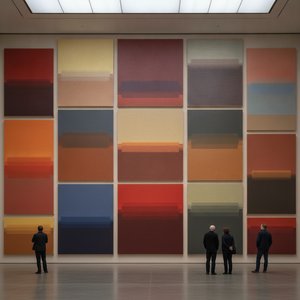
Color in acrylic painting is far more than a decorative element; it is the architect of emotion and depth. Because acrylics allow for rapid layering without the risk of muddied colors—a common struggle in oil painting—artists can build complex, luminous histories within a single work. By utilizing glazes—transparent layers of diluted paint—an artist can create a sense of internal glow, where light passes through multiple strata of pigment before reflecting back to the eye. This technique allows for the creation of profound chromatic descents, such as transitioning from ethereal, creamy whites into deep, soulful charcoals, creating a sense of movement and tranquility that feels both structured and poetic.
The interplay of opacity and transparency is where true color mastery resides. An artist might juxtapose bright, energetic hues like vibrant yellows or electric blues against darker, more somber tones to generate visual tension and dynamism. This layering process is essential for achieving the "architectural" quality seen in modern abstraction, where color is used to define space and weight. When an artist skillfully manipulates these layers, they create a sense of structural density, where certain areas of the canvas seem to pulse with internal energy while others recede into a quiet, meditative depth. For the collector, recognizing this intentionality in color layering is key to identifying works that possess true atmospheric presence.
Curating Your Collection: Identifying Quality in Contemporary Acrylic Works
 alexandra tegou
Alexandra Tegou: A Rising Star of Contemporary Acrylic Emerging from the artistic heartland of Reutlingen, Germany, Alexandra Tegou is a captivating artist quickly gaining recognition for her vibrant and dynamic acrylic paintings. While still relativ...
For the emerging or established collector, navigating the vast landscape of contemporary art requires an eye for technical excellence and material integrity. High-quality acrylic works are distinguished by their structural complexity and the visible evidence of professional craftsmanship. When evaluating a piece, look beyond the initial color palette to the "architecture" of the paint itself. Does the work possess a physical presence? Are the brushstrokes intentional, or do they feel haphazard? A true masterpiece, such as those found in our curated collections, demonstrates a confident voice and a keen eye for composition, where every ridge and trough serves the larger narrative of the piece.
Furthermore, quality is found in the durability and the "soul" of the medium. A superior acrylic painting utilizes high-grade pigments and professional-grade mediums to ensure that the colors remain vibrant and the textures remain stable over decades. In an age dominated by digital imagery, there is a profound value in seeking out works that offer a sensory rebellion—pieces that possess a physical weight and a tactile reality that cannot be replicated by a printer. Whether it is the rising star Alexandra Tegou, whose work captures movement and vulnerability through bold color, or the more somber, monumental studies of Christian Noiret, the hallmark of a collectible piece is its ability to command the space it inhabits through technical mastery and emotional resonance.
Preserving the Vision: Care and Longevity for Textured Masterpieces
 Acrylic paint
Acrylic paint is a fast-drying paint made of pigment suspended in acrylic polymer emulsion and plasticizers, silicone oils, defoamers, stabilizers, or metal soaps. Most acrylic paints are water-based, but become water-resistant when dry. Depending on...
Investing in textured acrylic art is an investment in a lasting legacy, but such works require thoughtful stewardship to ensure they remain vibrant for generations. Because impasto paintings feature raised surfaces and deep ridges, they are particularly sensitive to environmental factors. To protect the physical integrity of the paint, it is essential to avoid placing these works in direct sunlight, which can cause pigments to fade and the polymer binder to become brittle over time. Additionally, dust can settle within the valleys of heavy texture; while a gentle, soft-bristled brush can be used for cleaning, one must always approach the surface with extreme care to avoid disturbing the artist's original strokes.
To ensure long-term preservation, professional collectors often look for works finished with a protective varnish, such as Damar. This coating acts as a shield against moisture, dust, and atmospheric pollutants, while also enhancing the depth of color and the luster of the highlights. When framing or displaying your collection, consider using acid-free materials and ensuring an adequate air gap between the artwork and any glass to prevent moisture buildup. By understanding the chemistry of the medium—from the use of flexible gesso to prevent cracking to the importance of archival-quality pigments—you can ensure that the profound beauty and structural complexity of your textured masterpieces endure as a permanent part of your home's history.
At ArtsDot.com, we believe every home deserves a touch of extraordinary beauty. Whether you are looking to discover a new favorite through our color-based browsing or seeking to transform a personal memory into a hand-painted oil masterpiece, our mission is to make the art world accessible, inspiring, and deeply meaningful for every collector.


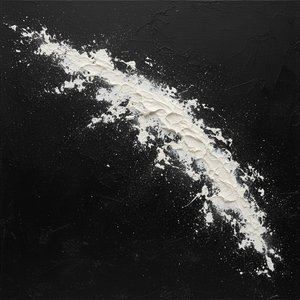
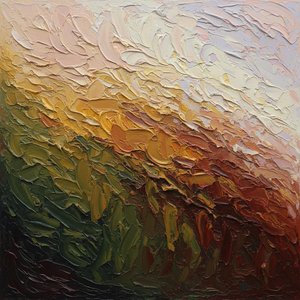

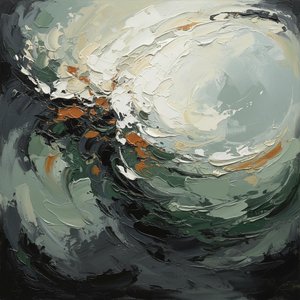

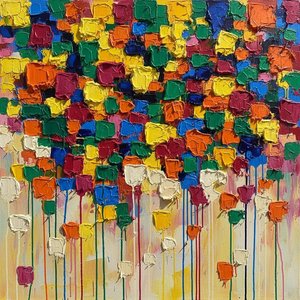 Prismatic Gravity: A Monumental Study of Impasto Texture and Chromatic Descent