The Psychology of Space: How Masterpiece Art Enhances Wellness Environments
In the delicate architecture of a wellness center, every element serves a silent purpose, working in concert to lower cortisol levels and invite a sense of profound peace. As a designer, you understand that luxury is not merely found in high-end finishes or soft lighting, but in the emotional resonance of the atmosphere you curate. Art acts as the heartbeat of this experience; it is the window through which a guest escapes the frantic pace of modern life. When we introduce museum-quality reproductions into a restorative space, we are doing more than decorating walls—we are anchoring the soul. A well-placed masterpiece provides a focal point for mindfulness, offering a visual journey that encourages deep breathing and contemplative stillness.
The profound impact of art on mental well-being lies in its ability to stimulate the parasympathetic nervous system through beauty and narrative. When a guest encounters a piece that speaks to them, their perception of time shifts, allowing the stresses of the outside world to dissolve into the background. This psychological anchoring is essential for hospitality professionals aiming to create lasting impressions. By integrating works that possess historical depth and aesthetic harmony, you transform a standard treatment room or lounge into a sanctuary of intentionality, where the very air feels heavier with tranquility and the walls themselves seem to whisper stories of timelessness.
Curating Calm: Selecting Color Palettes and Moods for Restorative Interiors
The art of curation begins with an intimate understanding of color theory and its physiological effects on the human spirit. In a wellness setting, the palette is your most potent tool for directing mood. Soft, ethereal blues and sage greens can evoke the expansive serenity of the sky and forest, reducing anxiety and promoting a sense of openness. Conversely, warmer, muted tones—such as the soft ochres or dusty roses found in Post-Impressionist works—can provide a sense of groundedness and safety, much like a warm embrace. The challenge for the designer is to harmonize these chromatic choices with the existing textures of the space, ensuring that the art does not merely sit upon the wall but emerges from the room's very essence.
To achieve this level of cohesion, one might look toward browsing by color or mood rather than strictly by artist. This approach allows for a more intuitive design process, where you can select pieces that complement your chosen upholstery, stone surfaces, or lighting schemes. For instance, a collection of works featuring soft, light-drenched palettes can brighten a dim corridor, while deeper, more tonal compositions can add a sense of intimacy to private meditation suites. The goal is to create a seamless visual flow where the color of a canvas mirrors the tranquility of the environment, guiding the guest through a continuous loop of aesthetic and emotional restoration.
From Impressionism to Modernity: Choosing Styles that Evoke Tranquility
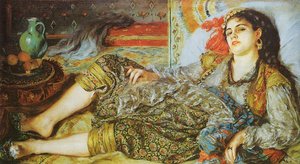
The history of art offers an infinite library of styles, each capable of evoking a unique state of being. For the wellness designer, the Impressionist movement remains one of the most evocative choices. The works of masters like Monet or Renoir, with their soft edges and emphasis on the fleeting beauty of light, possess an inherent gentleness that avoids the jarring nature of sharp lines. These paintings, characterized by visible, rhythmic brushstrokes and a luminous quality, invite the eye to wander without the pressure of intense focus, making them ideal for spaces intended for relaxation. There is a certain domestic tranquility found in works like Jean-Edouard Vuillard’s depictions of quiet moments that can beautifully mirror the privacy and peace sought in a spa setting.
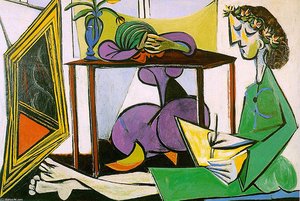
Moving beyond the Impressionists, one might explore the structured serenity of more modern movements or even the dramatic depth of the Old Masters. A carefully selected piece from the Renaissance, with its balanced compositions and classical proportions, can instill a sense of order and permanence in a space that feels otherwise transient. Alternatively, for a more contemporary wellness concept, subtle abstractions or even "remixed" historical pieces—where a modern subject is reimagative through the impasto technique of Van Gogh—can provide a sophisticated edge while maintaining a tactile, human connection. The key is to select styles that offer a sense of discovery, allowing guests to find their own meaning within the layers of paint and history.
Bespoke Integration: Custom Commissions, Murals, and Large-Scale Architectural Art
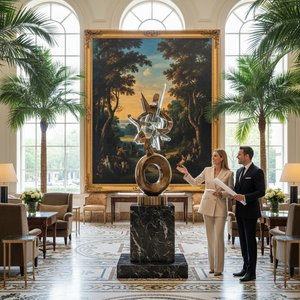
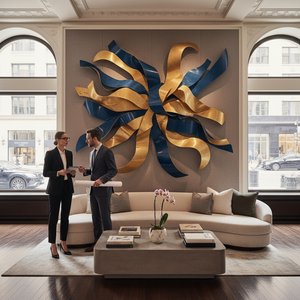
For truly landmark hospitality projects, standard-sized canvases may not suffice to capture the grandeur of the architecture. This is where the transformative power of large-format art becomes indispensable. Imagine a ceiling fresco that recreates the celestial majesty of a historical masterpiece, or a sweeping mural that wraps around a curved reception wall, pulling the entire room into a singular, immersive narrative. These large-scale works, painted on massive canvas rolls, allow designers to treat the architecture itself as a canvas, creating an environment that feels less like a building and more like a living, breathing work of art.
Beyond scale, the true luxury lies in customization. The ability to commission bespoke pieces allows you to tailor the art to the specific DNA of your wellness center. Whether it is a multi-panel installation that spans a grand staircase, ensuring colors and brushstrokes flow seamlessly across every segment, or a "period shift" where a modern photograph is transformed into a 17th-century oil painting, bespoke art offers unparalleled creative freedom. This level of integration ensures that the artwork is not an afterthought but a foundational element of the design, capable of reflecting the unique brand identity and the specific healing mission of your property.
The Designer’s Toolkit: Streamlining Sourcing with Professional Art Concierge Services
Navigating the complexities of art procurement can be daunting, especially when managing large-scale commercial budgets and timelines. This is why professional designers increasingly rely on specialized art concierge and curation services to bridge the gap between vision and reality. A dedicated service does more than just source paintings; it acts as a strategic partner in the design process, offering expert advice on color analysis, digital mockups to visualize compositions on specific walls, and even managing the intricate logistics of international shipping and customs.
For the hospitality professional, this means the ability to streamline sourcing while ensuring museum-grade quality. From selecting the right weight of cotton canvas to choosing between a textured oil reproduction or a high-fidelity Giclée print, an expert partner ensures that every piece meets the rigorous standards required for luxury environments. By utilizing professional trade programs, designers can access volume discounts, custom sizing, and white-label shipping, allowing them to focus on their primary creative mission while knowing that the technical execution of the art program is in expert hands. This collaborative approach transforms art procurement from a logistical hurdle into a seamless extension of the design process, ultimately elevating the value and prestige of the entire property.