

The Power of Simplicity: Why Modern Line Art is the Ultimate Design Essential
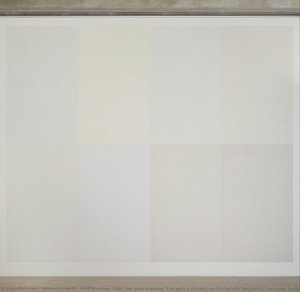 Wall drawing #338: Two part drawing. The wall is divided vertically into two parts. Each part is divided horizontally and vertically into four equal parts. 1st part: Lines in four directions, one direction in each quarter. 2nd part: Lines in four dir....
Sol LeWitt’s Wall Drawings: A Blueprint for Conceptual Minimalism The wall drawing “Wall Drawing #338” embodies the core tenets of Solomon Lewitt's groundbreaking artistic philosophy—a movement that irrevocably altered the landscape of 20th-century a...
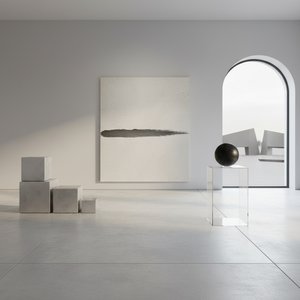
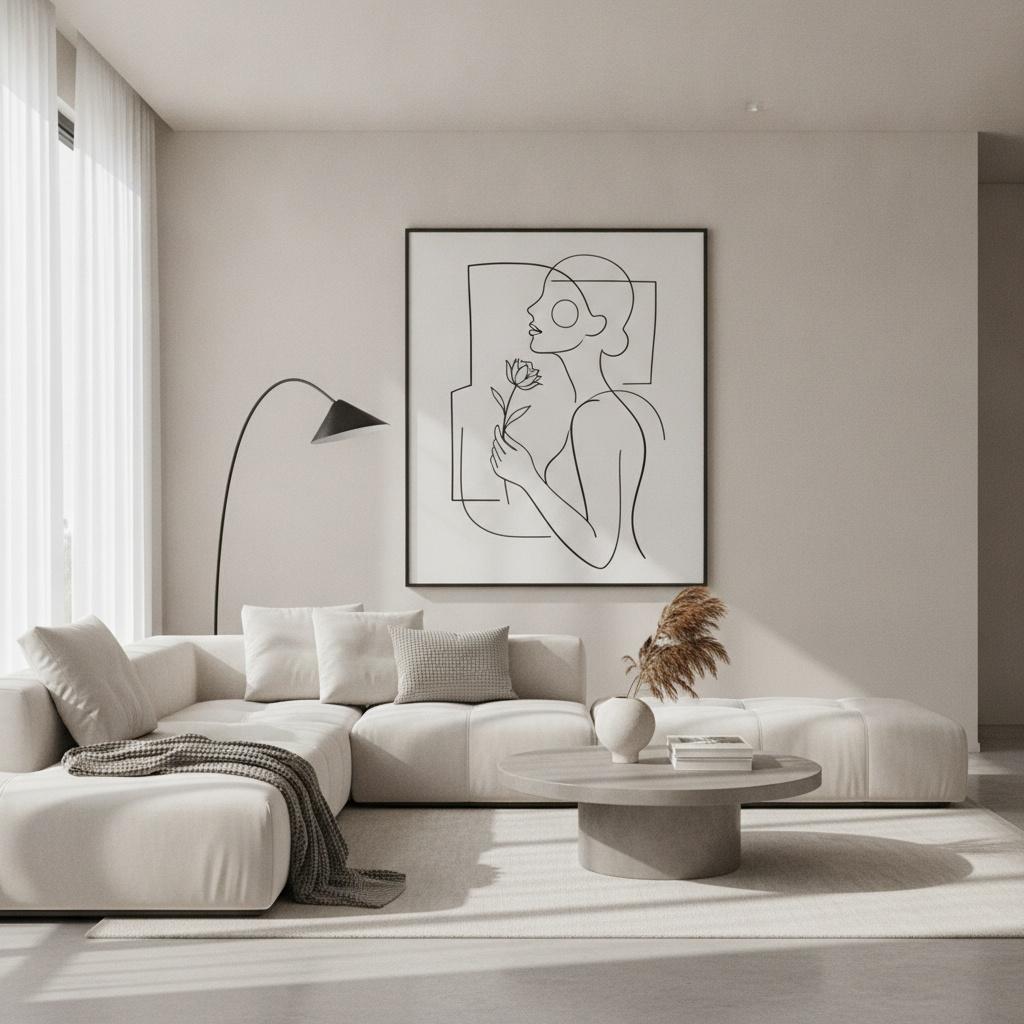
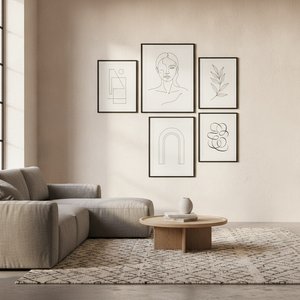
When we introduce a single, deliberate stroke onto a pristine canvas, we are doing more than decorating a wall; we are defining an atmosphere. This minimalist approach acts as a visual palate cleanser, providing a sophisticated anchor for rooms that might otherwise feel overwhelmed by pattern or furniture. For those of us working with clients who desire a sanctuary—a place of order and calm—line art serves as the perfect architectural element, offering a sense of intellectual rigor and understated luxury that transcends seasonal fads.
Mastering the Silent Language: How Line Weight and Contour Shape Room Atmosphere
 The Art of the Line: Discover Captivating Drawings to Transform Your Home with Sophisticated Minimalist Elegance
The Silent Language: Understanding the Emotional Power of Line and Contour Mastering the Line: A Comprehensive Expert Guide to Technical Precision and Expressive Depth in Drawing The Fundamentals of Line: Understanding Weight, Direction, and Contour ...
Conversely, sharp, angular lines introduce a sense of tension and architectural rigidity, perfect for establishing structure within an open-plan living space. We often look to the legacy of conceptual pioneers like Sol LeWitt, whose work demonstrated that the power of a line lies in its ability to create an immersive environment. In our practice at ArtsDot.com, we encourage decorators to consider how varying line weights can guide the eye across a wall, creating a purposeful movement that mimics the natural flow of the architecture. Whether it is the whisper-light graphite trace or the assertive, heavy ink stroke, the mastery of these elements allows you to dictate the emotional temperature of your design project with surgical precision.
From Mid-Century to Contemporary: Tailoring Line Art to Your Interior Aesthetic
 Mid-century modern
Mid-century modern (MCM) is "a style of design popular in the mid-twentieth century, characterized by clean, simple lines and lack of embellishment." The style was present throughout the world, but gained most popularity in North America, Brazil and ...
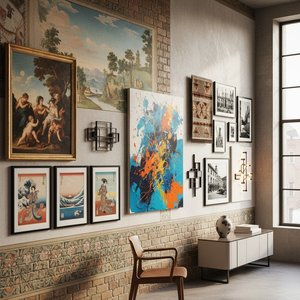
As we move into more contemporary or even industrial chic settings, line art adapts effortlessly. In spaces defined by raw textures like exposed brick or concrete, the delicate precision of a fine-line drawing offers a beautiful, sophisticated contrast. It prevents the space from feeling too heavy or unrefined. By tailoring the complexity of the artwork to the existing design language, you can create a cohesive narrative that feels both curated and effortless, ensuring that every piece of art serves as a deliberate chapter in the story of the home.
Scaling for Impact: Using Multi-Panel Sets and Large-Format Murals to Define Space
 Transforming Spaces: A Comprehensive Exploration of Wall Decor Through Art History & Contemporary Practice
The Historical Canvas: Wall Decor from Ancient Frescoes to Victorian Papers Wikipedia: Interior design Interior design is the art and science of enhancing the interior of a building to achieve a healthier and more aesthetically pleasing environment f...
For those tackling high-end hotel projects or luxury residential foyers, we also explore the realm of large-format murals and frescoes. These massive works, painted on expansive canvas rolls, allow you to recreate historical grandeur—such as a breathtaking ceiling fresco—within a modern context. This use of scale does more than fill a void; it defines the very boundaries of the room, turning a structural element into a focal point of immense artistic authority. Using these larger-scale interventions, you can manipulate the perceived volume of a space, making even the most cavernous rooms feel intimate and intentionally composed.
The Bespoke Edge: Creating Custom Line Art Masterpieces from Personal Memories
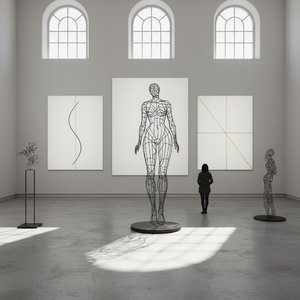
 Request a Custom Quote Today!bronze sculptureCommission a truly unique sculpture – a dynamic bronze depiction of movement and grace. This piece, inspired by dancers or performers, showcases exceptional anatomical detail and flowing lines, brought to l
Commission a stunning custom bronze sculpture of movement and grace from ArtsDot.com. Crafted with lost-wax casting and patina finish, this unique piece adds elegance to any space. Request your personalized quote today.
At ArtsDot.com, we facilitate this transformation through our Professional Digital Mockup Service, which removes the uncertainty from the commissioning process. We allow clients to see the composition and color palette before the first brushstroke ever touches the canvas. This is particularly essential for complex commissions, such as group portraits that combine individuals from different photographs. Whether you are using our AI Masterpiece Transformation tool to explore Cubist interpretations or working with a Project Coordinator to refine a custom oil painting, the goal remains the same: to create an heirloom that connects the inhabitant of the space to their most profound memories through the medium of high art.
Curating with Confidence: A Final Guide to Building a Sophisticated Art Collection
 Interior design
Interior design is the art and science of enhancing the interior of a building to achieve a healthier and more aesthetically pleasing environment for the people using the space. With a keen eye for detail and a creative flair, an interior designer is...
To ensure your selections are both aesthetically pleasing and structurally sound, utilize every resource available to you. From expert art consultations where we can digitally "place" artwork on photos of your actual walls, to professional appraisals for inherited pieces, the process should be one of confidence and joy. Remember that a well-curated space is not built overnight; it is an evolving tapestry of textures, histories, and personal connections. By focusing on quality—choosing hand-painted oils with visible brushstrokes over mass-produced prints—you ensure that your design legacy will remain vibrant and impactful for generations to come.