


The Silent Language: Understanding the Emotional Power of Line and Contour
 Mastering the Line: A Comprehensive Expert Guide to Technical Precision and Expressive Depth in Drawing
The Fundamentals of Line: Understanding Weight, Direction, and Contour The genesis of every profound masterpiece begins with a single, deliberate mark upon a void. For the aspiring artist, understanding the line is not merely about tracing edges, but...
Every profound masterpiece begins with a single, deliberate mark upon a void. To the untrained eye, a line might appear as a mere boundary, a simple trace defining where one object ends and another begins. However, for the discerning collector, a line possesses its own pulse, acting as a silent language that communicates weight, direction, and emotion long before color ever touches the canvas. There is an incredible intimacy in the way a stroke can be as light as a whisper, suggesting a fleeting shadow or a passing thought, yet equally capable of being heavy and assertive, establishing a structural boundary that anchors a room.
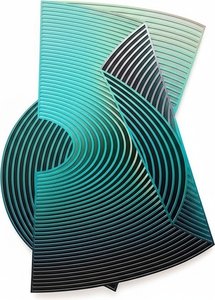
When we observe the mastery of contour, we are witnessing the artist’s ability to translate the complexity of the physical world into a simplified, elegant notation. A sweeping, curvilinear contour can evoke an organic grace and fluidity, reminiscent of the soft transitions found in classical figure studies. Conversely, sharp, angular lines introduce a sense of tension and architectural rigidity that can transform a modern living space into a gallery of structured thought. By understanding the rhythm and hierarchy created through varying line weights, we begin to see how a simple drawing can dictate the viewer's journey across a wall, guiding the eye with purposeful movement and grace.
From Graphite Whispers to Charcoal Shadows: Exploring Textures that Breathe Life into Walls
 Mastering Charcoal: The Definitive Expert Guide to Capturing Profound Depth, Texture, and Shadow
The Elemental Power of Charcoal: An Introduction to the Medium There is an almost mystical gravity to charcoal, a weight that settles upon the artist the moment the first charred mark meets the paper. To work with charcoal is to engage in one of the ...
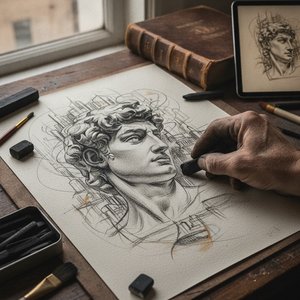
The choice of medium is much more than a technical decision; it is an emotional one. There is a certain mystical gravity found in charcoal, a weight that settles upon the soul the moment the first charred mark meets the paper. Working with charcoal is to engage in one of the most ancient and primal forms of human expression, tracing our lineage back to the soot-stained walls of prehistoric caves. It is a medium of elemental contrast, dealing fundamentally with the extremes of creation: the deep, velvety void of black against the stark, unblemated light of the page. This creates a visceral depth that can make a monochrome piece feel as rich and layered as any oil painting.
In contrast, the delicate, silvery whisper of a graphite pencil offers a different kind of magic. Graphite is a medium of nuance and precision, perfect for capturing the meticulous rendering of fine details and subtle gradients. While charcoal embraces a certain unruly freedom—easily smudged and deeply reactive to the touch—graphite allows for a controlled elegance. When these two pillars of monochromatic mastery are integrated, the result is a breathtaking interplay of value. The artist uses light and dark not merely to depict form, but to breathe life into it, creating an illusion of volume and texture that makes the artwork feel as though it is breathing within your home.
Curating with Intention: How Minimalist Drawings Anchor Modern Interior Design
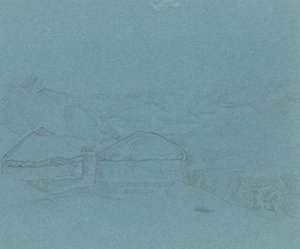 Sketch of yurts
Nicholas Roerich’s ‘Sketch of Yurts’: A Meditation on Rural Harmony This evocative monochrome sketch, tentatively titled “Sketch of Yurts,” offers a profound glimpse into the artistic soul of Nicholas Roerich – a man as deeply engaged with spiritual ...
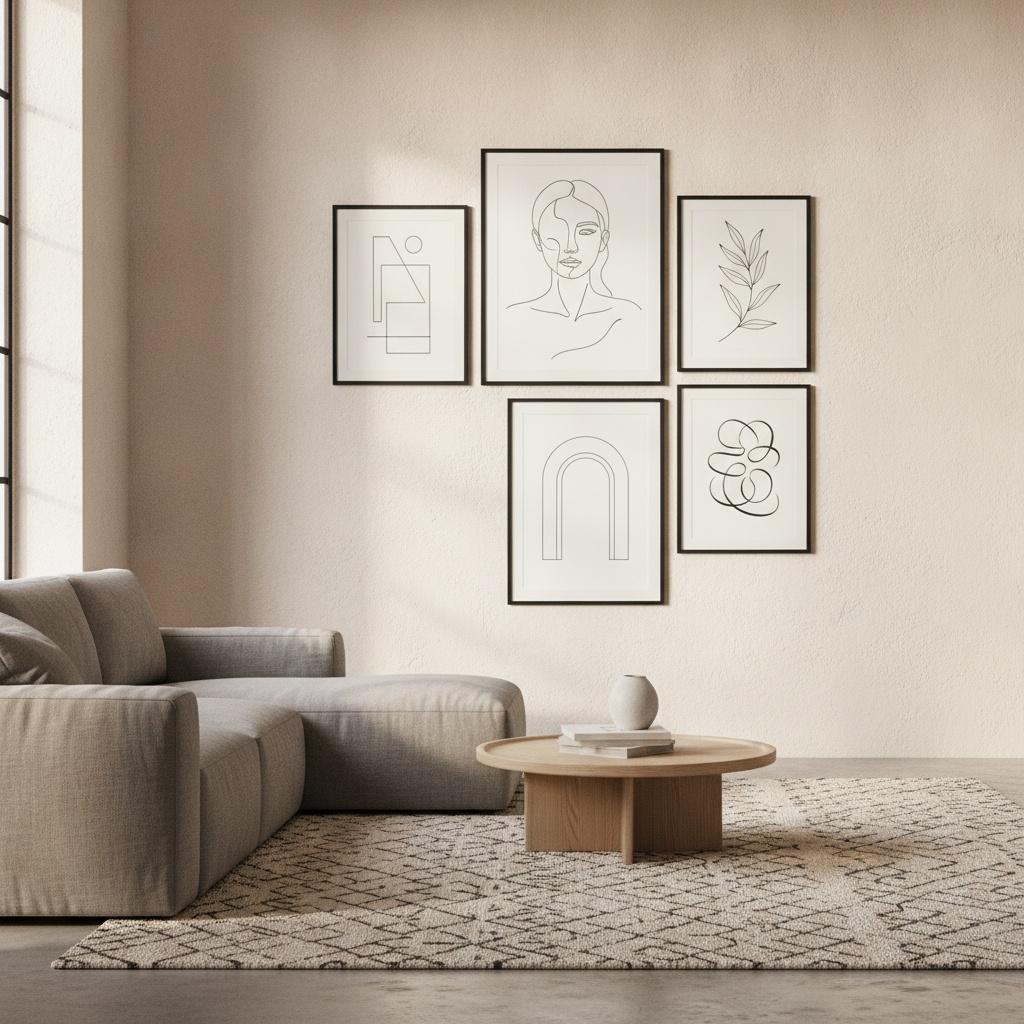
In the world of contemporary interior design, there is a growing movement toward intentionality—the idea that every object in our sanctuary should serve a purpose and evoke a specific mood. For the modern professional decorating a first home or a sophisticated collector refining a long-held estate, minimalist drawings offer a unique way to anchor a space without overwhelming it. A well-placed sketch provides a focal point that is both powerful and understated, offering a moment of quiet contemplation amidst the visual noise of modern life.
<- Creating Balance: Large-scale monochrome works can act as a structural anchor for wide walls or staircases, providing a sense of stability and groundedness.
- Color Integration: Because drawings often rely on a limited palette, they serve as the perfect neutral foundation, allowing you to experiment with bolder colors in your furniture and textiles without clashing.
- Spatial Depth: Through the clever use of perspective and receding lines, a simple drawing can suggest vastness and spatial depth, making even smaller rooms feel more expansive and airy.
By selecting pieces that resonate with the architectural lines of your room, you create a cohesive environment where art and architecture exist in a beautiful, symbiotic dialogue.
The Master’s Touch: Finding Inspiration in Historical Sketches and Contemporary Draughtsmanship
 The Eloquent Line: Exploring the Artistic Significance of Sketches Across Movements and Media
Introduction: The Humble Sketch – A Foundation of Artistic Vision The sketch, often perceived as a preliminary step—a fleeting thought captured on paper before the ‘real’ work begins—holds a far more significant place in the history of art than is co...
To collect art is to participate in a grand historical conversation. When we look at the preparatory studies of the Renaissance, such as the anatomical explorations of Leonardo da Vinci or the vibrant records of thought by Federico Fiori Barocci, we are seeing the very heartbeat of artistic vision. These sketches were never merely preliminary steps; they were vital forms of exploration, direct conduits to the artist's evolving mind. There is an electrifying vitality in a sketch that captures the raw energy of a moment before it is codified by color or polished by final layers of pigment.
This legacy of excellence continues through contemporary masters like Robbie Cornelissen, whose monumental drawings explore profound themes of solitude and memory through meticulous observation. Whether it is the evocative, meditative landscapes of Nicholas Roerich or the intricate, architectonic spaces of modern draughtsmen, the lineage of the line remains unbroken. As a collector, finding pieces that bridge this gap between historical reverence and contemporary relevance allows you to build a collection that feels both timeless and deeply personal.
Personalizing Your Space: Transforming Memories through Custom Line-Based Commissions
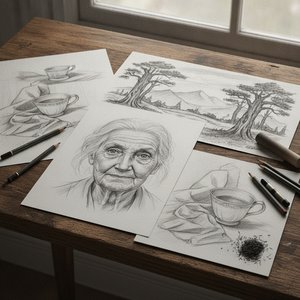 The Timeless Beauty of Pencil Sketches: Mastering the Art of Line, Shadow, and Tonal Depth
The Essence of the Line: The Foundational Language of Graphite and Charcoal In the quiet sanctity of the artist's studio, before the grand drama of oil and pigment takes hold, there exists a more primal form of communication: the line. To the discern...
Perhaps the most profound way to transform a home is by turning your own milestones into masterpieces. At ArtsDot.com, we believe that art should be as unique as the lives it celebrates. The beauty of line-based art lies in its ability to capture the essence of a subject without the need for distracting ornamentation. Imagine a custom portrait where the soft, charcoal contours of a loved one’s profile or the delicate graphite lines of a cherished pet are rendered with academic precision.
Our bespoke services allow you to "remix" history and memory. Through our professional digital mockup service, you can see how a custom commission will look on your specific wall before the first stroke is even made. We can even transform personal photographs into various styles—from the precise elegance of a classical sketch to the expressive, textured impasto of a modern oil painting. Whether it is a wedding commission that captures the tender connection between two figures or a restoration of an old family photo, these custom works become more than just decor; they become lasting legacies, etched in the beautiful, enduring language of the line.